
Loading, please wait...
LOT 0464
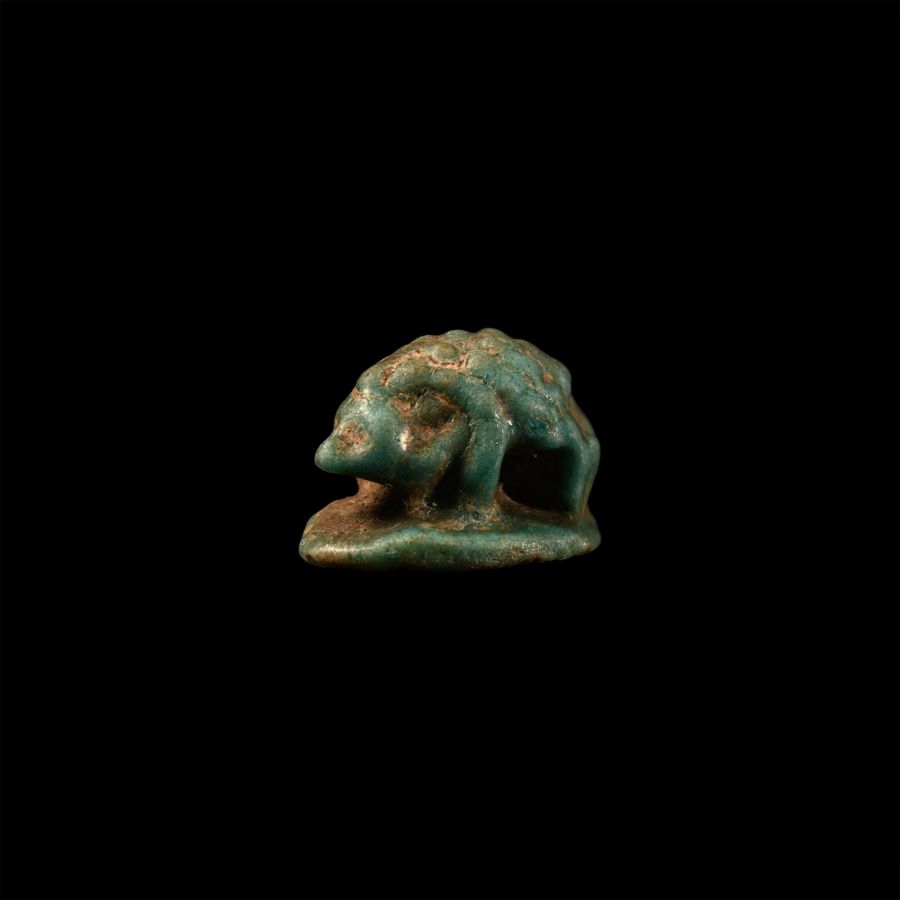
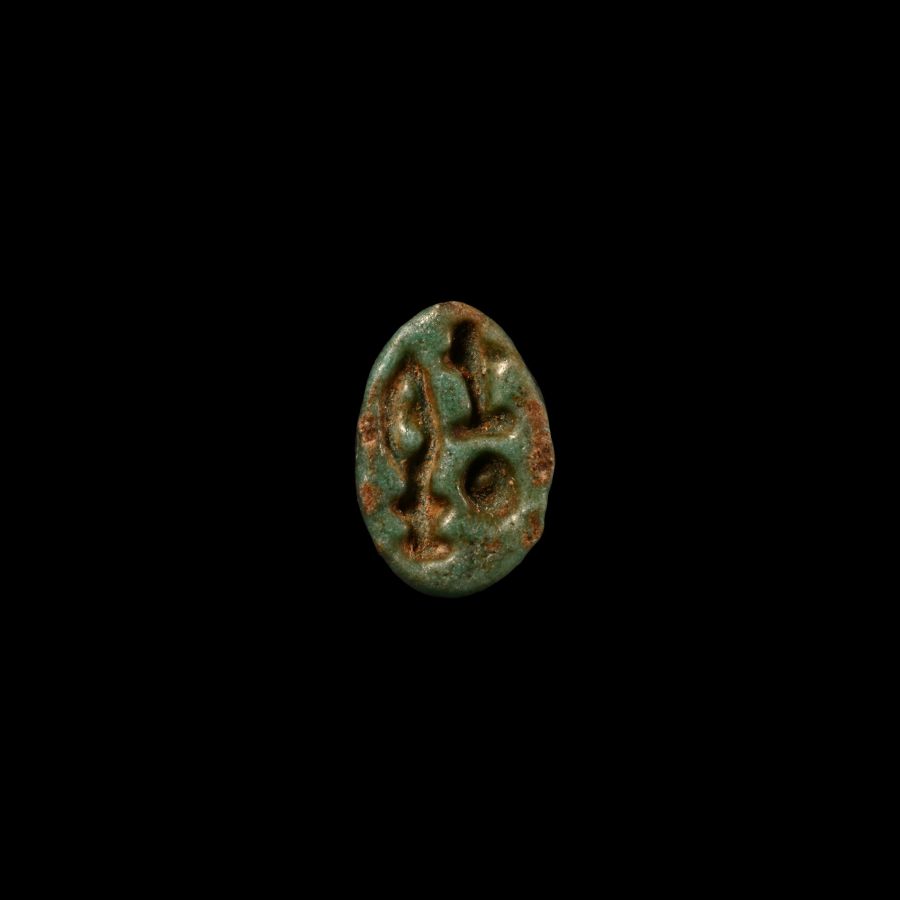
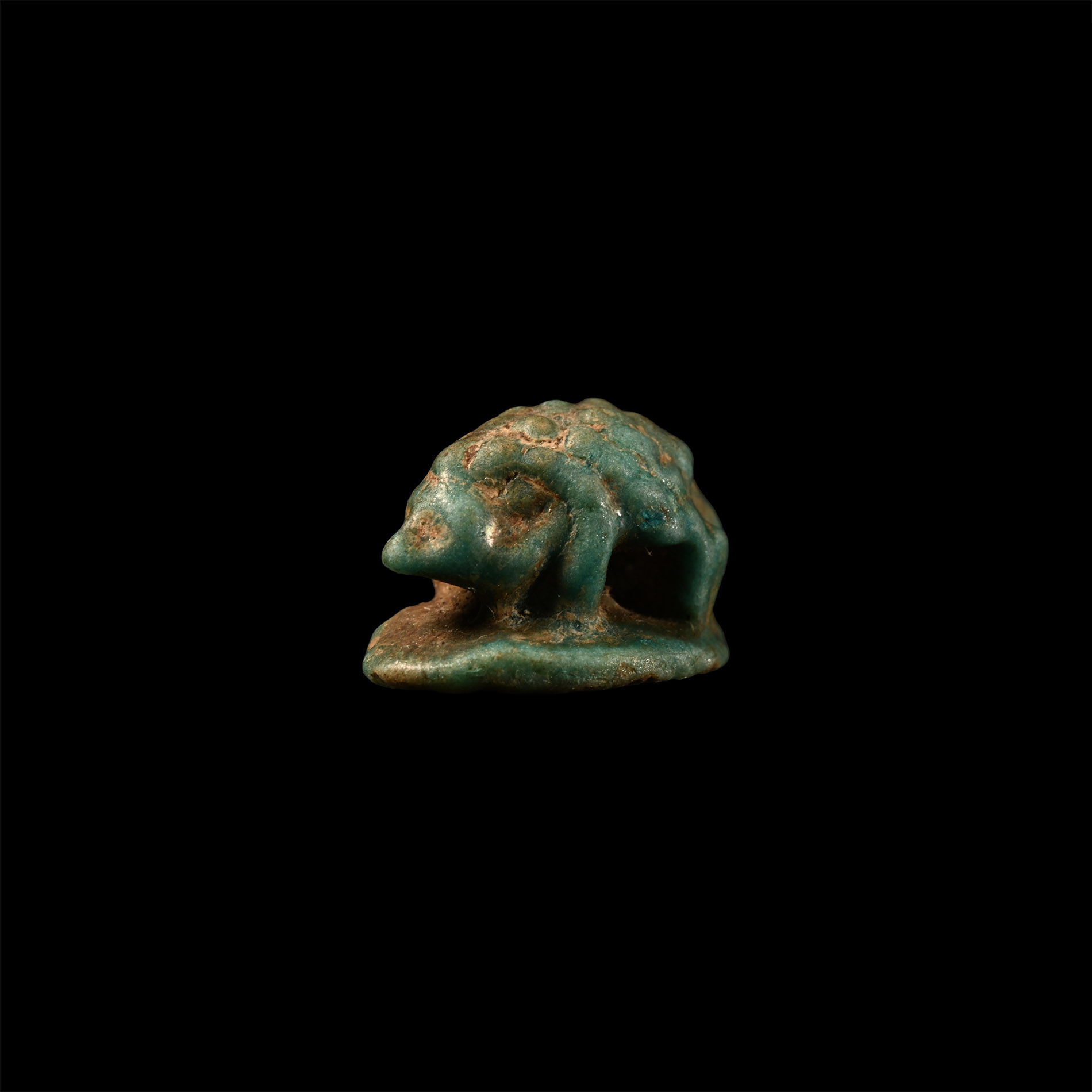
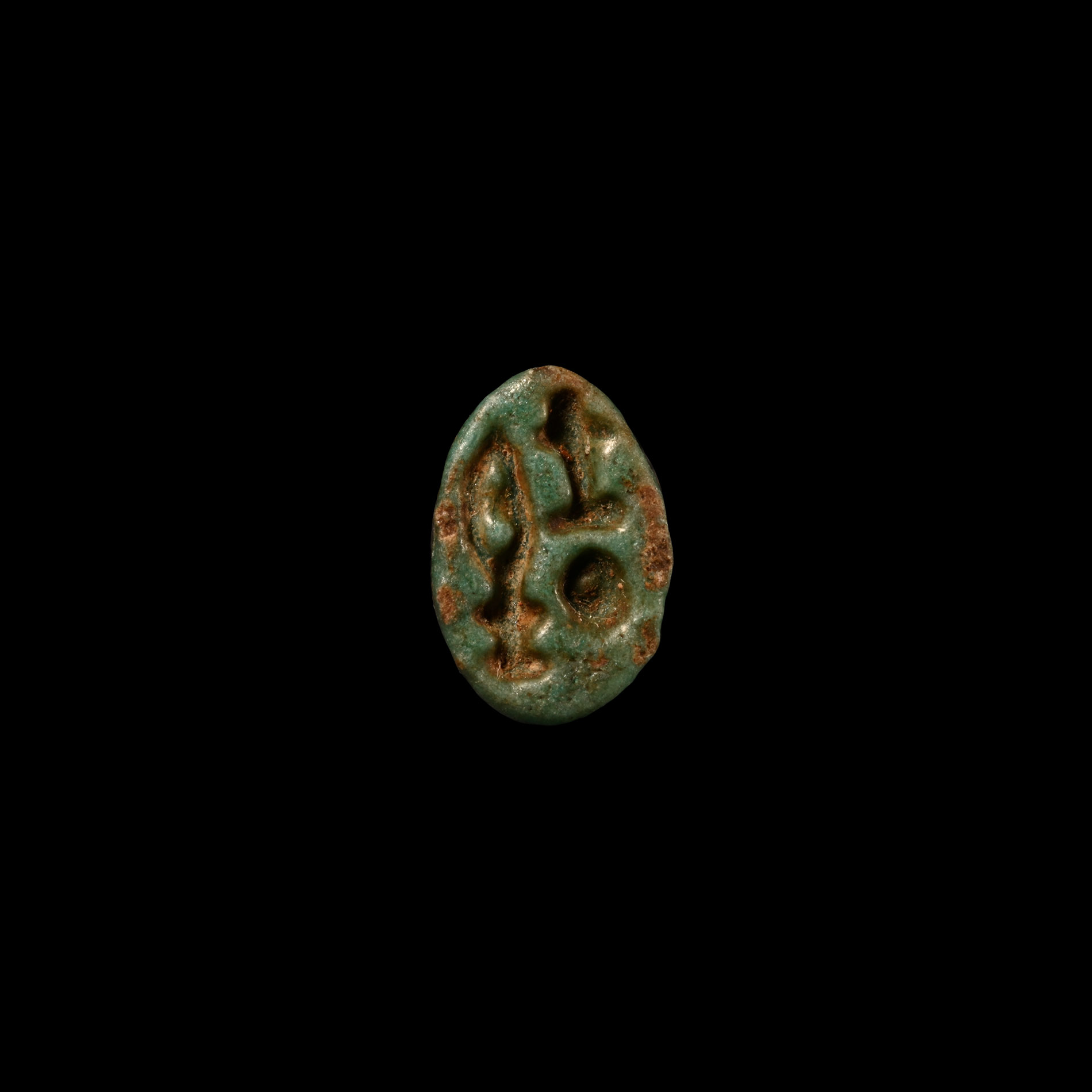
Egyptian Blue Faience Hedgehog Amulet with Hieroglyphs
LATE PERIOD, 664-323 B.C.
1/2 in. (0.65 grams, 12 mm).
Modelled standing on an ovoid base with stylised anatomical detailing; hieroglyphs to base. [No Reserve]
ProvenanceFrom an early 20th century collection, Carnavon, North Wales, UK.
CONDITIONTimeLine Auctions follows a vetting process to ensure the authenticity and legality of all items, reinforcing our commitment to integrity and responsible trading. Each antiquity, antique, and coin lot undergoes thorough examination by a vetting committee of at least ten external specialists, professional trade association members, scientists, and archaeologists: Our Vetting Process
AUCTIONS:
TimeLine is a leading auction house specialising in antiquities, ancient art, collectables, natural history, coins, medals, and books. Our auctions offer museums, collectors, historians, and enthusiasts the opportunity to acquire unique and historically significant pieces.
-
Egyptian Steatite Scarab
Late Period, 664-332 B.C.Sold for (Inc. bp): £208
Displaying semi-naturalistic detailing and hieroglyphs to the base with cartouche of Tuthmoses III; pierced for suspension. 1.54 grams, 16 mm
Collected since the 1970s. Ex Everitt collection, acquired by descent 2017. -
Egyptian Faience Djed Pillar Amulet
Late Period, 664-323 B.C.Sold for (Inc. bp): £91
Decorated with a brown glaze; pierced pillar to reverse for suspension. 3.52 grams, 36 mm
From an early 20th century collection, Carnavon, North Wales, UK.
Associated with the god Osiris. -
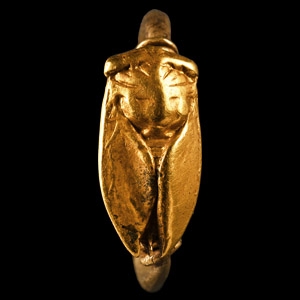
Egyptian Gold Ring with Fly
Late Period, 664-332 B.C.Sold for (Inc. bp): £3,120
The round-section hoop tapering towards the bezel where the arms overlap and form coil sleeves around the opposite shoulder, gold fly attached to the bezel with two mounting loops, with simple detailing to the upper body, possibly incorporating a human face; possibly a marriage. 5.28 grams, 27.27 mm overall, 19.10 mm internal diameter (approximate size British S 1/2, USA 9 1/4, Europe 20.63, Japan 19)
Acquired in the late 1980s-early 1990s. This lot has been checked against the Interpol Database of stolen works of art and is accompanied by search certificate number no.11847-204562.
The gold fly was an emblem of valour.
