
Loading, please wait...


LOT 0431
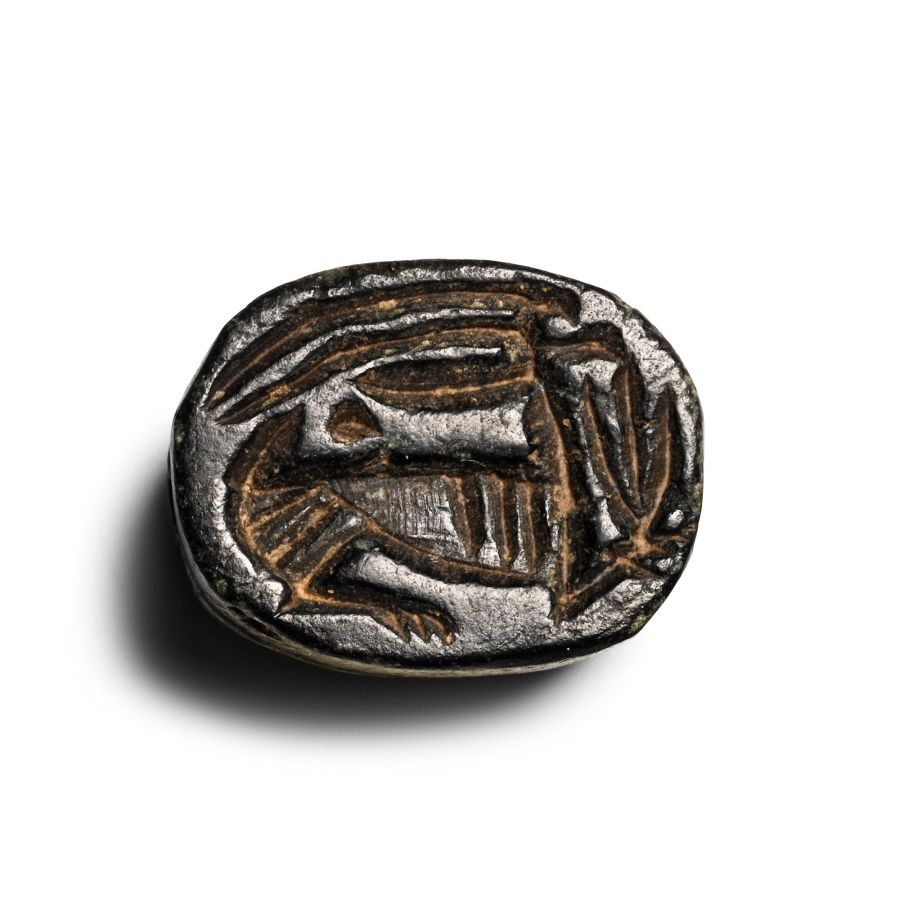
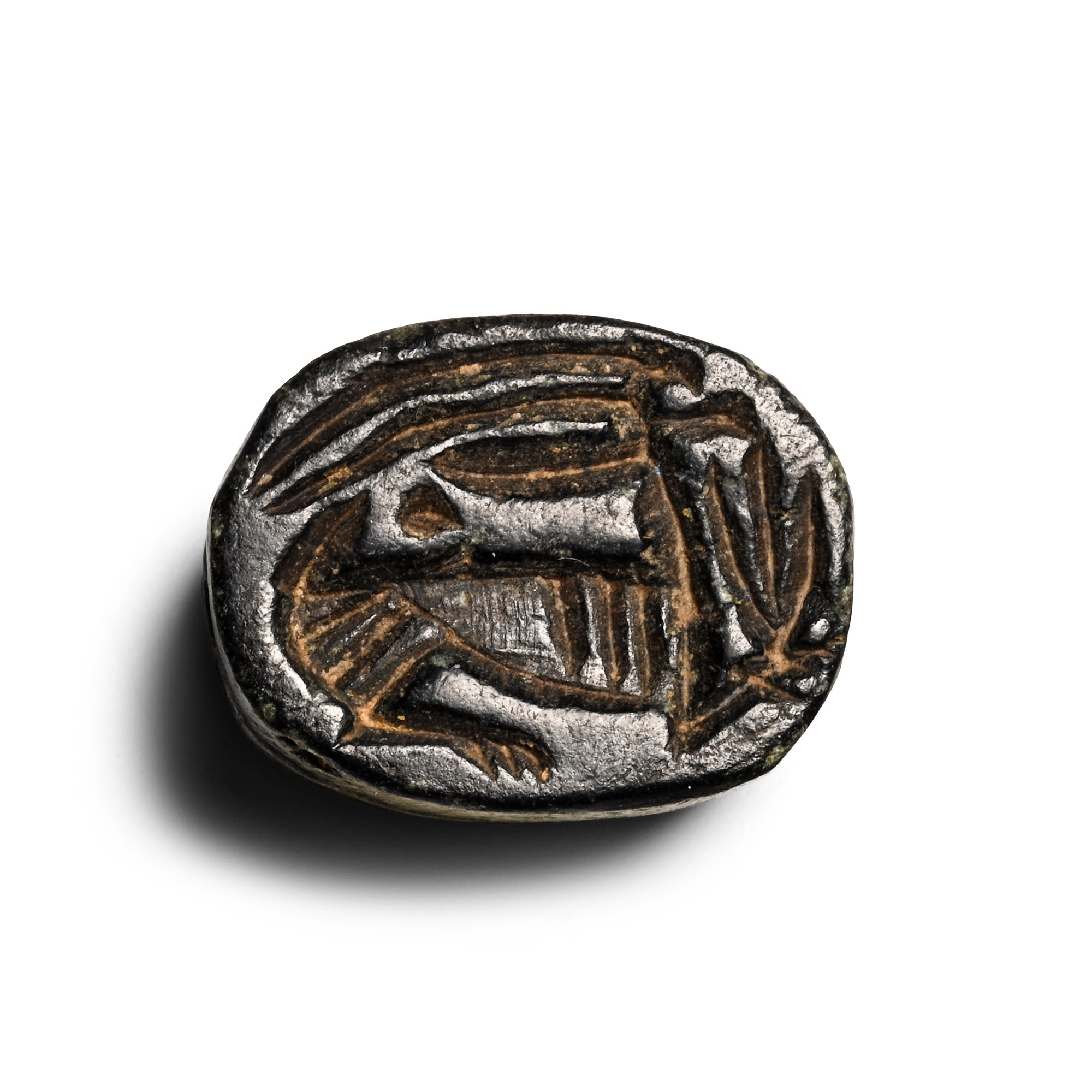
Egyptian Black Stone Scarab
LATE PERIOD, 664-332 B.C.
5/8 in. (3.05 grams, 16 mm).
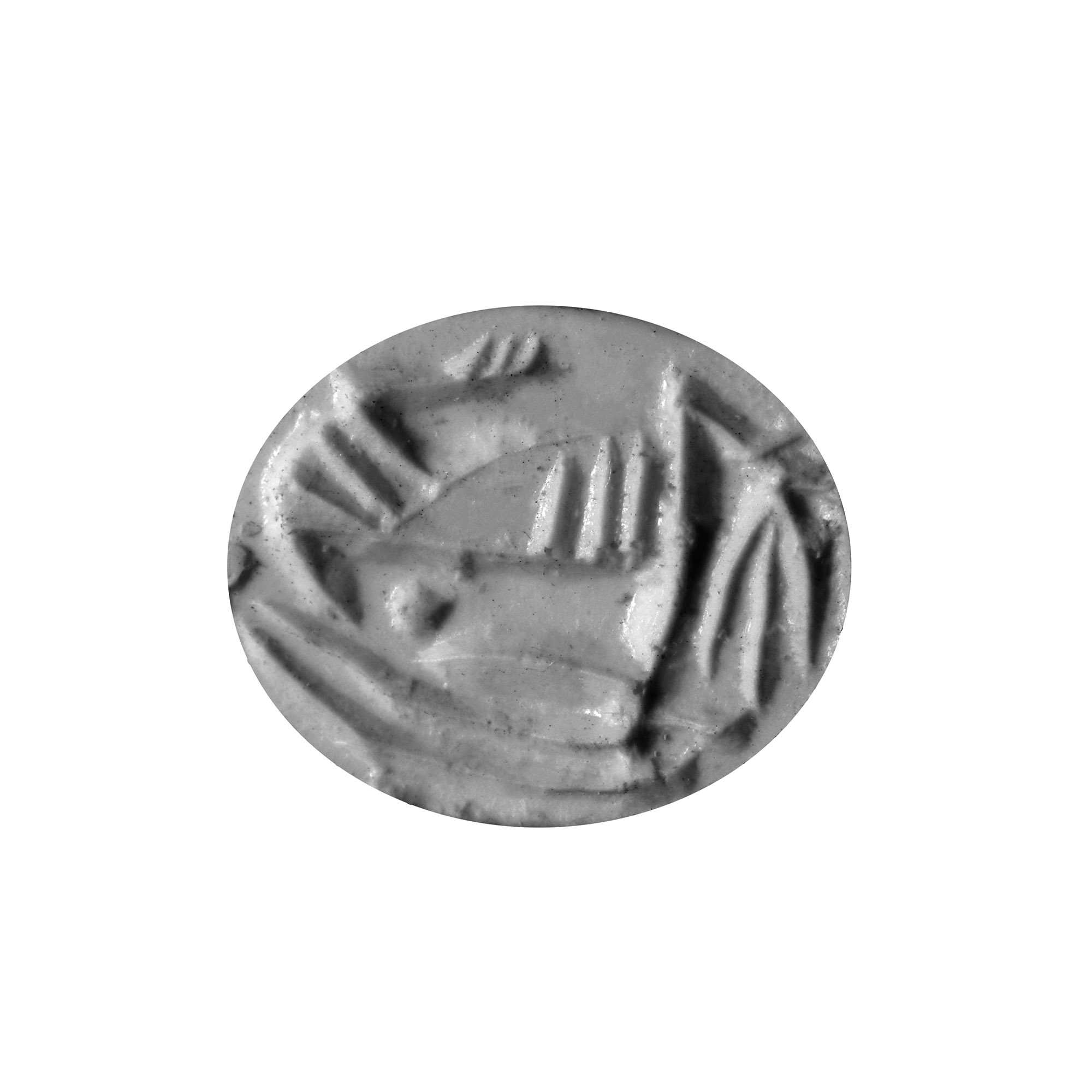
Lightly incised detailing to the carapace, underside with a crouching ibex in profile; supplied with a museum-quality impression. [No Reserve]
ProvenanceFrom the private collection of a European gentleman (1942-2024), formed since the 1970s.
CONDITIONTimeLine Auctions follows a vetting process to ensure the authenticity and legality of all items, reinforcing our commitment to integrity and responsible trading. Each antiquity, antique, and coin lot undergoes thorough examination by a vetting committee of at least ten external specialists, professional trade association members, scientists, and archaeologists: Our Vetting Process
AUCTIONS:
TimeLine is a leading auction house specialising in antiquities, ancient art, collectables, natural history, coins, medals, and books. Our auctions offer museums, collectors, historians, and enthusiasts the opportunity to acquire unique and historically significant pieces.
-
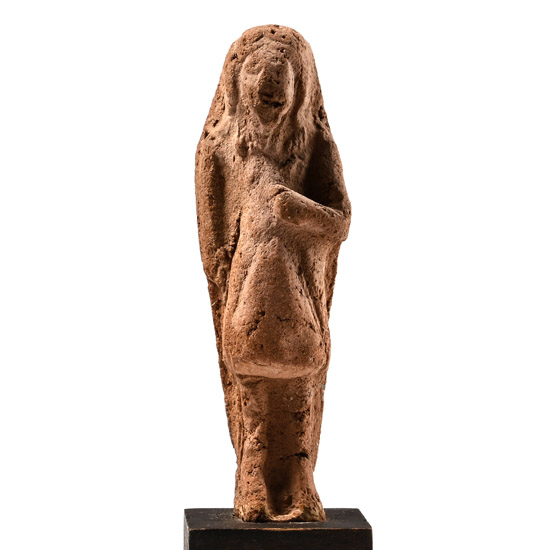
Egyptian Clay Overseer Shabti
Late Ramesside Period-early Third Intermediate Period, circa 1200-945 B.C.Sold for (Inc. bp): £208
A mould-made figurine depicting a figure wearing a duplex wig and the projecting apron of an overseer shabti, with defined legs and feet below; the right arm by the side and the left bent across the chest; mounted on a custom-made stand. 44 grams total, 10 cm including stand
From the collection of David Donlan (1947-2025), a dedicated and lifelong collector with a passion for the ancient world and the natural sciences, forming his collection from 1960s onwards, using many reputable dealers across the United Kingdom, including the well-regarded Coincraft and The Parthenon Gallery.
Shabtis in daily life dress appeared in the late 18th Dynasty. By the late Ramesside Period, the general form had developed into the so-called “reis” or overseer figure, often depicted holding a whip. This form gained popularity during the subsequent 21st and 22nd Dynasties. Although this shabti lacks a whip, the bent arm is characteristic of those holding such a tool, suggesting that it belongs to the “reis” type. Ideally, there was one overseer shabti for every ten, typically mummiform, “worker” shabtis. -
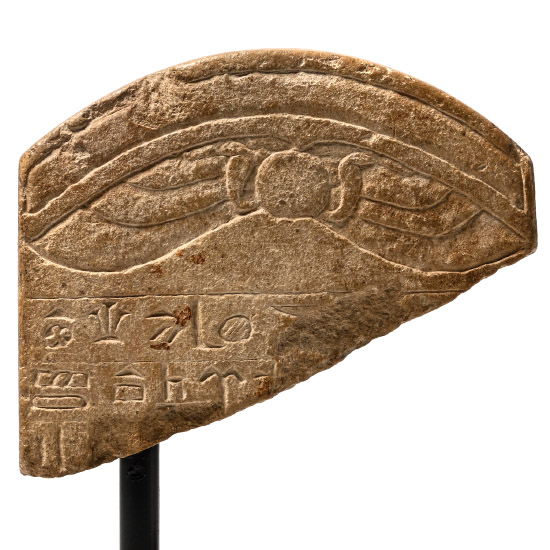
Egyptian Bifacial Magical Stela with Bes
Ptolemaic Period, circa 280-180 B.CSold for (Inc. bp): £4,160
Upper portion of an arch-top limestone stele fragment with two dressed faces; the obverse lunette features a winged sun disc flanked by uraei and two partial rows of incised pseudo-hieroglyphs below; the reverse displays the head of the god Bes in high relief, with traces of the head of the young Horus immediately below, who would have been depicted grasping the two partially preserved snakes and a scorpion carved in raised relief to the right; mounted on a custom-made display stand. 450 grams total, 11.6 cm high including stand
Frossart Collection, France, by the 19th century. Private collection, London, UK.
Although fragmentary, this stela is easily recognisable as a Horus cippus or magical stela. They were used to heal ailments caused by snake or scorpion venom. Ancient Egyptians believed that water poured over these cippi would turn into a healing liquid that the afflicted could drink or apply to their bodies. -
.jpg)
Egyptian Black Steatite Eye of Horus Amulet
Late Period, 664-332 B.C.Sold for (Inc. bp): £819
Carved unifacial amulet with hatched eyebrow and ribbed suspension loop. 1.45 grams, 19 mm
From a 20th century UK collection.
The wedjat-eye amulet is a representation of the healed eye of the god Horus, featuring both human and falcon elements. The name Wedjat in ancient Egyptian means ‘the one that is sound.’ According to Egyptian mythology, Horus' eye was wounded or taken by the god Seth and restored by Thoth. The wedjat-eye amulet was thought to protect its wearer and bestow the power of recovery and regeneration onto them. It was very popular and used by both the living and the dead.
