
Loading, please wait...
LOT 0487
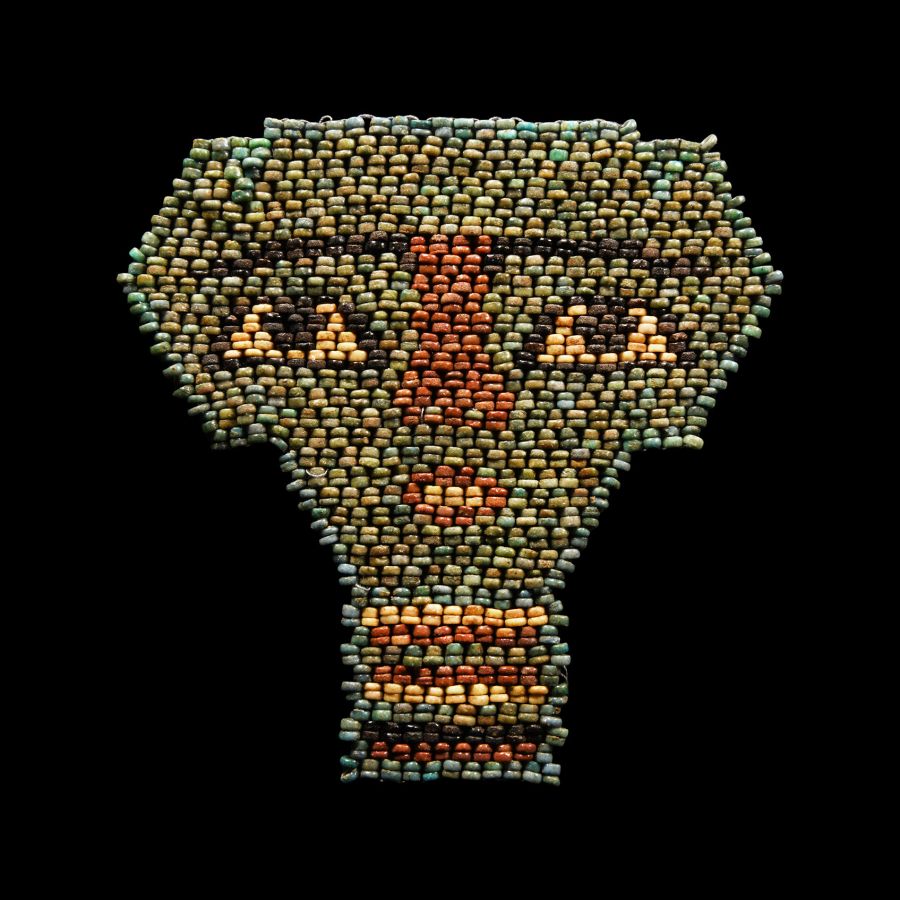
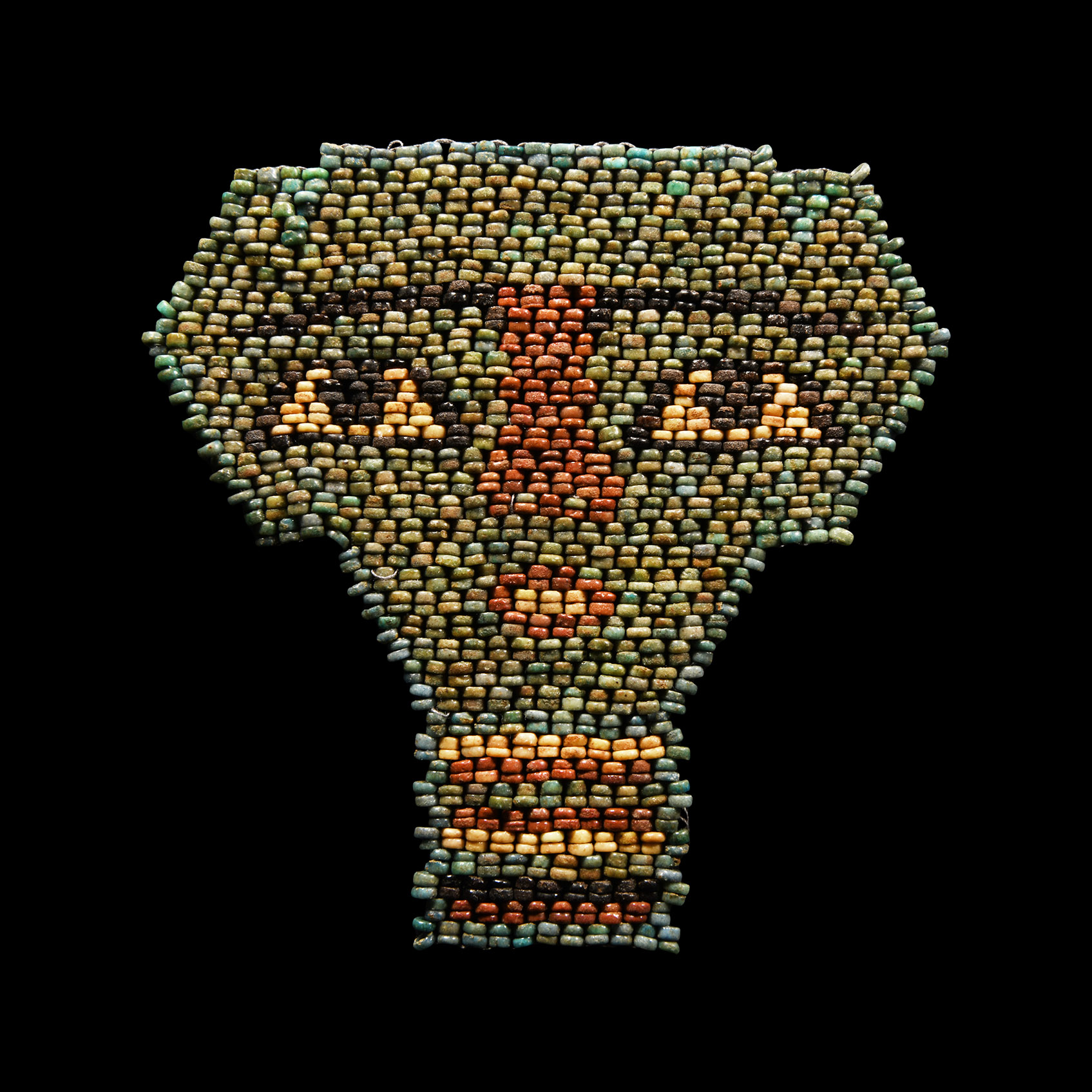
Egyptian Beaded Mummy Mask
PTOLEMAIC PERIOD, 332-30 B.C.
4 1/8 in. (25.99 grams, 10.5 cm).
Comprising a restrung panel of small glazed composition beads in various colours representing a mummy face mask with false beard.
ProvenanceAcquired 1990s.
Ex Mariaud des Serres, Paris, France.
TimeLine Auctions follows a vetting process to ensure the authenticity and legality of all items, reinforcing our commitment to integrity and responsible trading. Each antiquity, antique, and coin lot undergoes thorough examination by a vetting committee of at least ten external specialists, professional trade association members, scientists, and archaeologists: Our Vetting Process
AUCTIONS:
TimeLine is a leading auction house specialising in antiquities, ancient art, collectables, natural history, coins, medals, and books. Our auctions offer museums, collectors, historians, and enthusiasts the opportunity to acquire unique and historically significant pieces.
-
.jpg)
Egyptian Multi-Stranded Faience Mummy Bead Necklace
Late Period, 664-525 B.C.Sold for (Inc. bp): £117
Composed of polychrome beads of mainly tubular and annular types; modern clasp. 31 grams, 72 cm long
Acquired before 1979. From the private collection of Mr F. A., South Kensington, London, UK; thence by descent 2014. -
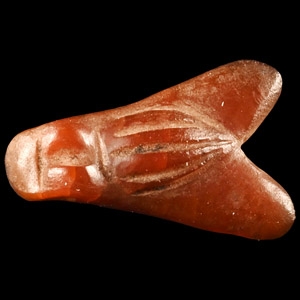
Egyptian Carnelian Fly Amulet
Late Period, 664-332 B.C.Sold for (Inc. bp): £156
Carved with simple body and eye detailing and polished; drilled through the eyes for suspension. 0.56 grams, 14 mm
Ex early 20th century Home Counties, UK, collection. -
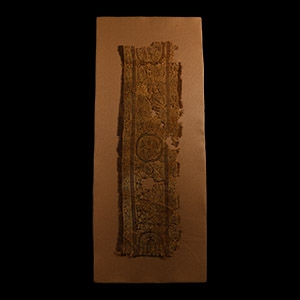
Egyptian Mounted Coptic Textile with Running Hounds
Circa 6th-7th century A.D.Sold for (Inc. bp): £104
Comprising a large fragment with a vertical band (clavus) from a garment, woven in linen and green, blue, yellow and red wool, embroidered with circular patterns filled with vegetal figures and arabesques, alternating with two parallel rows of running animals (hounds?), edged by a red border, a further band of foliage decoration. 163 grams, 59 x 24.5 cm
Acquired 1970s-1996. Property of a North American collector. London collection, 2016.
Tapestry technique on natural linen. It is highly probable that this tapestry was part of a long decorated tunic, a clavus running vertically on the breast and on the back of it, and having a parallel clavus on the other side. Tunic decoration conformed to a specific layout with the back mirroring the front. Matching bands called clavi ran on either side of the neck. They could be full length, like our specimen, or stop above the waistline.
