
Loading, please wait...
LOT 0429
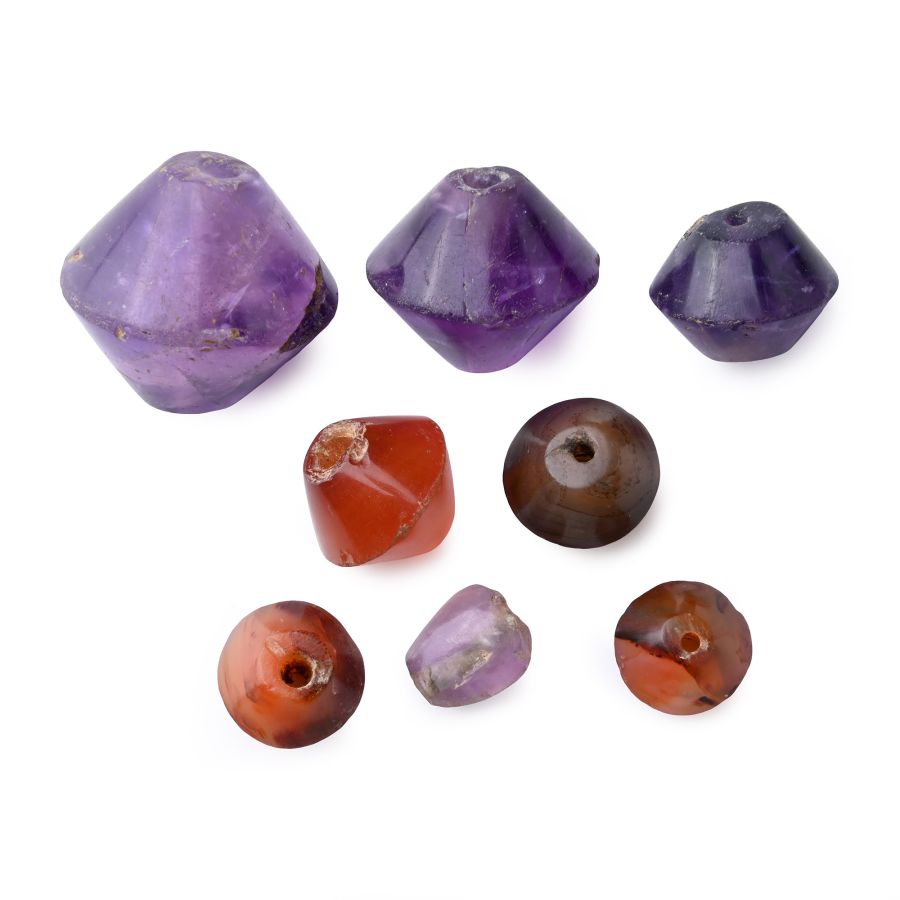
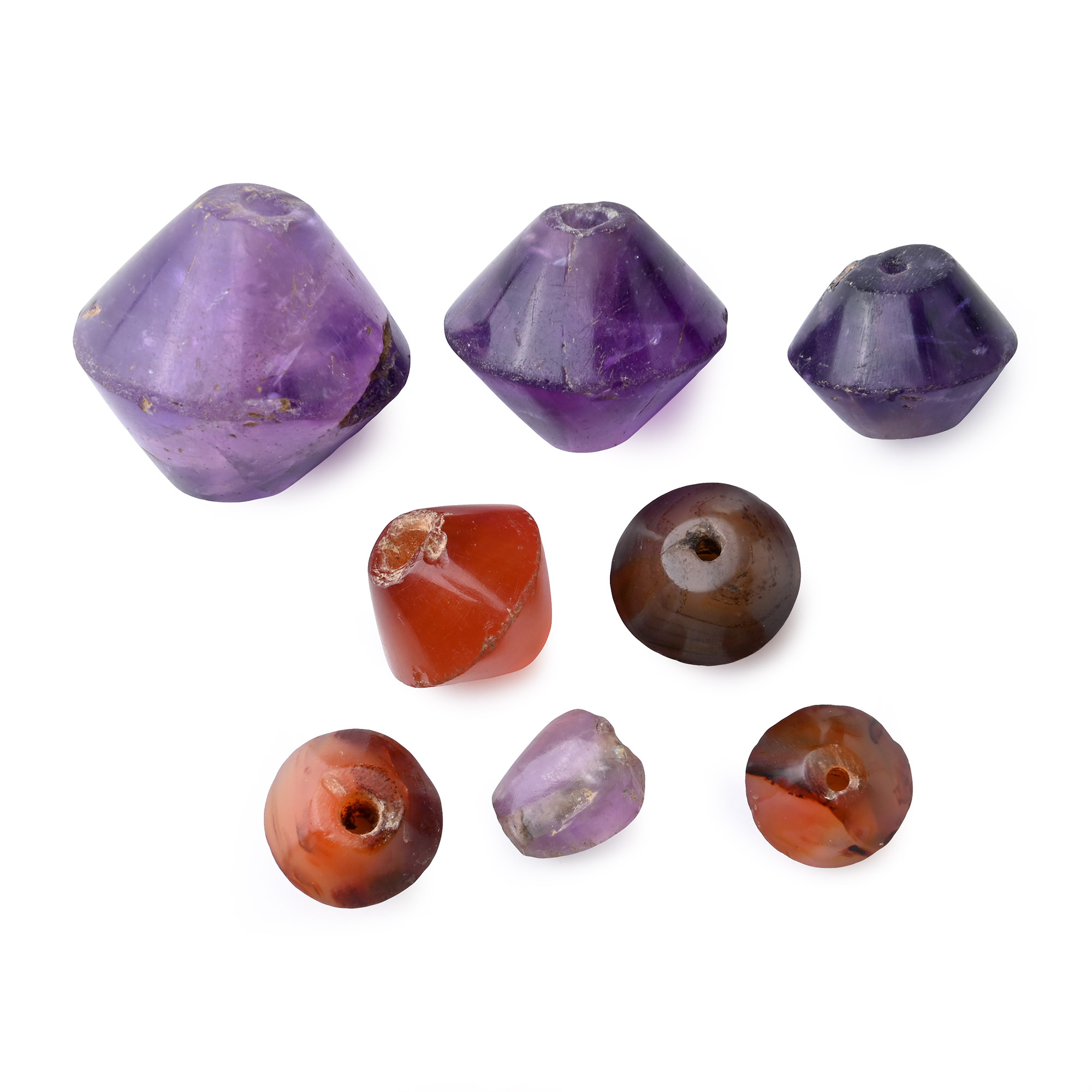
Egyptian Amethyst and Carnelian Bead Group
NEW KINGDOM, 18TH DYNASTY, CIRCA 1550-1292 B.C.
1/4 - 5/8 in. (13.57 grams total, 7.40-16.99 mm).
Comprising three biconical amethyst beads, four biconical carnelian beads and one teardrop-shaped amethyst bead. [8, No Reserve]
ProvenanceFrom the private collection of a European gentleman (1942-2024), formed since the 1970s.
CONDITIONTimeLine Auctions follows a vetting process to ensure the authenticity and legality of all items, reinforcing our commitment to integrity and responsible trading. Each antiquity, antique, and coin lot undergoes thorough examination by a vetting committee of at least ten external specialists, professional trade association members, scientists, and archaeologists: Our Vetting Process
AUCTIONS:
TimeLine is a leading auction house specialising in antiquities, ancient art, collectables, natural history, coins, medals, and books. Our auctions offer museums, collectors, historians, and enthusiasts the opportunity to acquire unique and historically significant pieces.
-
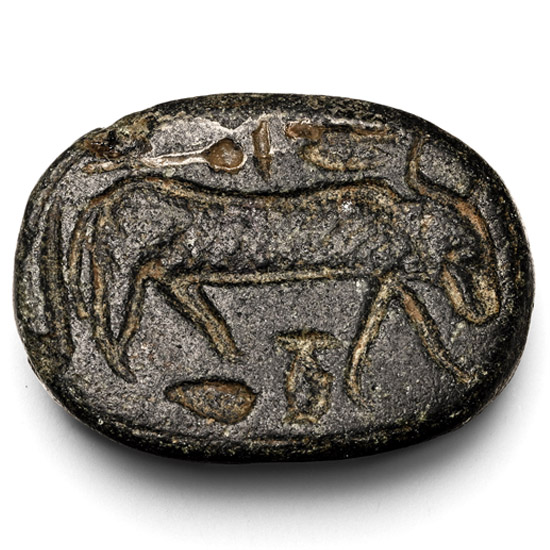
Egyptian Steatite Bifacial Scaraboid with Face and Bull
Late Period, 664-332 B.C.Estimate: £180 - 240 (+bp*)
Opening Bid: £90
Modelled as a domed face of Hathor with small cow-ears and a wig with coiled lappet ends, and an advancing cow on the underside. 10.18 grams, 32 mm
From the collection of a gentleman, acquired on the London art market in the 1990s. -
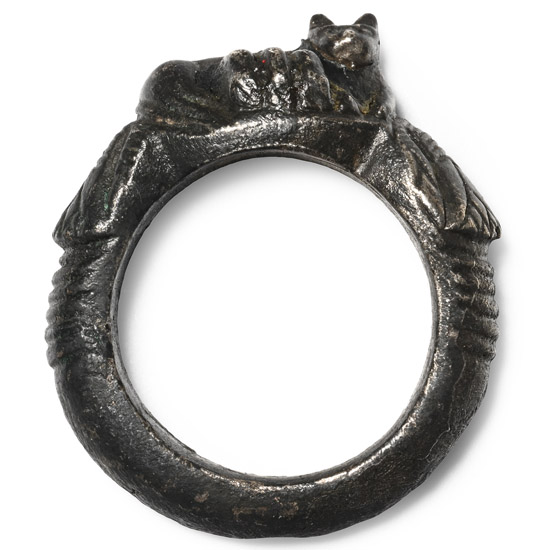
Romano-Egyptian Silver Ring with Cat and Kittens
Roman Period, 30 B.C.-323 AD.Sold for (Inc. bp): £468
D-section hoop with ribbed shoulder, papyrus-stem detailing and reclining cat with suckling kittens. 14.92 grams, 28.49 mm overall, 17.35 mm internal diameter (approximate size British M1/2, USA 6 1/4, Europe 13.09, Japan 12)
Ex Essex, UK, gentleman's collection, 1990s. -
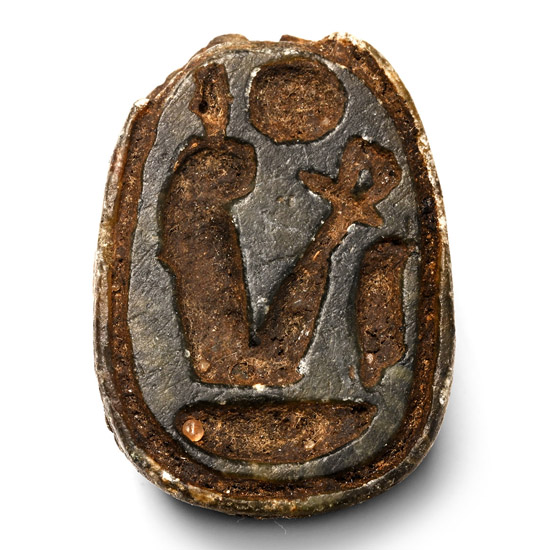
Egyptian Faience Scarab of Amenhotep III
Late Period-Ptolemaic Period, circa 664-30 B.C.Sold for (Inc. bp): £169
Detailed body and legs, underside with a cartouche of Amenhotep III containing his throne name Nebmaatre. 6.4 grams, 22 mm
From the collection of a gentleman, acquired on the London art market in the 1990s.
