
Loading, please wait...
LOT 0015
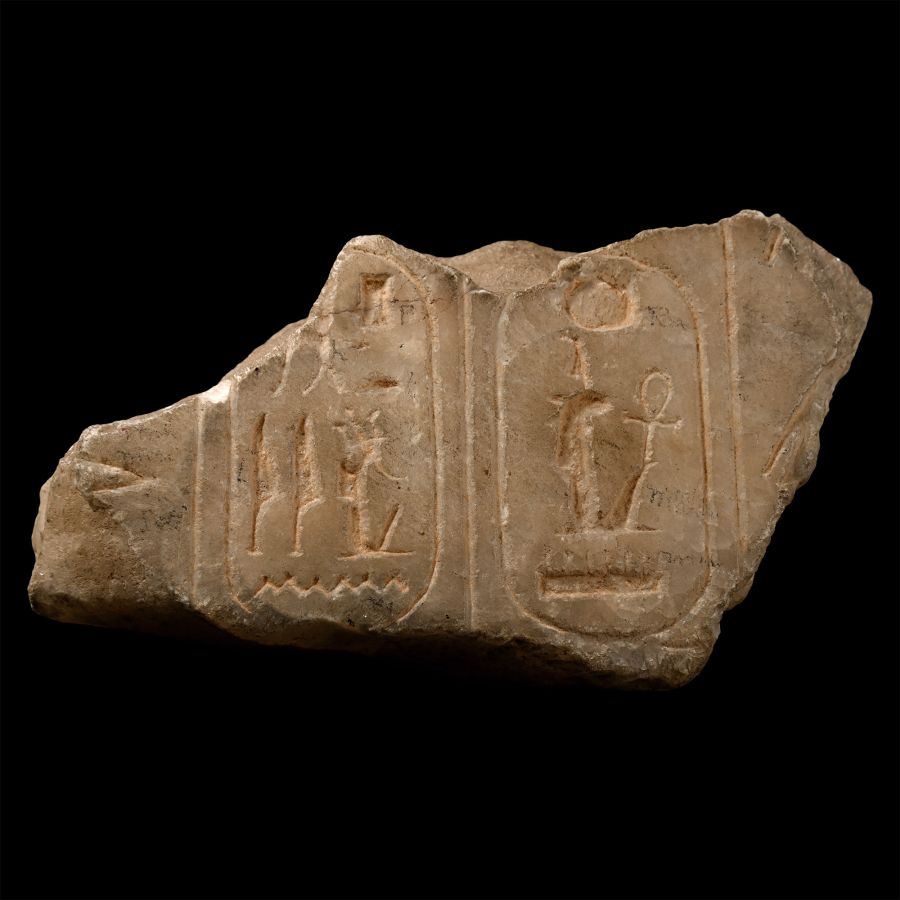
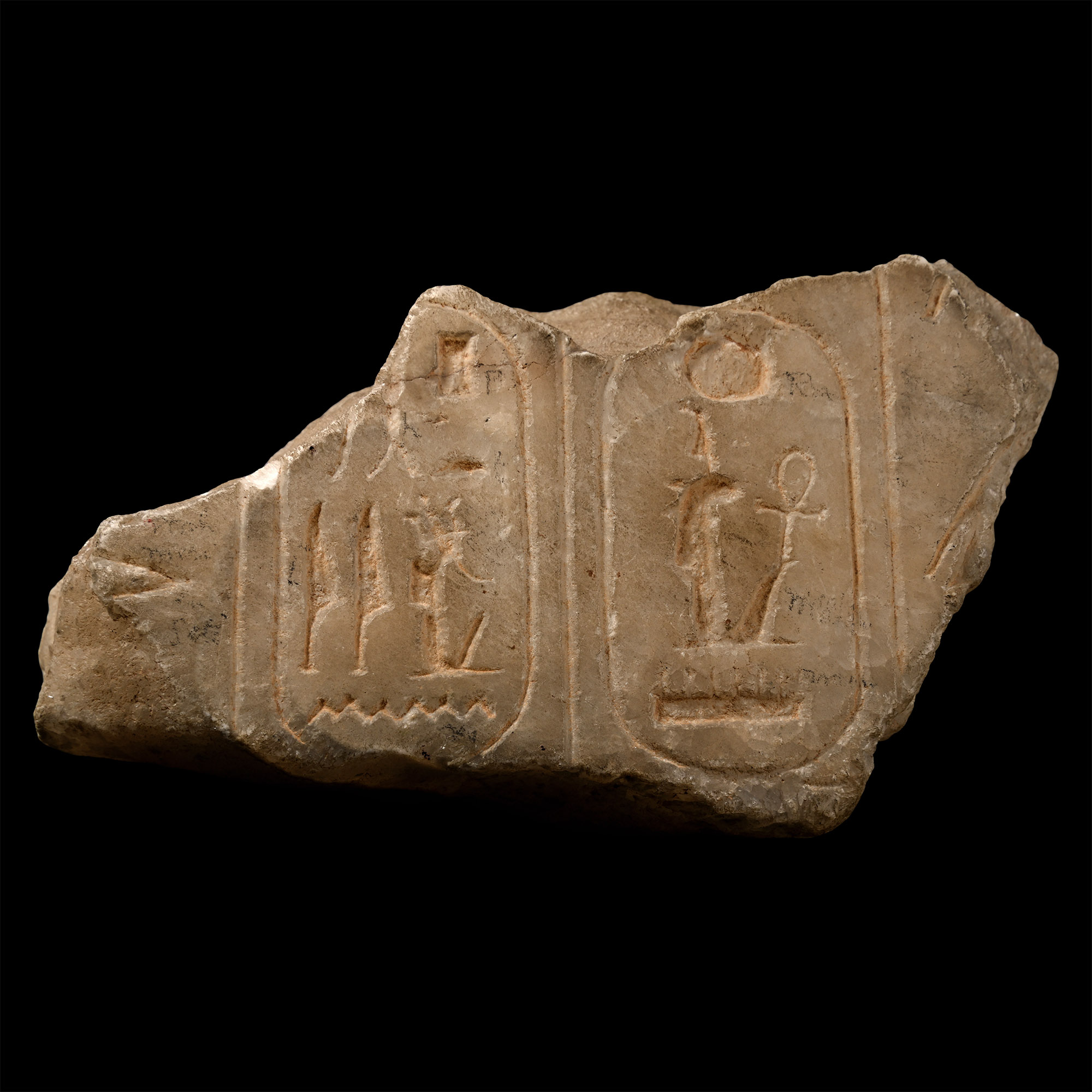
Egyptian Alabaster Fragment with Pharaoh Seti I's Cartouches
NEW KINGDOM, 19TH DYNASTY, CIRCA 1278 B.C.
5 3/8 in. (526 grams, 13.8 cm).
Thick section of alabaster with traces of four columns of hieroglyphs, including two partially preserved cartouches, one containing the birth name and epithet of Seti I, Seti mery-en-Ptah ('Seti, beloved of Ptah'), and the other his throne name, Men-Maat-Re ('Eternal is the justice of Re'). [No Reserve]
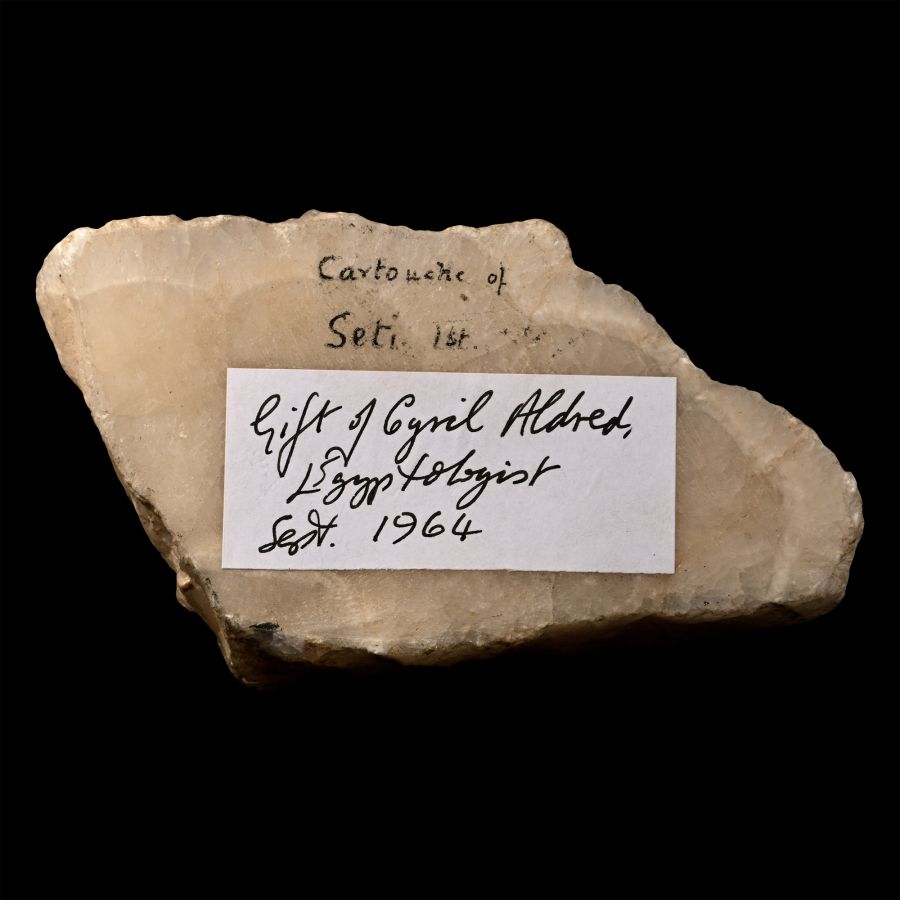
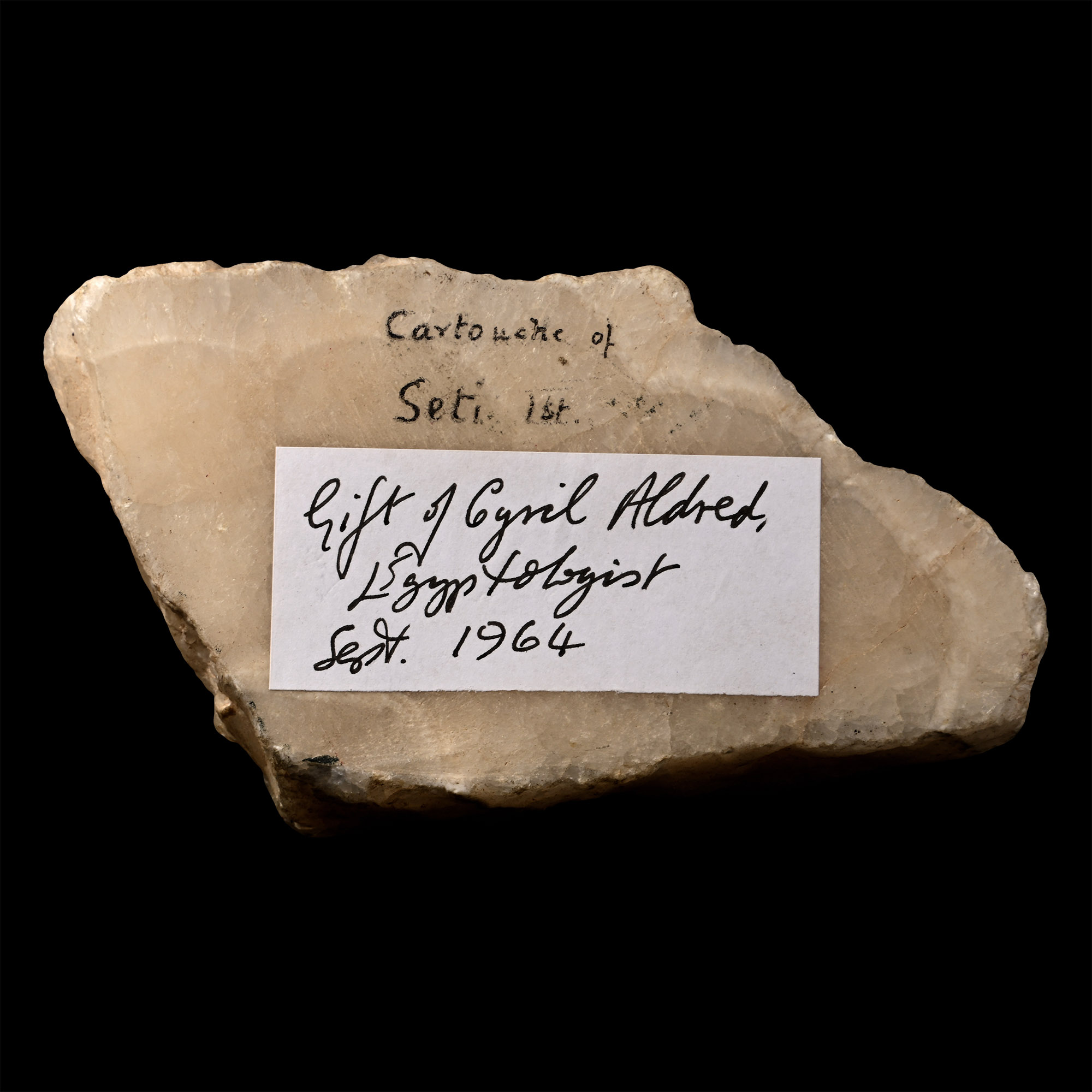
ProvenanceReceived by gift from archaeologist Cyril Aldred, September 1964.
From the private collection of Peter Clayton, FCILIP, Dip, Arch, FSA, FRNS, Hemel Hempstead, Hertfordshire, UK; formed since the late 1950s.
Accompanied by an old handwritten information card by Peter Clayton, collection no.123.
This lot has been checked against the Interpol Database of stolen works of art and is accompanied by search certificate no.13494-262900.
Peter Clayton's card suggests that the fragment may come from Seti's alabaster sarcophagus, the elaborately decorated lower half of which is in the John Soane Museum, London. The fragment may belong to the lid, which plunderers smashed in antiquity and which survives only in a relatively small number of fragments.
CONDITIONTimeLine Auctions follows a vetting process to ensure the authenticity and legality of all items, reinforcing our commitment to integrity and responsible trading. Each antiquity, antique, and coin lot undergoes thorough examination by a vetting committee of at least ten external specialists, professional trade association members, scientists, and archaeologists: Our Vetting Process
AUCTIONS:
TimeLine is a leading auction house specialising in antiquities, ancient art, collectables, natural history, coins, medals, and books. Our auctions offer museums, collectors, historians, and enthusiasts the opportunity to acquire unique and historically significant pieces.
LOT 0015
Egyptian Alabaster Fragment with Pharaoh Seti I's Cartouches
Estimate £2,000 - 3,000€2,320 - 3,480 (for guidance only)$2,700 - 4,050 (for guidance only)
-
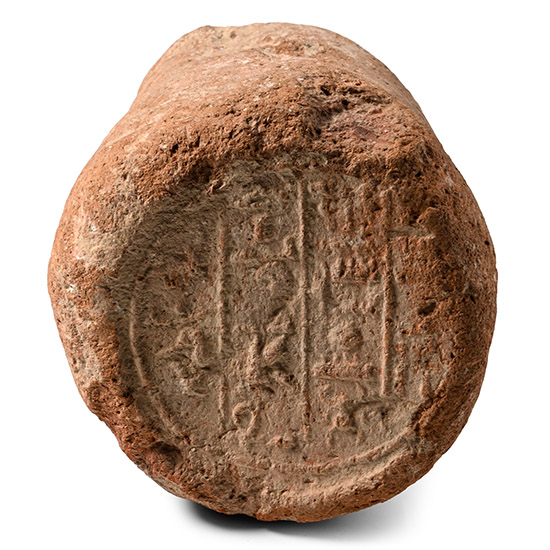
Egyptian Terracotta Funerary Cone of Menkheperreseneb
New Kingdom, 18th Dynasty, 15th century B.C.Estimate: £400 - 600 (+bp*)
Bids: 4 | Current Bid: £150
Front portion of a tapering funerary cone, with the circular flat surface impressed with four vertical columns of hieroglyphs, reading: 'The Osiris, hereditary prince, count, chancellor of the king of Lower Egypt, first god's servant of Amun, Menkheperreseneb, true of voice.' 554 grams, 10.4 cm
Acquired from Abdoul Rassoul on the West Bank at Luxor, 1974-1980 when a guest lecturer. From the private collection of Peter Clayton, FCILIP, Dip, Arch, FSA, FRNS, Hemel Hempstead, Hertfordshire, UK; formed since the late 1950s.
Menkheperreseneb served under the 18th Dynasty pharaoh Thutmosis III. His tomb (TT 86) is in the Theban necropolis at Sheikh Abd el-Qurna. -
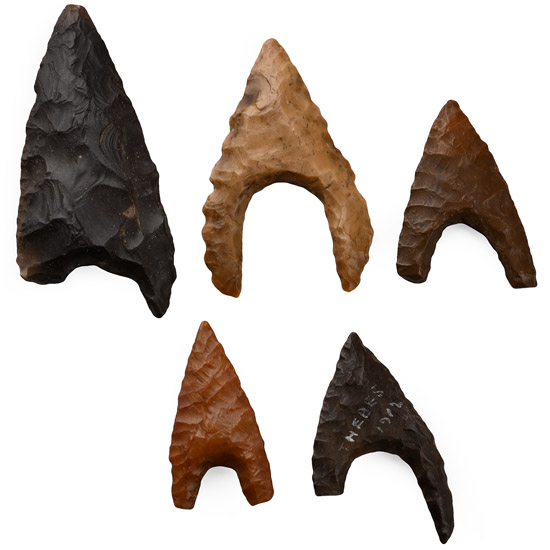
Egyptian Stone Age Knapped Arrowhead Group from Thebes
Neolithic Period, 11,000-5,200 B.P.Estimate: £150 - 200 (+bp*)
Bids: 2 | Current Bid: £25
Comprising five barbed types, two with chipped barbs; accompanied with a handwritten tag reading 'Neolithic hollow-based arrowheads. Fayuum type. c.5000 BC'. 24.8 grams total, 33-58 mm
Found Thebes. From the collection of A.D. Passmore (1879-1958), his collection of flints from the area of Stonehenge was donated to the Ashmolean Museum in the 1950s. From the private collection of Peter Clayton, FCILIP, Dip, Arch, FSA, FRNS, Hemel Hempstead, Hertfordshire, UK; formed since the late 1950s. Accompanied by a copy of an old handwritten information card by Peter Clayton. -
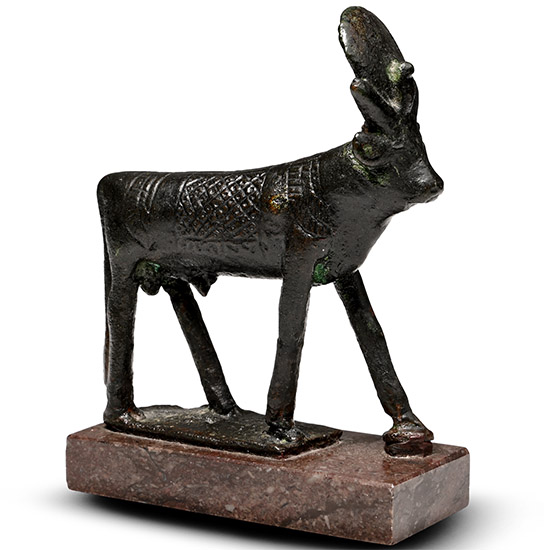
Egyptian Bronze Votive Apis Bull Statue
Ptolemaic Period, 2nd-1st century B.C.Estimate: £1,200 - 1,700 (‡+bp*)
Opening Bid: £650
Small votive statuette of a bull advancing with a sun disc and uraeus between the horns, on a rectangular plinth; incised caparison and two falcons with outstretched wings on its back; phallus and testicles present; mounted on a custom-made stand. 90 grams total, 72 mm high including stand
Ex Zurich art market, 1980s. Private collection Brigitte Leu, Zurich, between 1980 and 2003.
In Ancient Egypt, bull deities embodied aspects of fertility or the creative power of certain gods, such as Ra. Originally, the Apis bull was a fertility god in his own right, but he could also merge syncretically with other deities. For example, the creator god Ptah of Memphis found his "living repetition" in the Apis bull. When an Apis bull died, it was given a lavish funeral and interred in a magnificent hard-stone sarcophagus within the dedicated catacombs at Saqqara known as the Serapeum.
