
Loading, please wait...
LOT 0049
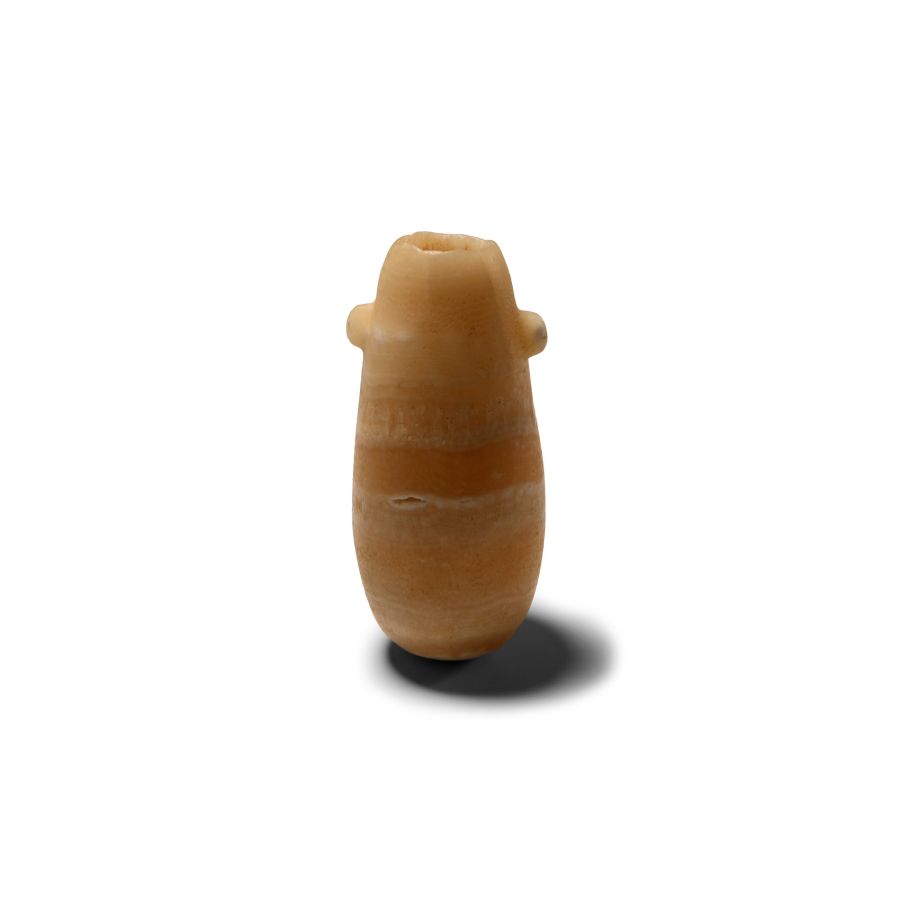
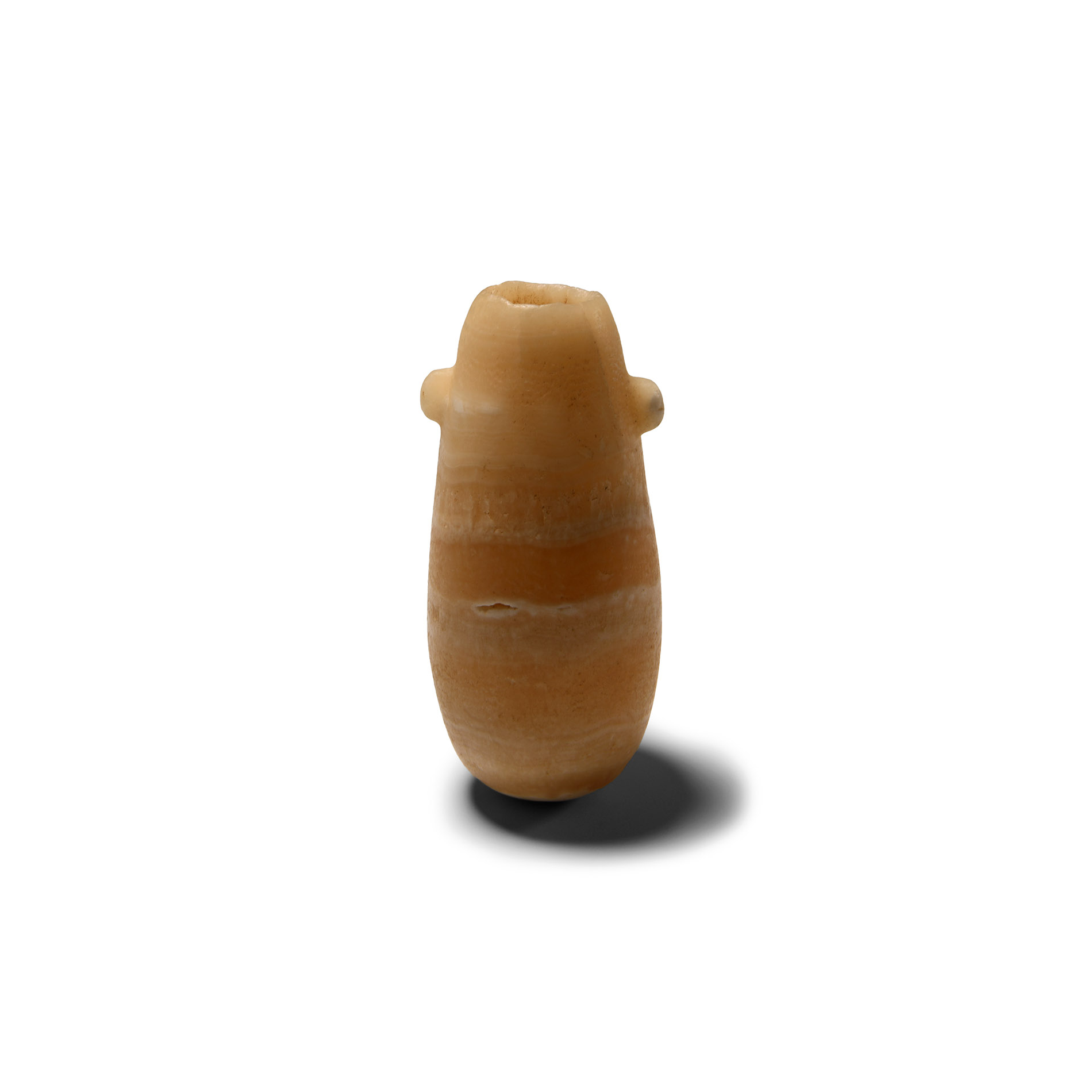
Egyptian Alabaster Alabastron
THIRD INTERMEDIATE PERIOD-LATE PERIOD, 1069-332 B.C.
3 7/8 in. (139 grams, 97 mm high).
The piriform vessel with rounded base, two integral lug handles to the neck; fractured above the neck.
ProvenanceAcquired in Europe before 1992.
LiteratureCf. The British Museum, accession/miscellaneous number E.1.1888, for similar; Aston, B.G., Ancient Egyptian Stone Vessels: Materials and Forms, Heidelberg, 1994, pp.162-163 (Third Intermediate Period), p.166 (Late Period), for the type.
CONDITIONTimeLine Auctions follows a vetting process to ensure the authenticity and legality of all items, reinforcing our commitment to integrity and responsible trading. Each antiquity, antique, and coin lot undergoes thorough examination by a vetting committee of at least ten external specialists, professional trade association members, scientists, and archaeologists: Our Vetting Process
AUCTIONS:
TimeLine is a leading auction house specialising in antiquities, ancient art, collectables, natural history, coins, medals, and books. Our auctions offer museums, collectors, historians, and enthusiasts the opportunity to acquire unique and historically significant pieces.
LOT 0049
Egyptian Alabaster Alabastron
Estimate £400 - 600€460 - 700 (for guidance only)$540 - 810 (for guidance only)
-
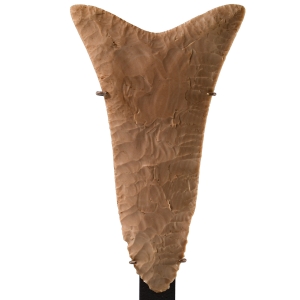
Egyptian Fishtail Flint Knife
Circa 3650-3300 B.C.Sold for (Inc. bp): £7,150
Knapped bifacial tan knife with fishtail butt to receive a hilt; the rounded tip tapering and flaring along the edges; with a custom-made display stand. 142 grams total, 12 cm including stand
Collection of Maurice Bouvier, Alexandria, Egypt, then in Switzerland from 1959; thence by descent. This lot has been checked against the Interpol Database of stolen works of art and is accompanied by search certificate number no.11834-207726.
Many of these superbly crafted knives are attributed to the Naqada II period (c.3500-c.3200 BC), in Upper Egypt. They were normally used in the Opening of the Mouth ceremony. -
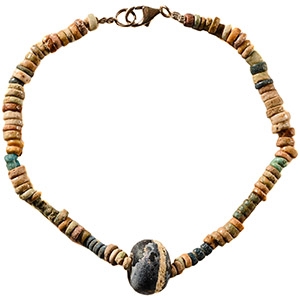
Egyptian Faience Mummy Bead Bracelet
Late Period, 664-525 B.C.Sold for (Inc. bp): £78
Restrung designer bracelet with a modern clasp; composed of polychrome beads of mainly disc and annular types and a larger banded feature glass bead. 4.48 grams, 19 cm long
Acquired on the UK art market. Property of a Ruislip, UK, gentleman, by inheritance. -
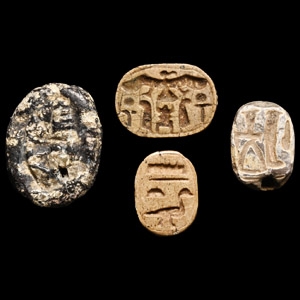
Egyptian Stone Scarab Collection
New Kingdom, 1315-332 B.C. and laterSold for (Inc. bp): £286
Each polished, pierced for suspension and engraved with hieroglyphs or other symbols to the base; three carved with scarab detailing to the upper face. 8.06 grams total, 13-20 mm
Acquired 1980s-1990s. Private collection of H.N., Milton Keynes, Berkshire, UK.
