
Loading, please wait...
LOT 0844
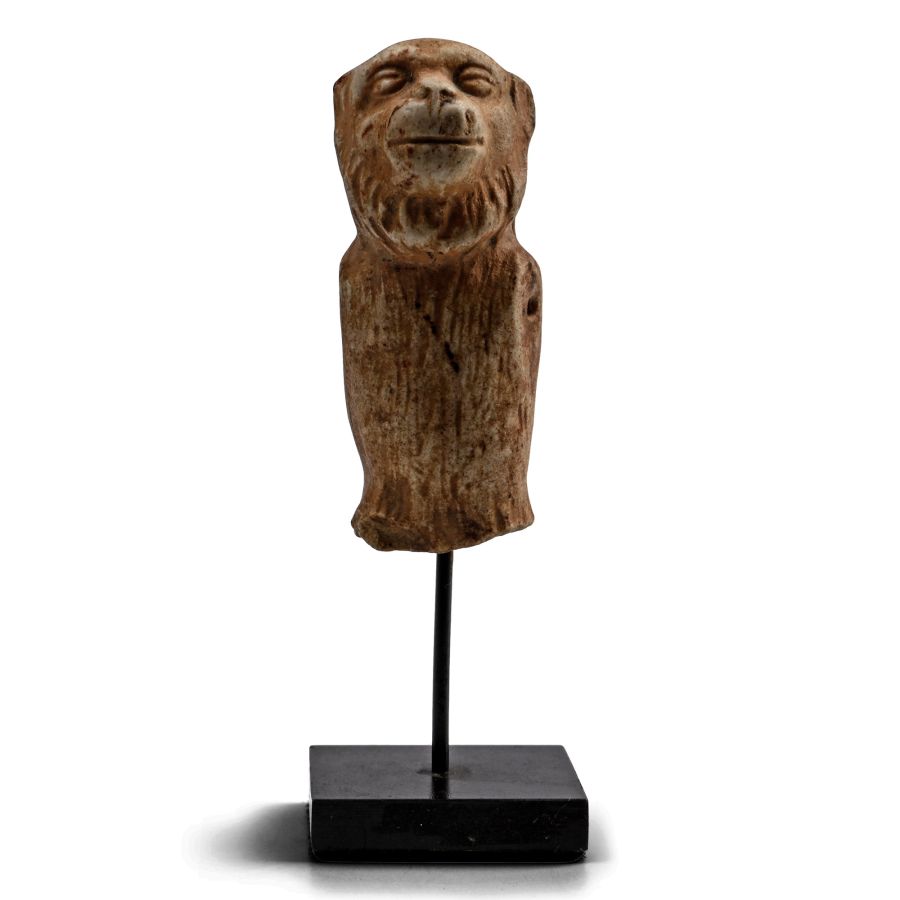
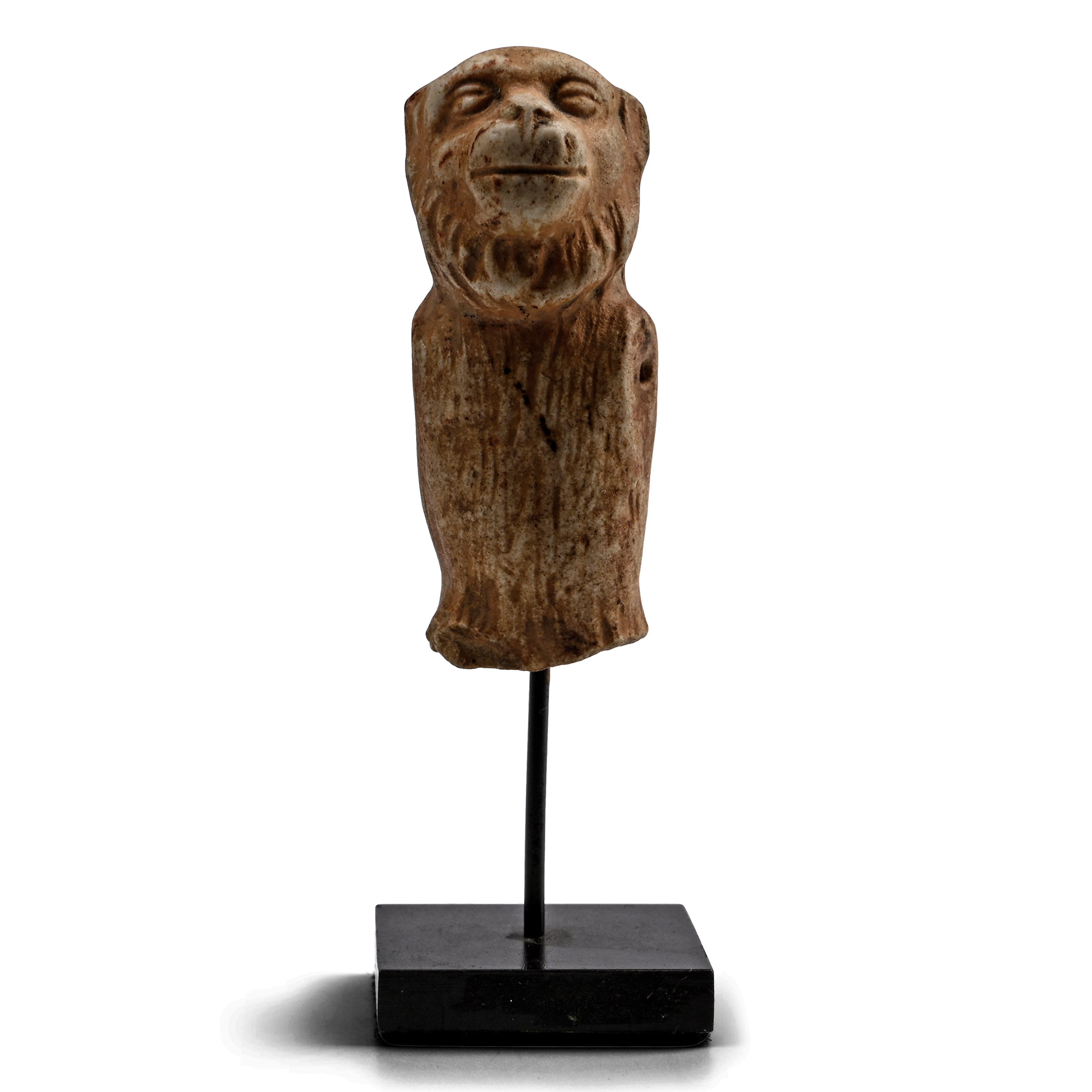
Eastern Roman Stone Child's Toy Figure
1ST-2ND CENTURY A.D.
2 7/8 in. (46.8 grams total, 73 mm including stand).
A well-carved white stone monkey statuette, with lower body absent, pierced through the shoulders to accept separately made arms; mounted on a custom-made stand.
ProvenanceAcquired from Boisgirard and Associes, Arts d'Orient Archéologie, Paris, 5 April 2000, no.32.
Private collection, London, UK.
TimeLine Auctions follows a vetting process to ensure the authenticity and legality of all items, reinforcing our commitment to integrity and responsible trading. Each antiquity, antique, and coin lot undergoes thorough examination by a vetting committee of at least ten external specialists, professional trade association members, scientists, and archaeologists: Our Vetting Process
AUCTIONS:
TimeLine is a leading auction house specialising in antiquities, ancient art, collectables, natural history, coins, medals, and books. Our auctions offer museums, collectors, historians, and enthusiasts the opportunity to acquire unique and historically significant pieces.
LOT 0844
Eastern Roman Stone Child's Toy Figure
Estimate £600 - 800€700 - 930 (for guidance only)$810 - 1,080 (for guidance only)
-

Roman Miniature Military Silver Eagle Statuette
2nd century A.D.Estimate: £100 - 140 (+bp*)
Opening Bid: £50
Modelled in the round with folded wings andsplit tail; socket to the chest. 11.6 grams, 28 mm
Private collection, England. -
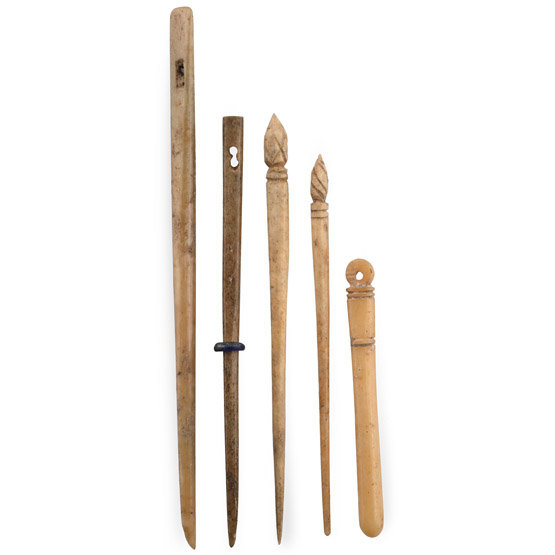
Roman Bone Pin Collection
1st-4th century A.D.Sold for (Inc. bp): £169
Each with hipped and tapering shank; balustered and other finials; one with blue glass collar to the shank. 18 grams total, 7.3-14.4 cm
Ex German art market, 2000s. Acquired from an EU collector living in London. From the collection of a Surrey, UK, gentleman. -
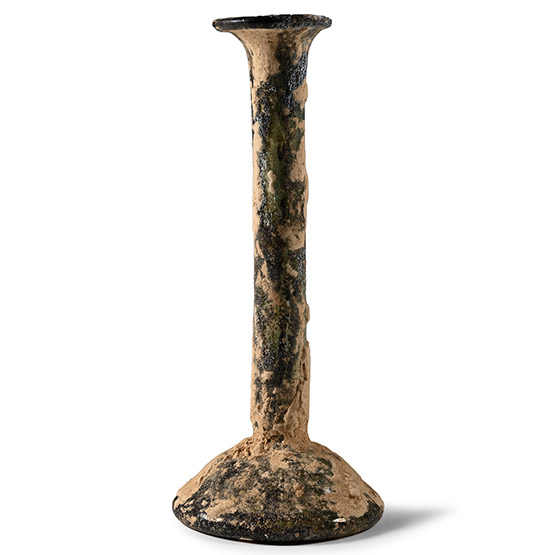
Roman Glass Vessel
1st-3rd century A.D.Sold for (Inc. bp): £65
Tall thin translucent pale green vessel with wide foot and dimpled base, tapering stem and flared rim. 27.6 grams, 12.5 cm
From a London, UK, collection, 1990s.
Similar bottles were produced in Roman Cyprus. Hayes had divided the Cypriot products into three classes on the basis of the character of the glass. This example belongs to the third class, i.e. ‘very thin-walled pieces in a pale fabric, almost colourless in parts’.
