
Loading, please wait...
LOT 0702
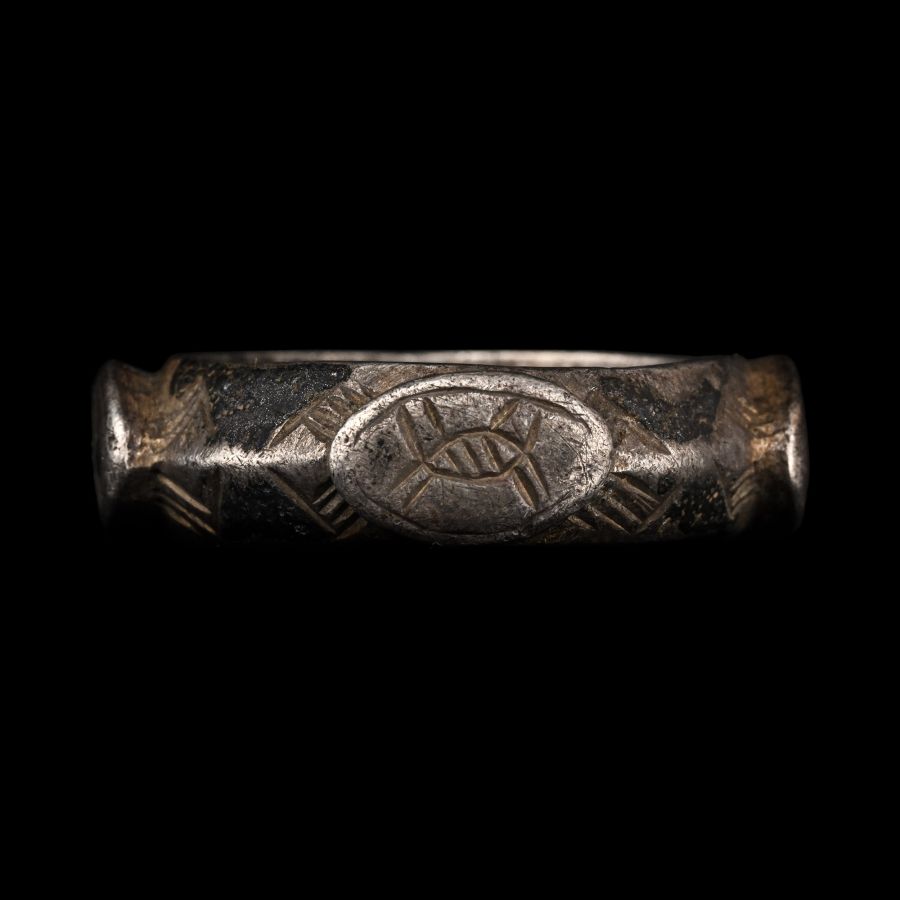
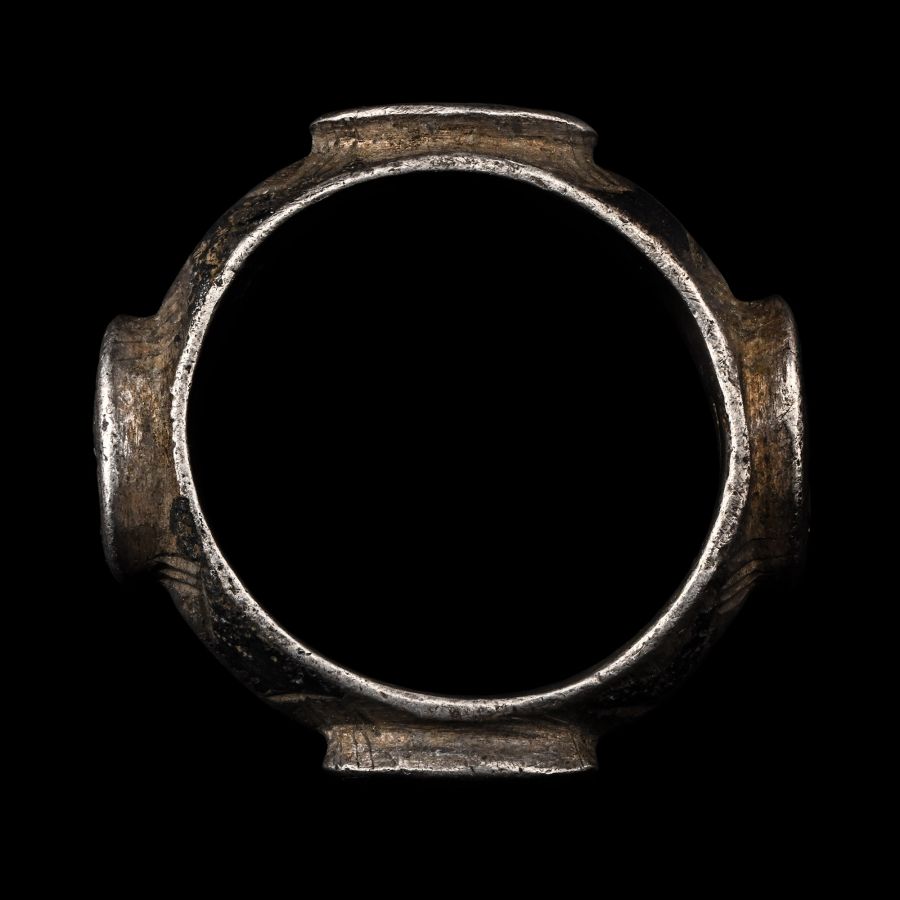
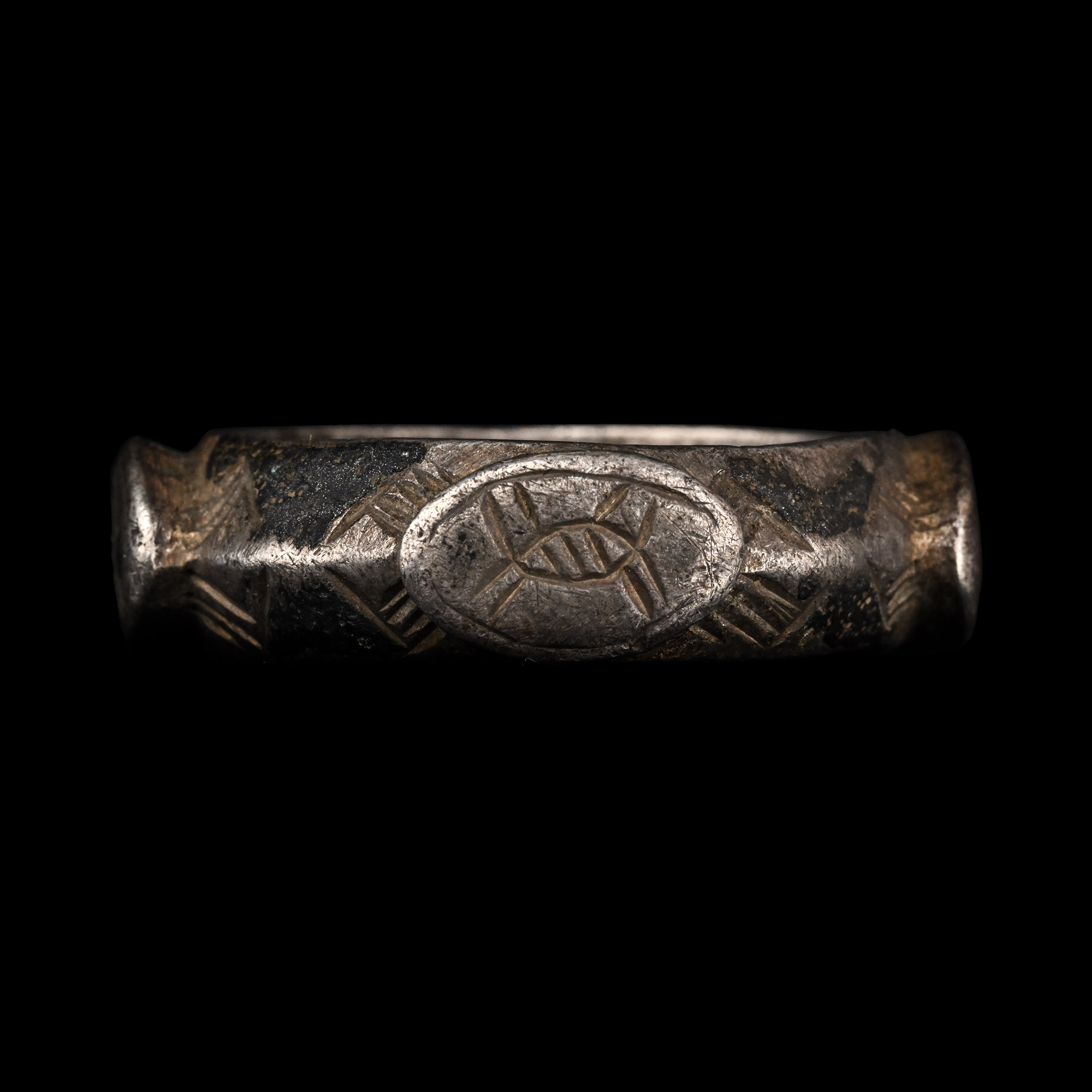
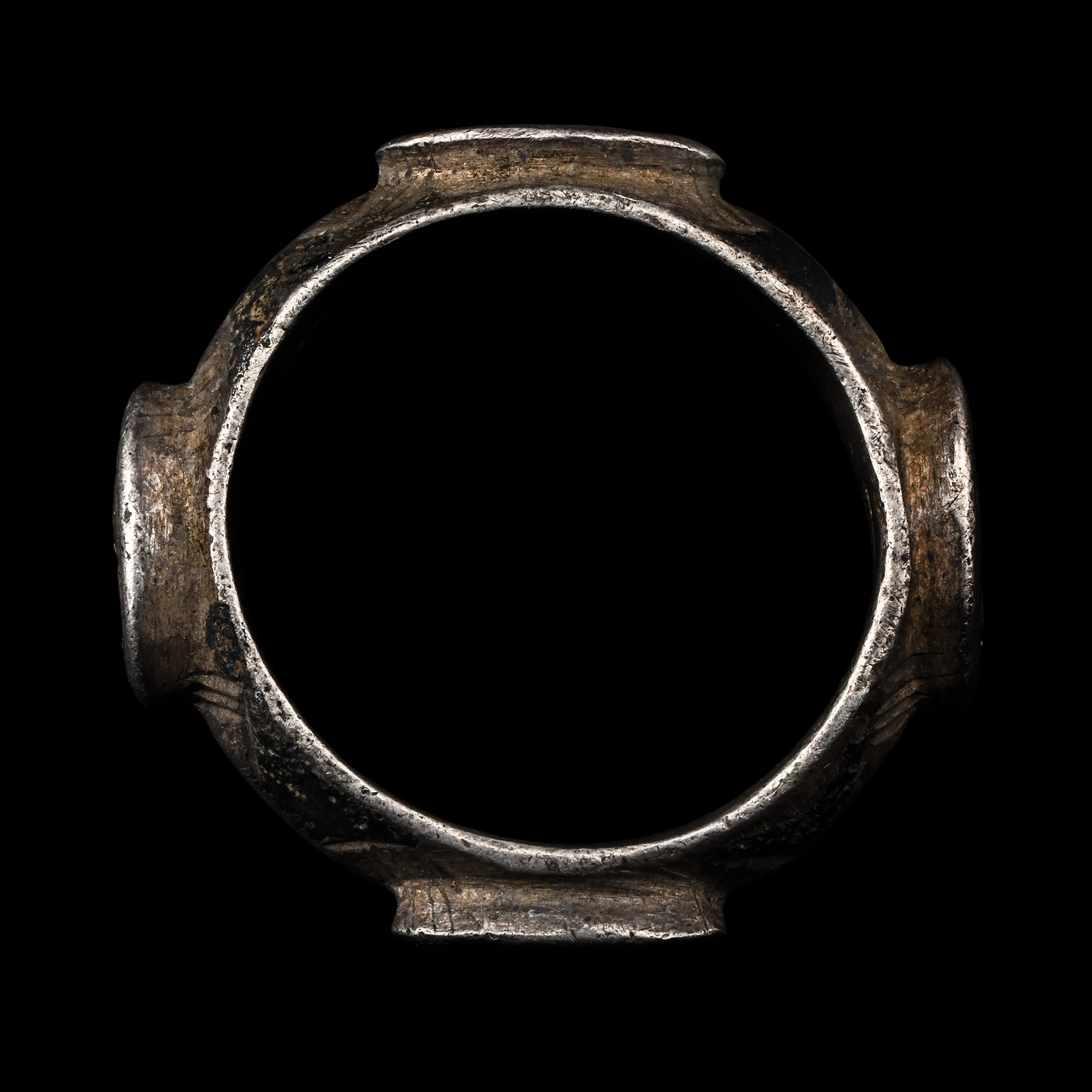
Eastern Roman Silver Ring with Four Bezels
CIRCA 3RD-4TH CENTURY A.D.
1 1/8 in. (12.77 grams, 28.71 mm overall, 20.85 mm internal diameter (approximate size British V, USA 10 1/2, Europe 23.77, Japan 22)).
Of a carinated section with four radiating ellipsoid plaques; incised hatchings to the hoop and plaques. [No Reserve]
ProvenanceFrom the collection of a gentleman, acquired on the London art market in the 1990s.
CONDITIONTimeLine Auctions follows a vetting process to ensure the authenticity and legality of all items, reinforcing our commitment to integrity and responsible trading. Each antiquity, antique, and coin lot undergoes thorough examination by a vetting committee of at least ten external specialists, professional trade association members, scientists, and archaeologists: Our Vetting Process
AUCTIONS:
TimeLine is a leading auction house specialising in antiquities, ancient art, collectables, natural history, coins, medals, and books. Our auctions offer museums, collectors, historians, and enthusiasts the opportunity to acquire unique and historically significant pieces.
-
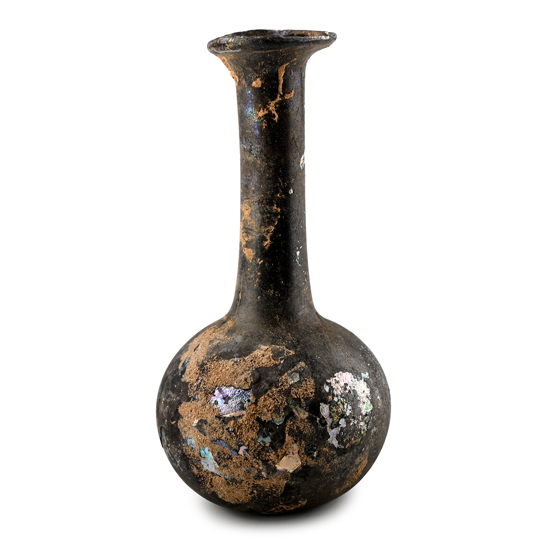
Roman Iridescent Glass Bottle
1st-2nd century A.D.Sold for (Inc. bp): £117
With bulbous body, tall tubular neck, broad everted rim to the shallow mouth; extensive iridescence. 20 grams, 97 mm
Ex London, UK, art market 1990s. -
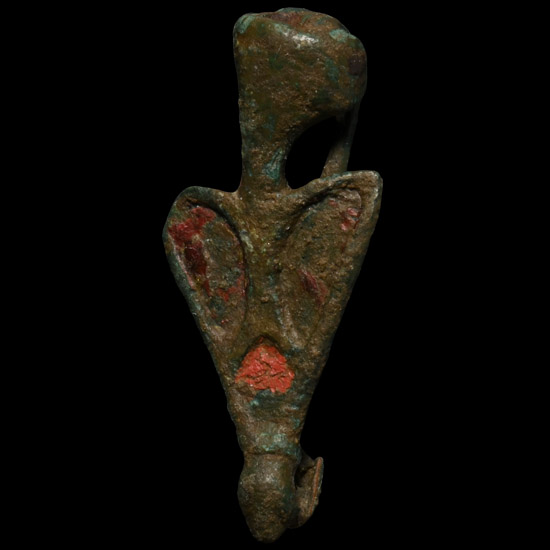
Romano-British Enamelled Bronze Fly Brooch
Circa 2nd century A.D.Sold for (Inc. bp): £111
With open wings and head formed as a rounded knob; pin, spring and catch to the reverse. 2.94 grams, 32 mm
Acquired on the UK art market before 2000. Property of an Essex, UK, gentleman. -
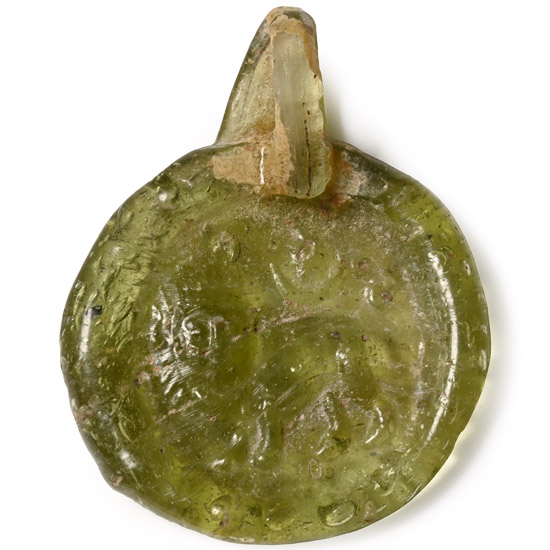
Roman Glass Pendant with Lion
2nd-3rd century A.D.Sold for (Inc. bp): £85
Pale green discoid pendant with an impressed motif of a standing lion facing, a crescent and a star above. 1.88 grams, 24.91 mm
From the private collection of a European gentleman (1942-2024), formed since the 1970s.
