
Loading, please wait...

LOT 0750
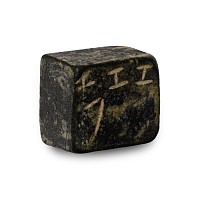
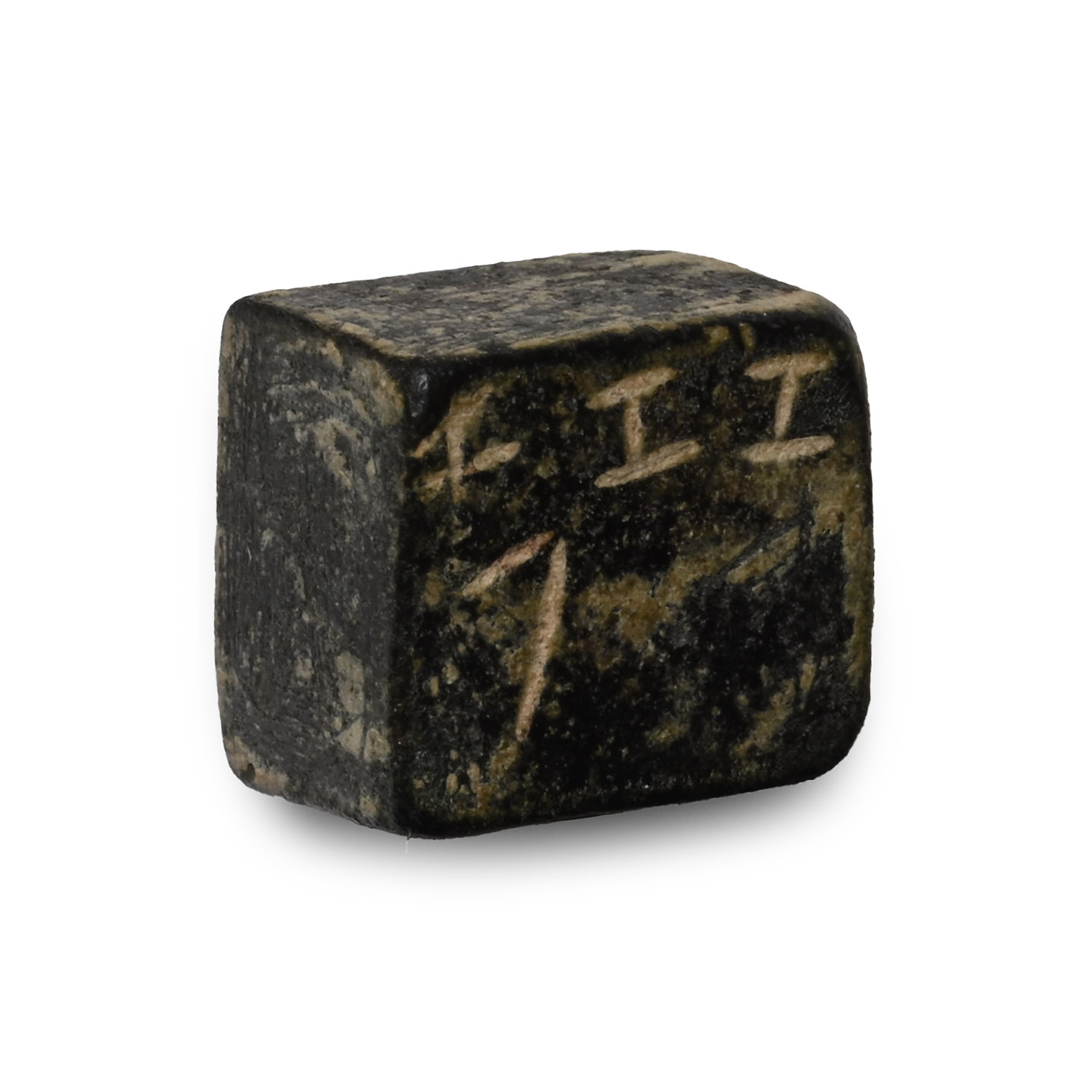
Eastern Levant AE Shekel Weight
BRONZE TO IRON II AGE, CIRCA 12TH-6TH CENTURIES B.C.
1/2 in. (8.1 grams, 12 mm).
In the form of a cube engraved on one side in Paleo-Hebrew or Phoenician: ʾZZ G in two lines.
ProvenanceFrom the collection of a gentleman, acquired on the London art market in the 1990s.
LiteratureHendin, Ancient Scale Weights -; Pondera -; Rochesnard -; Elay & Elayi, Recherches -.
CONDITIONTimeLine Auctions follows a vetting process to ensure the authenticity and legality of all items, reinforcing our commitment to integrity and responsible trading. Each antiquity, antique, and coin lot undergoes thorough examination by a vetting committee of at least ten external specialists, professional trade association members, scientists, and archaeologists: Our Vetting Process
AUCTIONS:
TimeLine is a leading auction house specialising in antiquities, ancient art, collectables, natural history, coins, medals, and books. Our auctions offer museums, collectors, historians, and enthusiasts the opportunity to acquire unique and historically significant pieces.
-
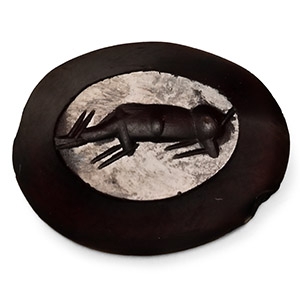
Roman Garnet Gemstone Depicting a Hunting Dog
1st-2nd century A.D.Estimate: £250 - 350 (+bp*)
Opening Bid: £100
Ellipsoid in plan with intaglio hound crouching. 1.62 grams, 15 mm
From the private collection of Mr K.A., acquired in the 1990s-early 2000s. -
.jpg)
Roman Iridescent Glass Unguentarium
1st-4th century A.D.Sold for (Inc. bp): £52
Tall and slender iridescent vessel with bulb to the base and flared rim. 7.47 grams, 10.5 cm
Acquired 1980-2015. Ex Abelita family collection. -
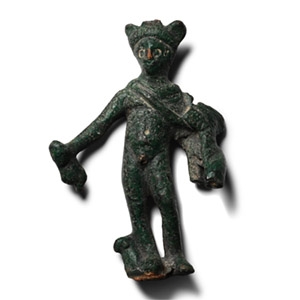
Roman Bronze Mercury Statuette
Provincial, 1st-4th century A.D.Sold for (Inc. bp): £260
Modelled in the round nude with winged petasos, coin-bag in the proper right hand, caduceus resting on the left forearm, short mantle over left shoulder. 48 grams, 67 mm
From the collection of a gentleman, acquired on the London art market in the 1990s.
