
Loading, please wait...
LOT 0603
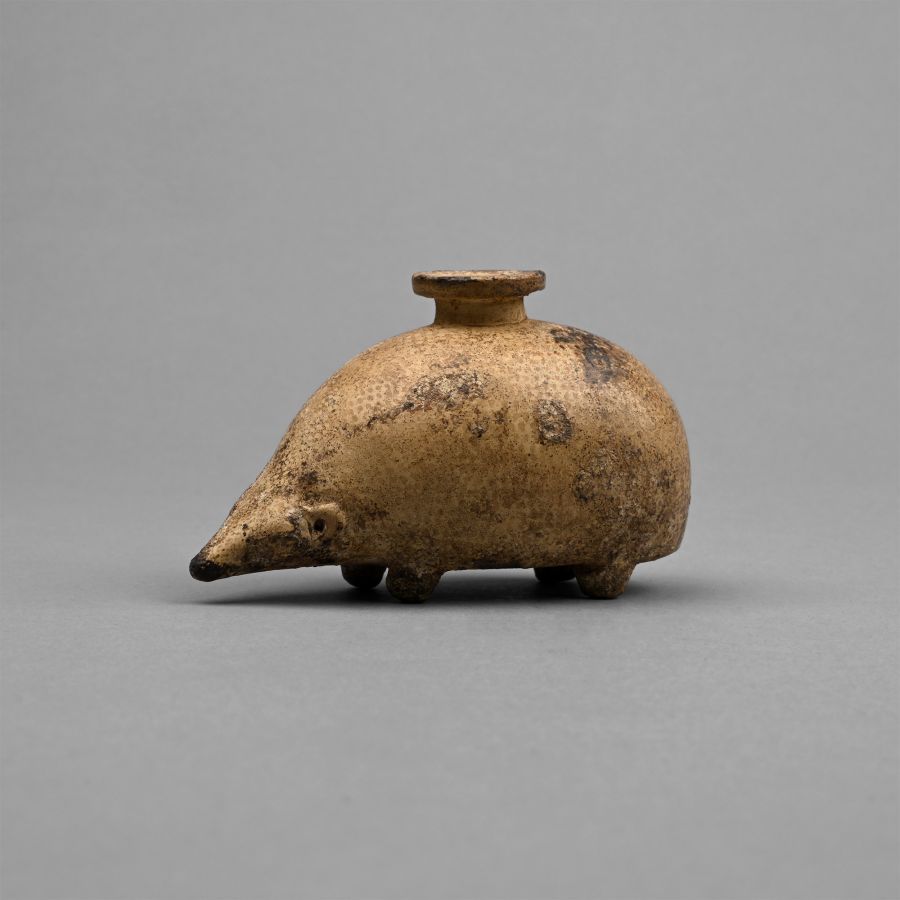
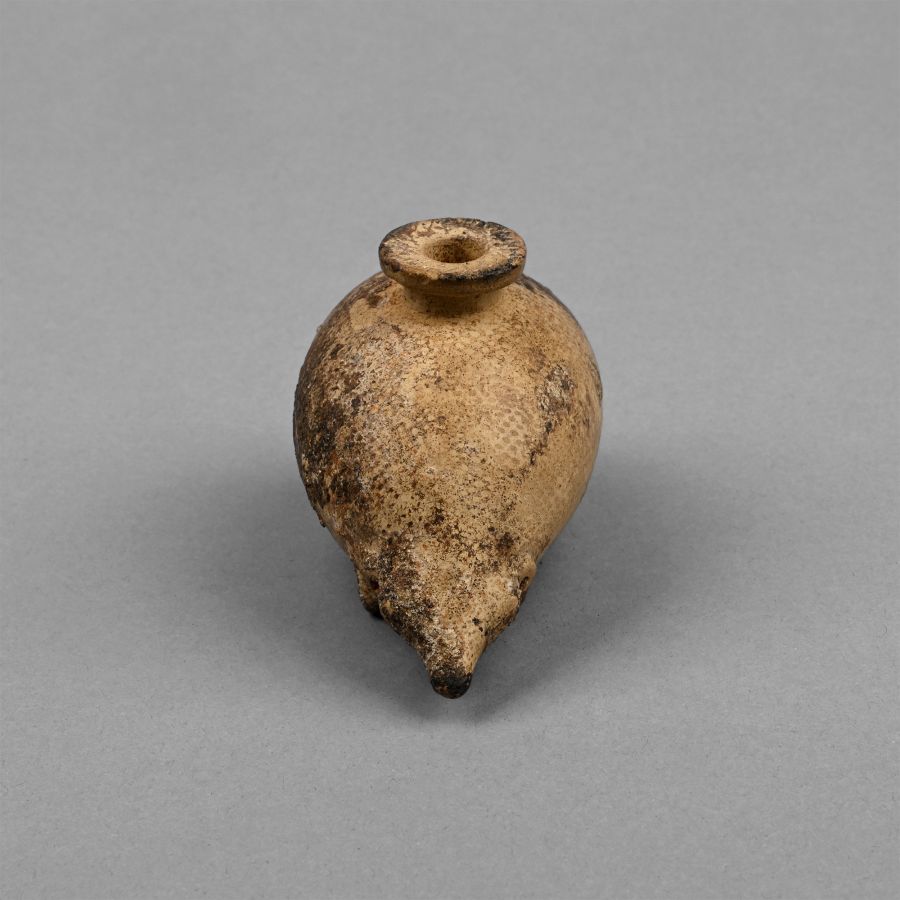
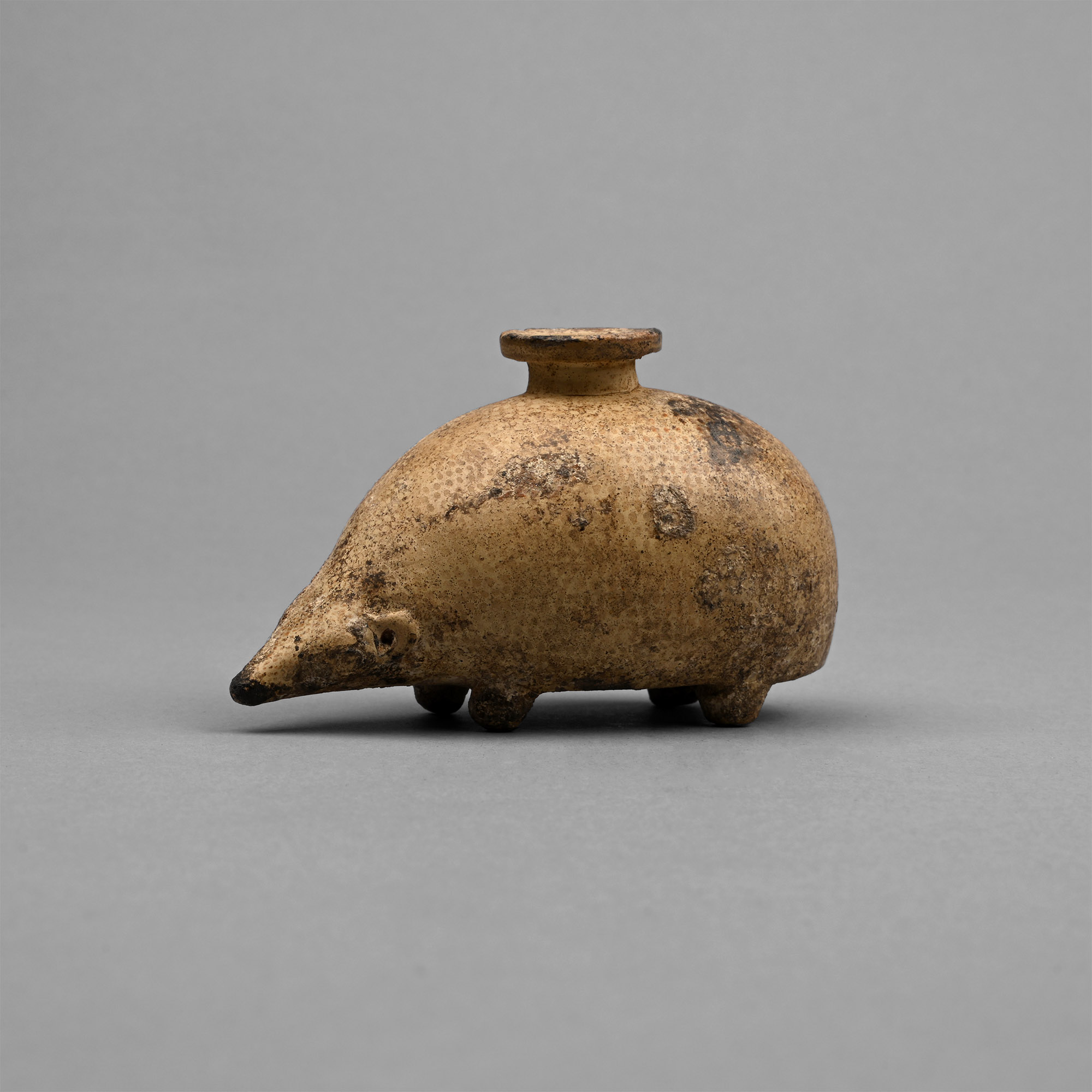
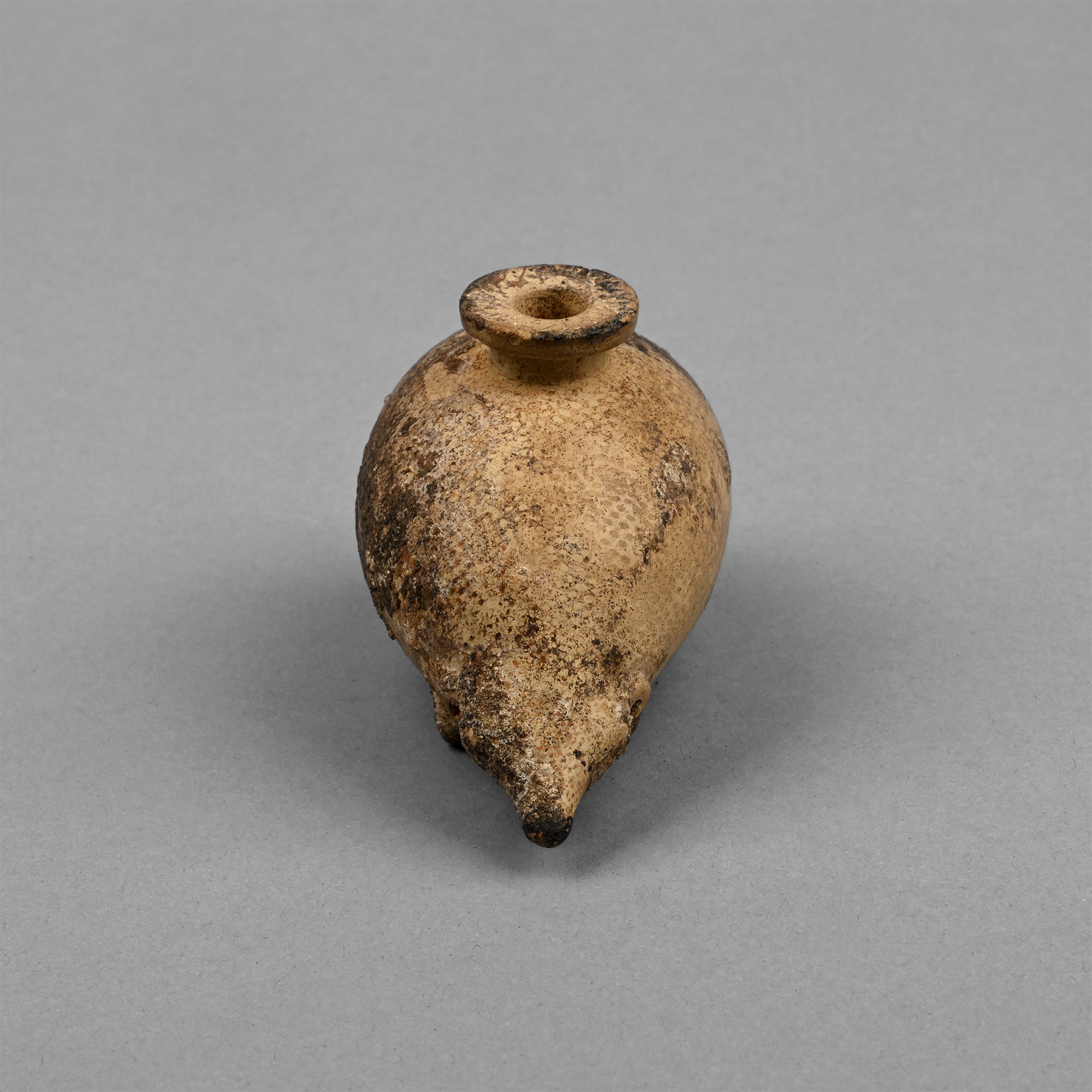
Eastern Greek Terracotta Hedgehog Aryballos
6TH CENTURY B.C.
3 3/4 in. (55 grams, 98 mm).
Hollow-formed with textured body and four stub legs, conical nose and lateral flanges with impressed point eyes; discoid flange rim to the neck with incised petal detailing.
ProvenanceEx Mrs IM collection, nr 18 (widow of Leo Mildenberg), formed in Zurich, gift from her husband between 1975-2000.
Acquired by the present owner from the above.
This lot has been checked against the Interpol Database of stolen works of art and is accompanied by search certificate number no.12208-222174.
Cf. similar in the Metropolitan Museum of Art under accession no.69.11.3.
CONDITIONTimeLine Auctions follows a vetting process to ensure the authenticity and legality of all items, reinforcing our commitment to integrity and responsible trading. Each antiquity, antique, and coin lot undergoes thorough examination by a vetting committee of at least ten external specialists, professional trade association members, scientists, and archaeologists: Our Vetting Process
AUCTIONS:
TimeLine is a leading auction house specialising in antiquities, ancient art, collectables, natural history, coins, medals, and books. Our auctions offer museums, collectors, historians, and enthusiasts the opportunity to acquire unique and historically significant pieces.
-
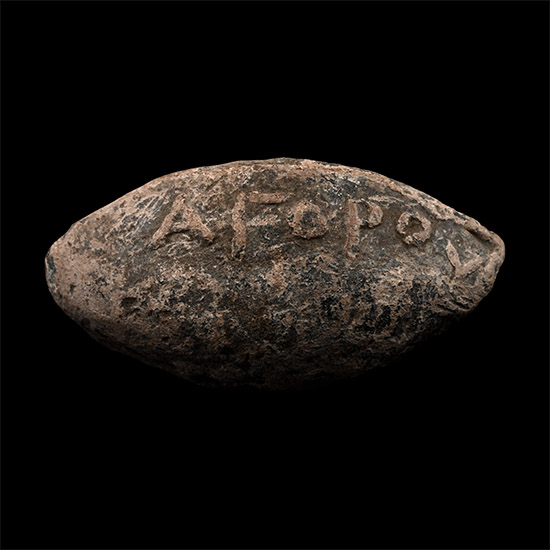
Greek Lead Slingshot
Macedonian, 4th-3rd century B.C.Sold for (Inc. bp): £130
Lentoid type with reserved legend 'APOPOU' (of Aphoros). 37.3 grams, 33 mm
Ex German art market, 2000s. Acquired from an EU collector living in London. From the collection of a Surrey, UK, gentleman. -
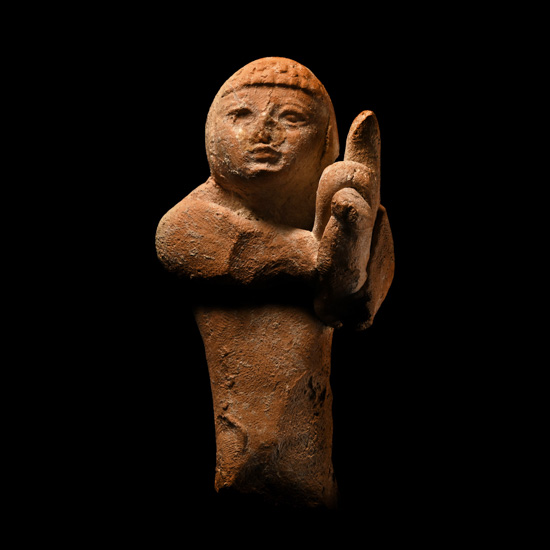
Greek Terracotta Citharode
6th-4th century B.C.Estimate: £1,500 - 2,000 (‡+bp*)
Opening Bid: £750
D-shaped in section with close-cut hairstyle, standing, holding a cithara supported on the left arm, strumming with the right hand. 62 grams, 86 mm
Ex Shlomo Moussaieff (1925-2015), Israel. European private collection. This lot has been checked against the Interpol Database of stolen works of art and is accompanied by search certificate number no.13107-246791. -
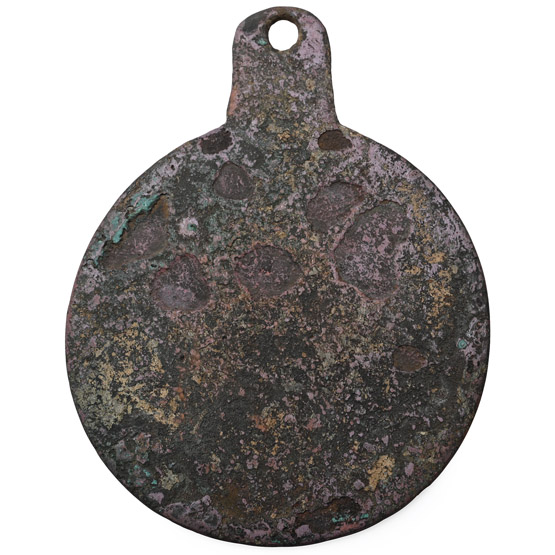
Graeco-Roman Bronze Mirror
1st century B.C.-1st century A.D.Sold for (Inc. bp): £59
Discoid flat-section body with a tongue-shaped, pierced handle. 150 grams, 13 cm
London, UK, art market, 1980s. Private collection, London, UK.
