
Loading, please wait...
LOT 0212
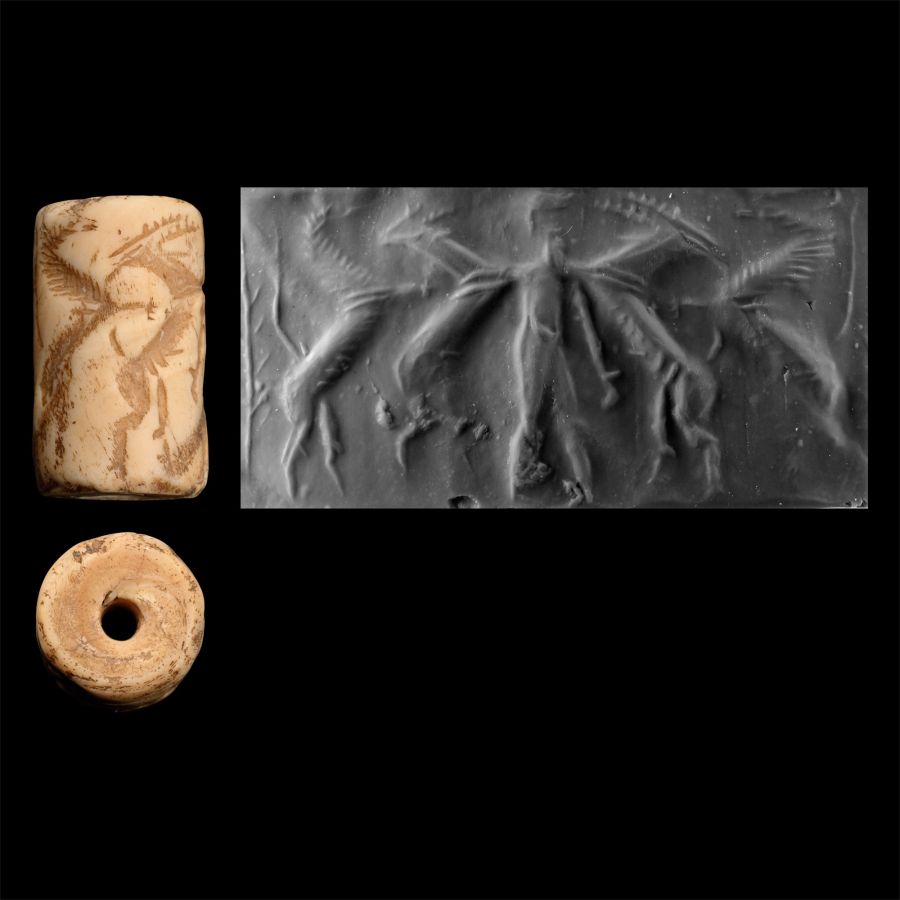
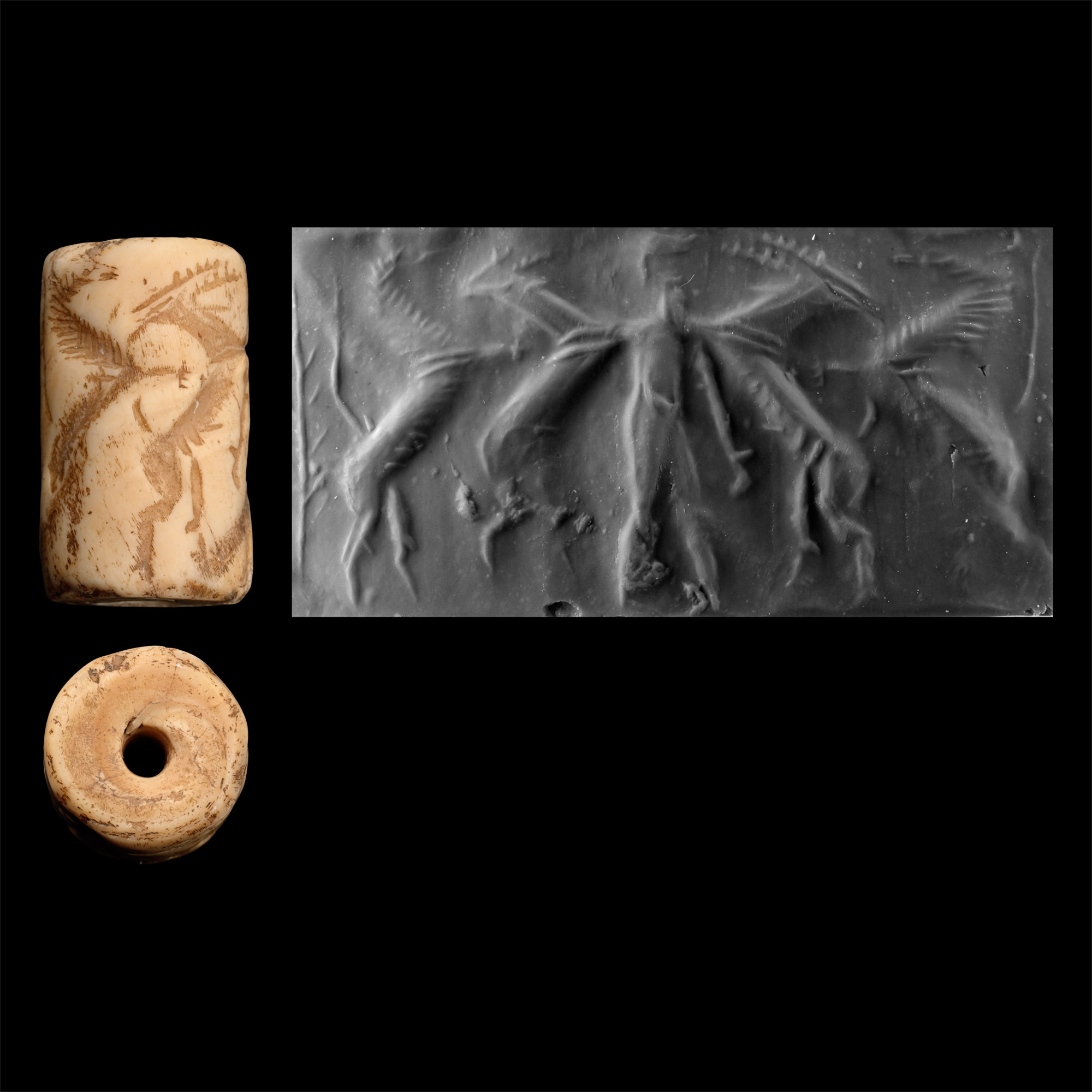
Early Akkadian Shell Cylinder Seal with Divine Hero
CIRCA 2300 B.C.
1 3/8 in. (37.6 grams, 37 mm).
Cylinder with standing male figure with a pair of animals to each side, restrung pair of red stone beads, old handwritten label '1647'; accompanied by a copy of an old scholarly note, typed and signed by W.G. Lambert, late Professor of Assyriology, University of Birmingham, 1970-1993, which states: 'Cylinder Seal of Cream Fossil Shell, 37 x 22 mm. In the centre stands a divine hero, nude, and gripping the neck of a horned animal on either side, each of which is being attacked by a lion with erect tail. For a terminal there stands a tall tree. This is an early Akkadian seal from Mesopotamia or West Iran, c. 2300 B.C. The symbolism comes from temple herds, which were liable to be attacked by lions at this time. They believed that certain gods and divine heroes could rescue their animals from such attacks, and by showing such scene on their seals they hoped to achieve the result be sympathetic magic.'; accompanied by a museum-quality impression. [No Reserve]
ProvenanceArmand Trampitsch, Glyptique Archéologie, Paris, Hôtel Drouot, 13-14 May 1992, no.23 [Part].
Accompanied by a copy of a scholarly note, typed and signed by Professor Wilfrid George Lambert in 1992.
This lot has been cleared against the Art Loss Register database, and is accompanied by an illustrated lot declaration signed by the Head of the Antiquities Department, Dr Raffaele D'Amato.
TimeLine Auctions follows a vetting process to ensure the authenticity and legality of all items, reinforcing our commitment to integrity and responsible trading. Each antiquity, antique, and coin lot undergoes thorough examination by a vetting committee of at least ten external specialists, professional trade association members, scientists, and archaeologists: Our Vetting Process
AUCTIONS:
TimeLine is a leading auction house specialising in antiquities, ancient art, collectables, natural history, coins, medals, and books. Our auctions offer museums, collectors, historians, and enthusiasts the opportunity to acquire unique and historically significant pieces.
-
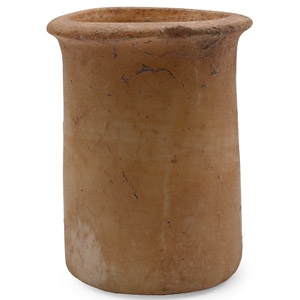
Mesopotamian Stone Vessel
1st millennium B.C.Sold for (Inc. bp): £169
Slightly flared tubular body with everted rim. 452 grams, 10 cm
From a collection formed before 1990. Ex Mayfair, London, UK, gallery, 2000s. This lot has been cleared against the Art Loss Register database, and is accompanied by an illustrated lot declaration signed by the Head of the Antiquities Department, Dr Raffaele D'Amato. -
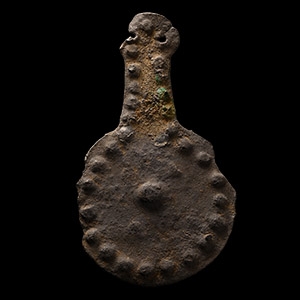
Early Bronze Age Silver Idol
Circa 2400-2100 B.C.Estimate: £1,200 - 1,700 (+bp*)
Opening Bid: £600
Violin-shaped with round body, long neck and stylised head, symbolising a female body, perforated with two holes at the top representing the eyes, embossed with dots around the perimeter. 5.34 grams, 62 mm
From a private family collection formed since the early 19th century, thence by descent. Property of a New Zealand legal professional. Accompanied by an academic report by Dr Raffaele D’Amato. This lot has been checked against the Interpol Database of stolen works of art and is accompanied by search certificate number no.12321-223719. This lot has been cleared against the Art Loss Register database, and is accompanied by an illustrated lot declaration signed by the Head of the Antiquities Department, Dr Raffaele D'Amato. -
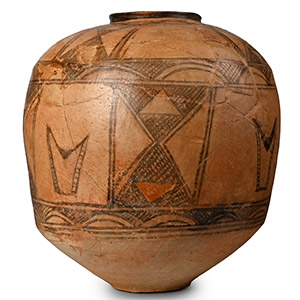
Gigantic Western Asiatic Pottery Jar
Circa 3000 B.C.Sold for (Inc. bp): £2,984
Barrel-shaped in profile with low rim to the mouth; painted dentilled band to the shoulder with eight panels below alternating plain and hatched; similar pattern to the sidewall, the plain panels with swallowtail motif. 11.9 kg, 53 cm high
with Mahboubian Gallery, London, 1974. This lot has been checked against the Interpol Database of stolen works of art and is accompanied by search certificate number no.12811-241409. This lot has been cleared against the Art Loss Register database, and is accompanied by an illustrated lot declaration signed by the Head of the Antiquities Department, Dr Raffaele D'Amato.
