
Loading, please wait...
LOT 0446
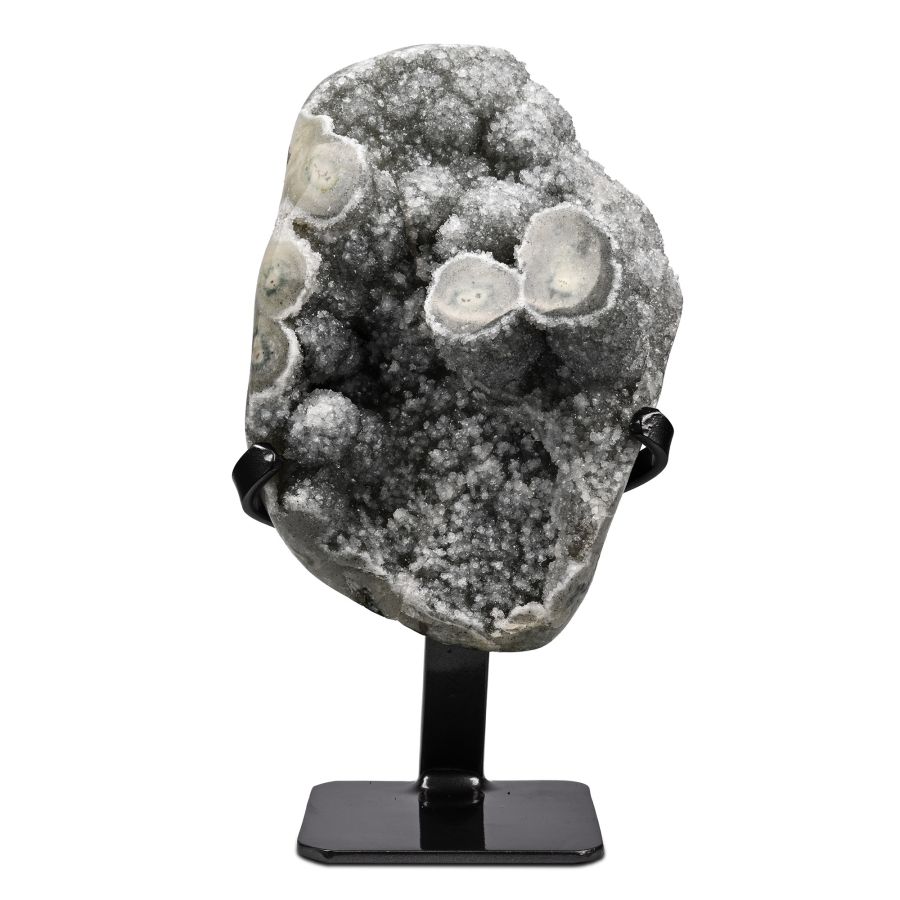
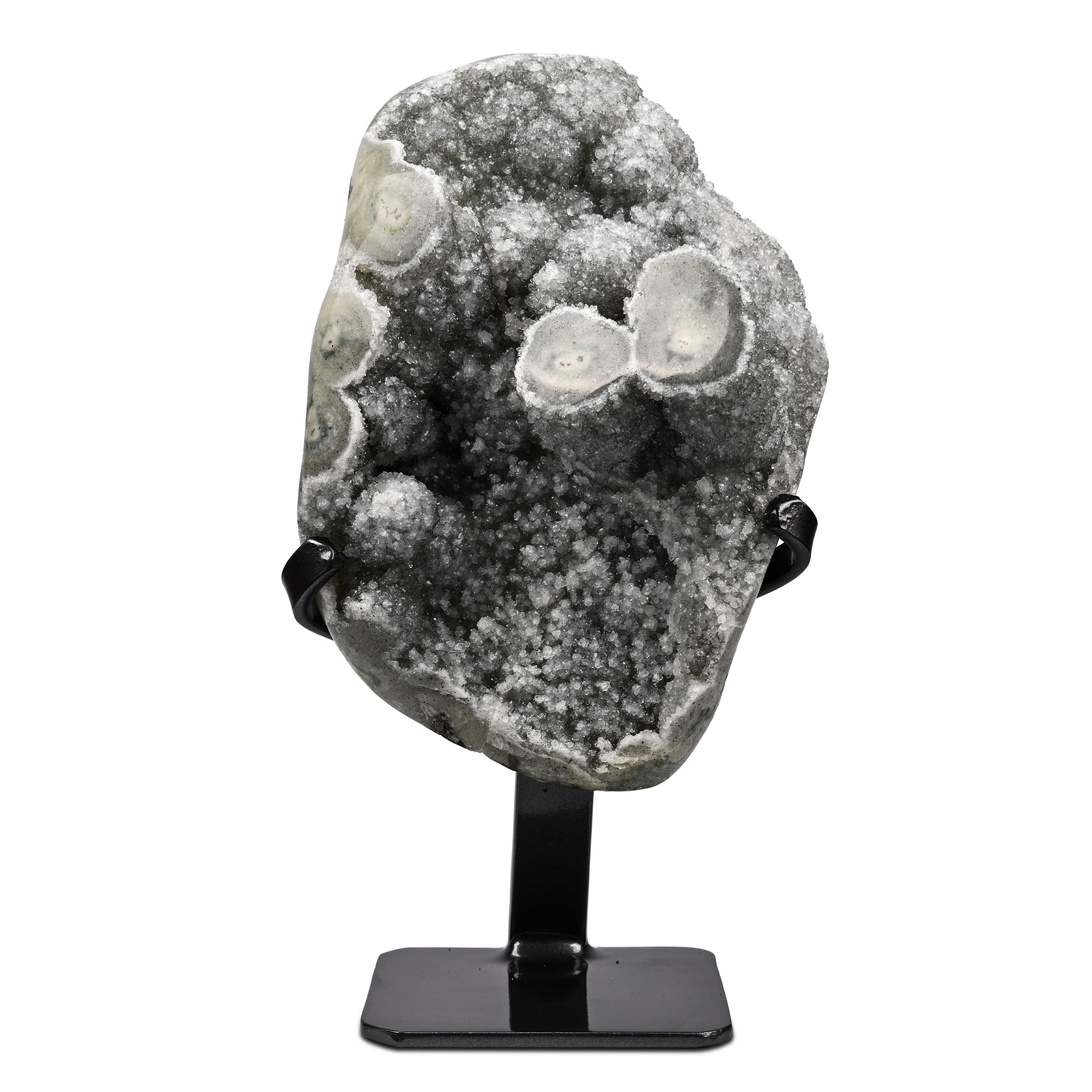
Druzy Quartz Geode Display
CRETACEOUS PERIOD, CIRCA 120-140 MILLION YEARS B.P.
9 x 7 x 5 7/8, 11 3/8 in. (3.85 kg, 23 x 18 x 15 cm, 29 cm including stand).
An exquisite formation of grey and white druzy quartz on a geode section, a pair of cut stalagmite 'eyes' on one side with polished upper face showing the layered structure; mounted on a custom-made display stand.
ProvenanceFrom Artigas, Uruguay.
Property of a London lady.
TimeLine Auctions follows a vetting process to ensure the authenticity and legality of all items, reinforcing our commitment to integrity and responsible trading. Each antiquity, antique, and coin lot undergoes thorough examination by a vetting committee of at least ten external specialists, professional trade association members, scientists, and archaeologists: Our Vetting Process
AUCTIONS:
TimeLine is a leading auction house specialising in antiquities, ancient art, collectables, natural history, coins, medals, and books. Our auctions offer museums, collectors, historians, and enthusiasts the opportunity to acquire unique and historically significant pieces.
LOT 0446
Druzy Quartz Geode Display
Estimate £1,200 - 1,700€1,390 - 1,970 (for guidance only)$1,620 - 2,300 (for guidance only)
-
Fossil Perisphinctes Ammonite
Jurassic Period, circa 174-145 million years B.P.Sold for (Inc. bp): £39
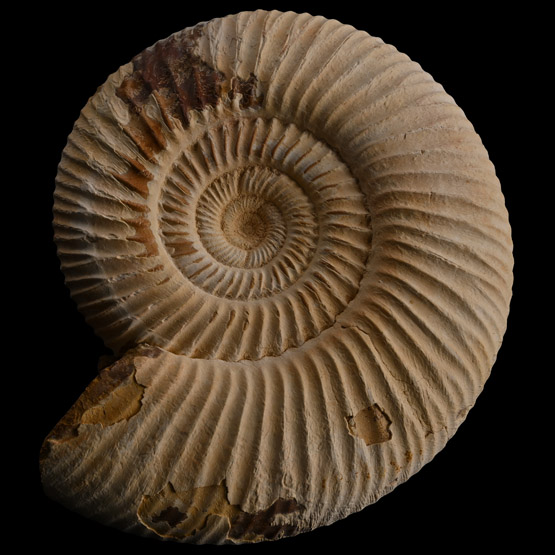
Perisphinctids indogermanus fossil ammonite showing clear ribbing. 193 grams, 90 mm
From Madagascar. Property of an Essex gallery. -
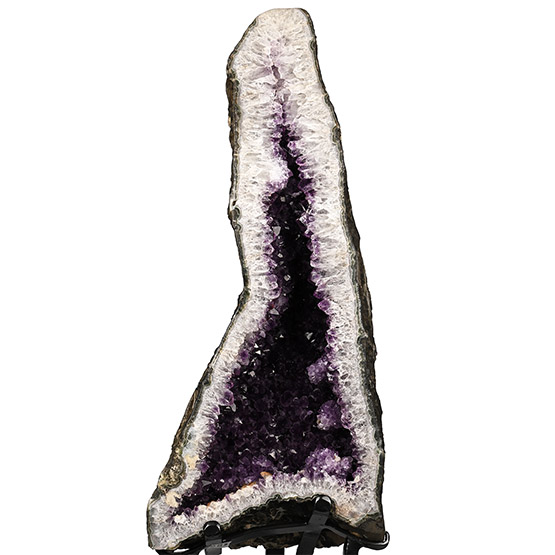
Large Deep Purple Amethyst Cathedral Display
Cretaceous Period, circa 120-140 million years B.P.Estimate: £2,500 - 3,500 (+bp*)
Opening Bid: £1,250
A complete half of a pyramidal geode, showing deep purple amethyst crystals with tan-coloured druzy quartz; mounted on a custom-made display stand. 40.65 kg, 84 x 38 x 17 cm, 112 cm including stand
From Artigas, Uruguay. Property of a London lady. -
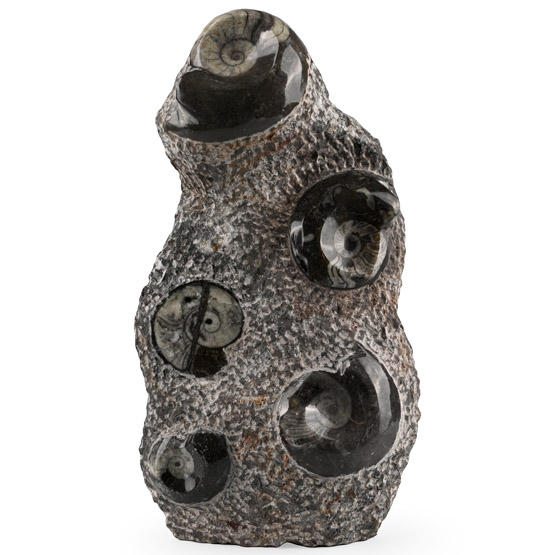
Polished Fossil Goniatite Display
Devonian Period, circa 400 million years B.P.Sold for (Inc. bp): £39
A freestanding matrix set with four Goniatite specimens. 2.35 kg, 24.7 cm
From Morocco. From a Cambridgeshire, UK, collection.
