
LOT 2993
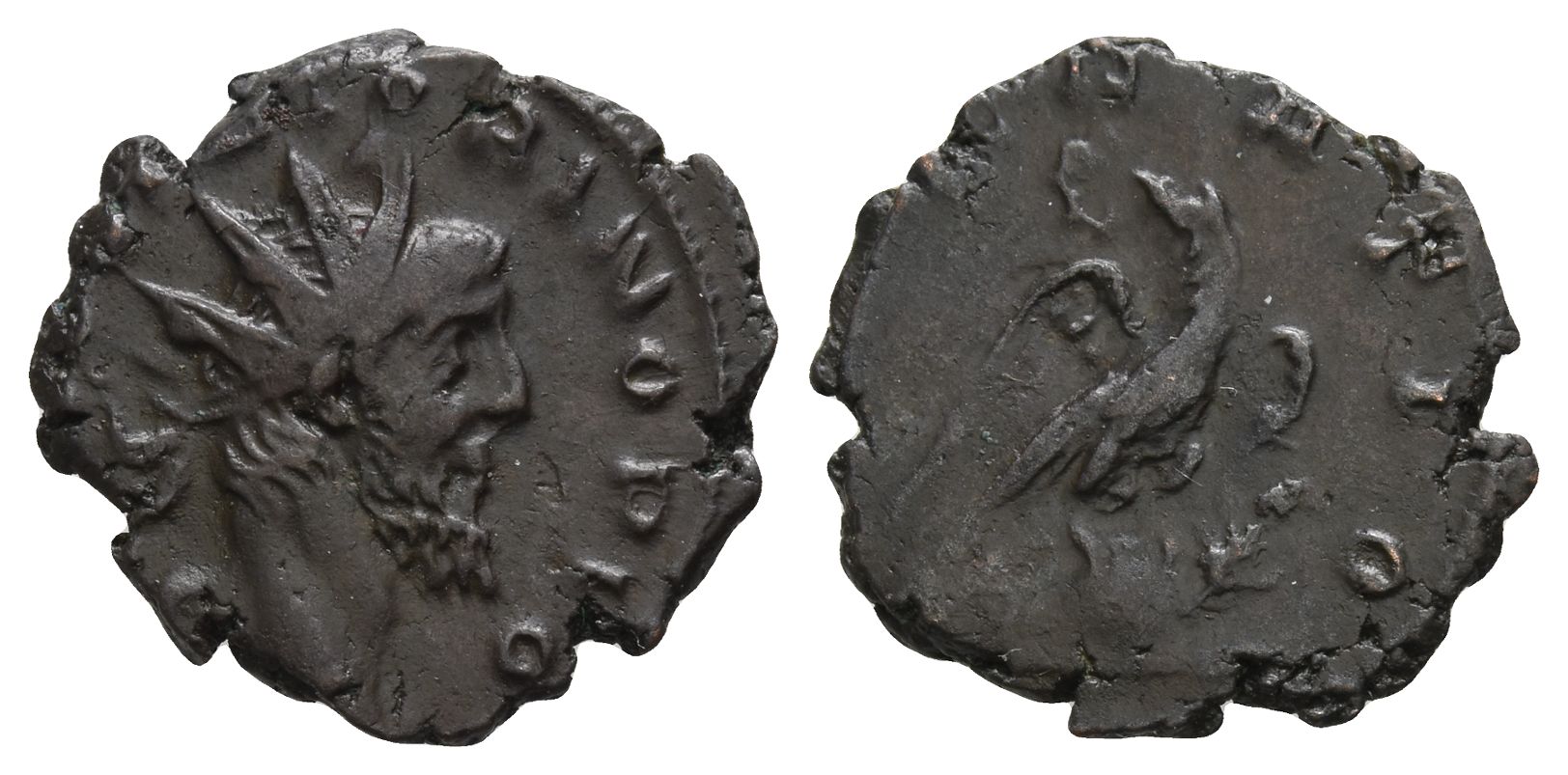
Divus Victorinus BI Antoninianus. Died AD 271.
Colonia Agrippinensis mint. DIVO VICTORINO PIO, radiate head to right / CONSECRATIO, eagle standing to right on globe, head to left, with wreath in beak. RIC V.2 83 var. (bust type); RIC V.4 638; Elmer 785. Very Fine.(3.00gr, 17mm, 11h.).
ProvenanceProperty of a North London, UK, gentleman.
TimeLine Auctions follows a vetting process to ensure the authenticity and legality of all items, reinforcing our commitment to integrity and responsible trading. Each antiquity, antique, and coin lot undergoes thorough examination by a vetting committee of at least ten external specialists, professional trade association members, scientists, and archaeologists: Our Vetting Process
AUCTIONS:
TimeLine is a leading auction house specialising in antiquities, ancient art, collectables, natural history, coins, medals, and books. Our auctions offer museums, collectors, historians, and enthusiasts the opportunity to acquire unique and historically significant pieces.
LOT 2993
Divus Victorinus BI Antoninianus.
Estimate £100 - 140€120 - 160 (for guidance only)$140 - 190 (for guidance only)
-
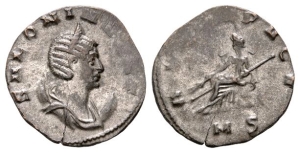
Salonina, Augusta BI Antonianus. AD 254-268.
Sold for (Inc. bp): £13
Mediolanum mint; struck AD 266. 2nd officina. SALON[INA AVG], diademed and draped bust to right, set on crescent / AVG [IN] PACE, Salonina seated to left, holding olive branch with right hand and transverse sceptre in left; MS in exergue. RIC V 58; MIR 36, 1374e; RSC 17. 2.69gr, 21mm, 11h.
Good Very Fine. Silvering almost fully intact. Flan crack at 6h.
From a London, UK, collection, 1990s. -
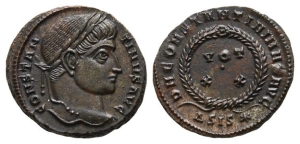
Constantine I BI Nummus. AD 307/310-337.
Sold for (Inc. bp): £39
Siscia mint; struck AD 320-321. 4th officina. CONSTANTINVS AVG, laureate head to right / D N CONSTANTINI MAX AVG, laurel wreath enclosing VOT • X X; ΔSIS(star) below. RIC VII 159. 3.16gr, 18mm, 6h.
Extremely Fine.
From a private collection, UK. -
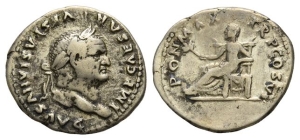
Vespasian AR Denarius. AD 69-79.
Sold for (Inc. bp): £78
Rome mint; struck AD 75. IMP CAESAR VESPASIANVS AVG, laureate head to right / PON MAX TR P COS VI, Securitas seated to left, holding branch in her right hand and resting her left elbow on throne. RIC II 772; RSC 366. 3.07gr, 20mm, 6h.
Near Very Fine.
Ex Stocker collection, Kent, UK, 1955-early 2000s.
