
LOT 2900
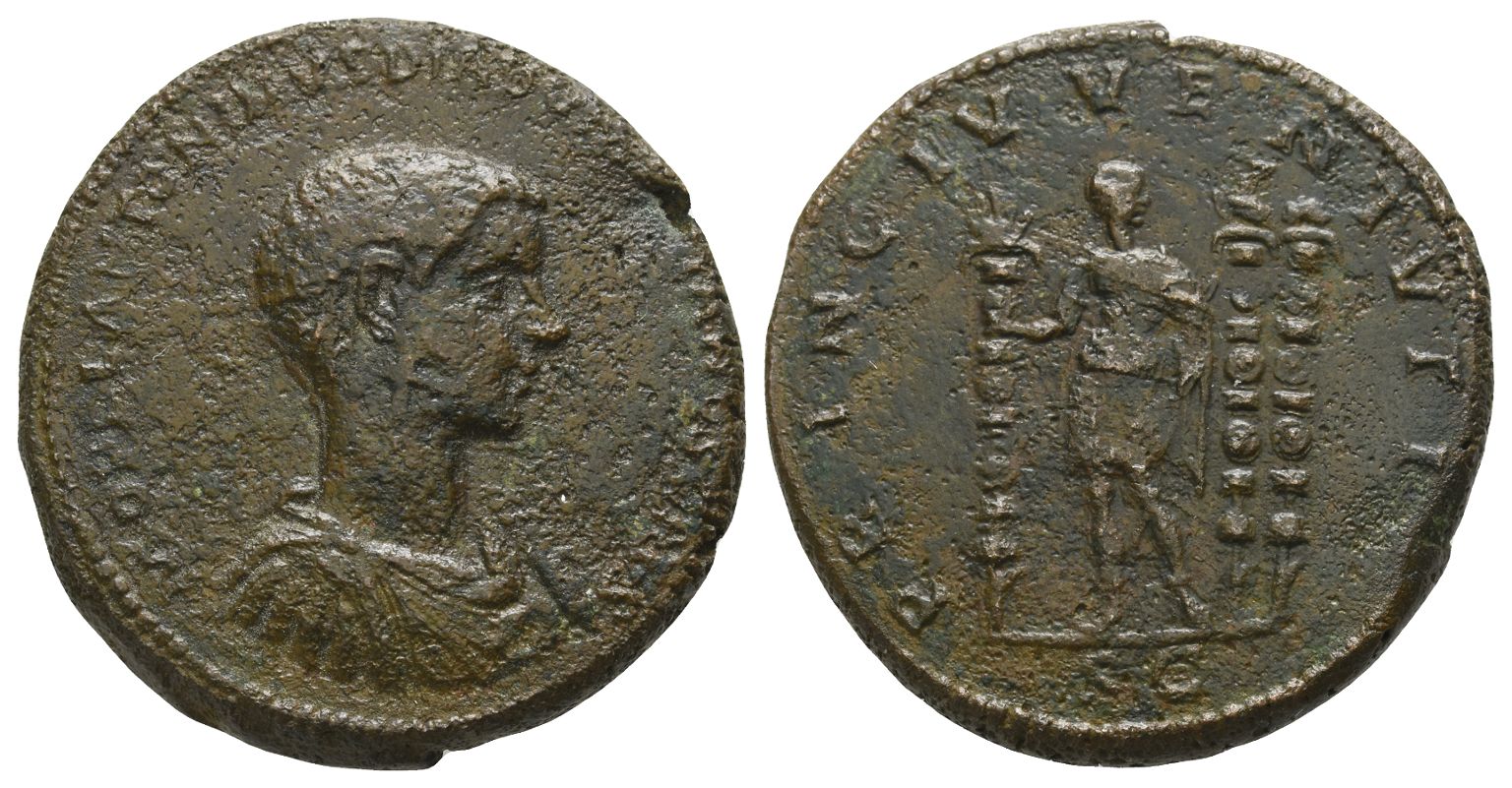
Diadumenian, as Caesar AE Sestertius. AD 217-218.
Rome mint. 2nd emission of Macrinus, AD 217-218. M OPEL ANTONINVS DIADVMENIANVS CAES, bareheaded, draped, and cuirassed bust to right / PRINC IVVENTVTIS, Diadumenian, bareheaded and wearing military attire, standing to left, holding signa in right hand and cradling sceptre in left arm; two signa to right; S C in exergue. RIC IV 211 (Macrinus); Clay Issue 2; Banti 3; BMCRE 151. Near Very Fine.(20.22gr, 32mm, 6h.).
ProvenanceProperty of a North London, UK, gentleman (collector's ticket included).
TimeLine Auctions follows a vetting process to ensure the authenticity and legality of all items, reinforcing our commitment to integrity and responsible trading. Each antiquity, antique, and coin lot undergoes thorough examination by a vetting committee of at least ten external specialists, professional trade association members, scientists, and archaeologists: Our Vetting Process
AUCTIONS:
TimeLine is a leading auction house specialising in antiquities, ancient art, collectables, natural history, coins, medals, and books. Our auctions offer museums, collectors, historians, and enthusiasts the opportunity to acquire unique and historically significant pieces.
-
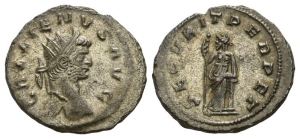
Gallienus BI Antoninianus. AD 253-268.
Sold for (Inc. bp): £20
Rome mint; struck AD 265-267. GALLIENVS AVG, radiate head to right / SECVRIT PERPET, Securitas standing facing, head to left, legs crossed, leaning on short column and holding sceptre. RIC V.1 516 (Mediolanum, sole reign); MIR 591w; RSC 962. 4.44gr, 22mm, 12h.
Near Extremely Fine.
Property of a Cambridgeshire, UK, gentleman. -
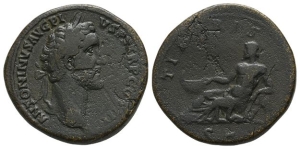
Antoninus Pius AE Sestertius. AD 138-161.
Sold for (Inc. bp): £33
Rome mint; struck AD 140. ANTONINVS AVG PIVS P P TR P COS III, laureate head to right / TIBERIS, Tiber reclining to left, leaning on urn which pours out water, resting right hand on prow and holding reed; S C in exergue. RIC III 642a; Cohen 819; BMCRE 1313. 28.04gr, 33 mm, 7h.
Near Very Fine.
Property of a private Norwich, UK, collector. -
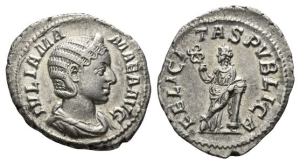
Julia Mamaea, Augusta AR Denarius. AD 222-235.
Sold for (Inc. bp): £85
Rome mint; struck AD 228. IVLIA MAMAEA AVG, diademed and draped bust to right / FELICITAS PVBLICA, Felicitas standing facing, head to left, with legs crossed, holding caduceus with her right hand and leaning on column with left. RIC IV 335 (Alexander); BMCRE 483 and 485 (Alexander); RSC 17. 2.87gr, 21mm, 2h.
Extremely Fine.
Property of a gentleman; acquired in the UK before 2000.
