
Loading, please wait...
_900x900.jpg "Deep Purple Amethyst Crystal Cluster Formation")
_200x200.jpg "Deep Purple Amethyst Crystal Cluster Formation")
.jpg "Deep Purple Amethyst Crystal Cluster Formation")
LOT 0414
Deep Purple Amethyst Crystal Cluster Formation
20 1/2 in. (10 kg total, 53 cm high including stand).
A cut section of beautifully layered amethyst crystals with orange druse, polished stalactite formations on the field formed of green celadonite, red-brown agate and white quartz; mounted on a custom-made display stand.
ProvenanceFrom Artigas, Uruguay.
Property of a London lady.
TimeLine Auctions follows a vetting process to ensure the authenticity and legality of all items, reinforcing our commitment to integrity and responsible trading. Each antiquity, antique, and coin lot undergoes thorough examination by a vetting committee of at least ten external specialists, professional trade association members, scientists, and archaeologists: Our Vetting Process
AUCTIONS:
TimeLine is a leading auction house specialising in antiquities, ancient art, collectables, natural history, coins, medals, and books. Our auctions offer museums, collectors, historians, and enthusiasts the opportunity to acquire unique and historically significant pieces.
LOT 0414
Deep Purple Amethyst Crystal Cluster Formation
Estimate £1,500 - 2,000€1,740 - 2,320 (for guidance only)$2,030 - 2,700 (for guidance only)
-
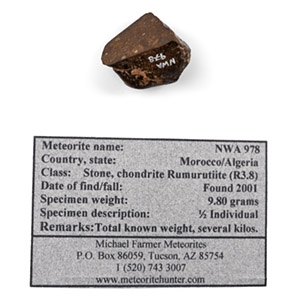
NWA 978 Rumuruti R3.8 Cut and Polished Chondrite Meteorite
Sold for (Inc. bp): £72
With one cut and polished face; rare. 9.76 grams, 23 mm
Found Erfoud, Morocco/Algeria, North West Africa in 2001. Ex Michael Farmer Meteorites, Tucson, Arizona, USA. From the private collection of a Leicestershire, UK, gentleman. Accompanied by a Michael Farmer dealer card and supplied in a Swiss membrane box. -
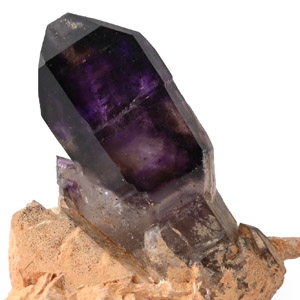
Amethyst Crystal Mineral Display Specimen
Sold for (Inc. bp): £91
A cluster of dark purple amethyst crystals. 28 grams, 44 mm
Property of a North West London, UK, lady. -
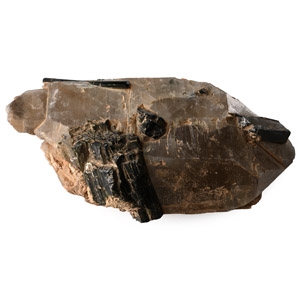
Tourmaline Crystals on Quartz Mineral Display Specimen
Sold for (Inc. bp): £59
Dark green to almost black tourmaline crystals on quartz. 4.7 kg, 29 cm
Property of a North West London, UK, lady.
