
Loading, please wait...

LOT 2608
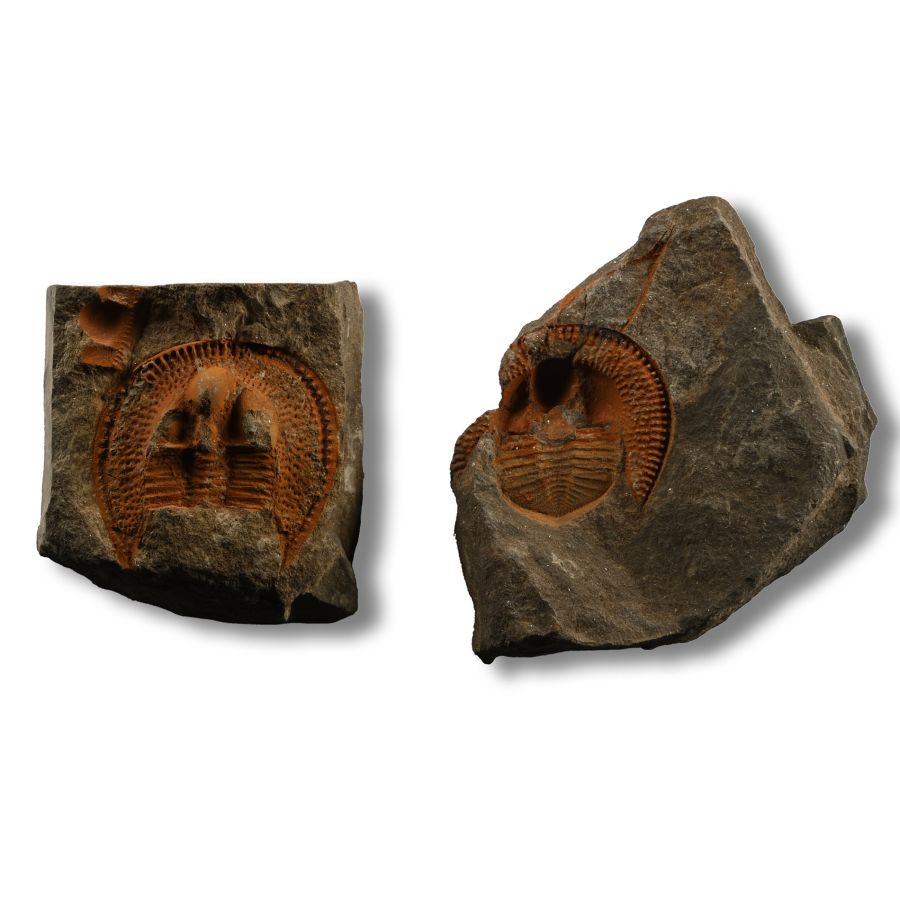
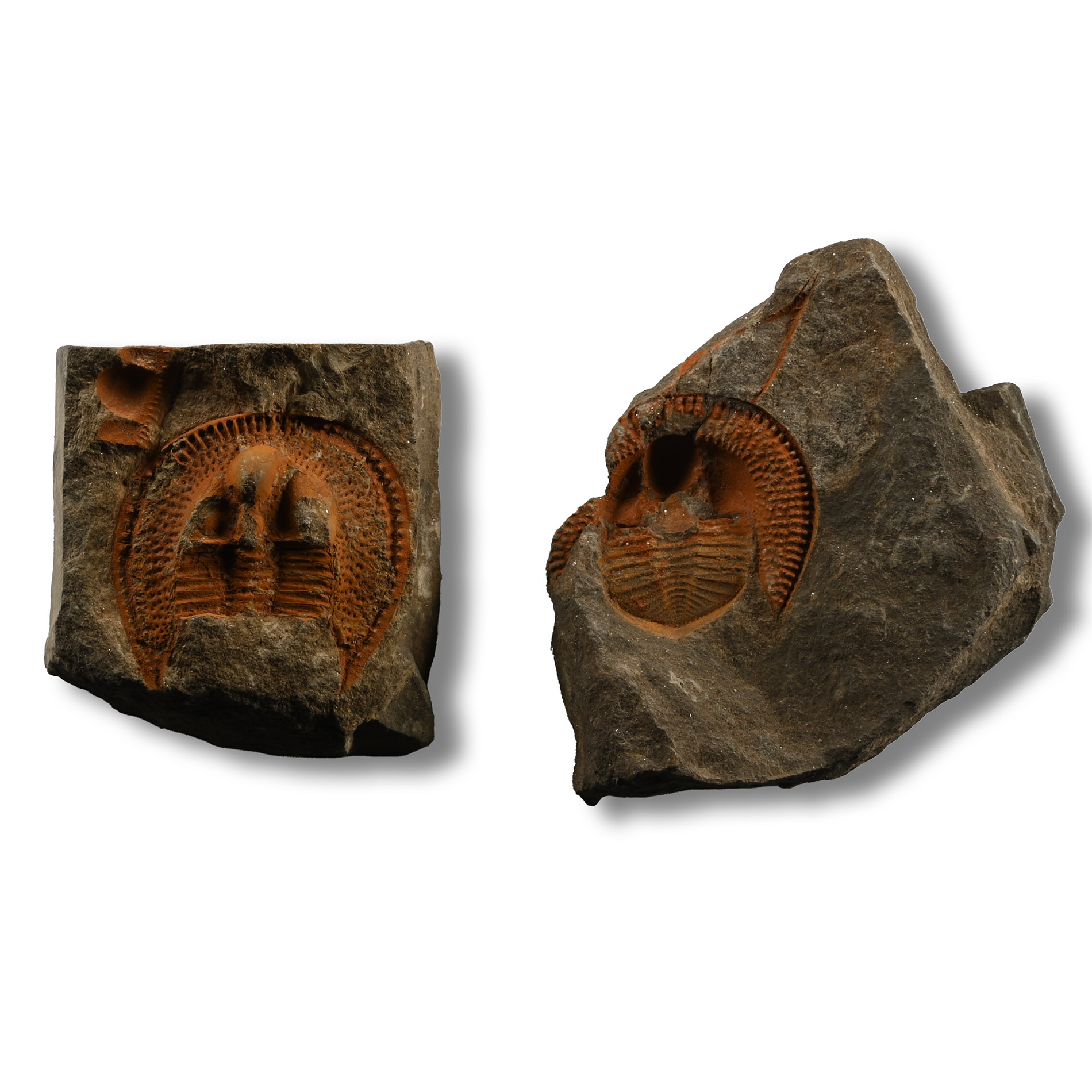
Declivolthus Fossil Trilobite Group
ORDOVICIAN PERIOD, CIRCA 485-444 MILLION YEARS B.P.
1 3/4 - 2 3/8 in. (148 grams total, 45-62 mm).
Comprising a positive and a negative impression of Declivolithus sp. [2, No Reserve]
ProvenanceFrom Morocco, North Africa.
Property of an Essex, UK, gentleman.
TimeLine Auctions follows a vetting process to ensure the authenticity and legality of all items, reinforcing our commitment to integrity and responsible trading. Each antiquity, antique, and coin lot undergoes thorough examination by a vetting committee of at least ten external specialists, professional trade association members, scientists, and archaeologists: Our Vetting Process
AUCTIONS:
TimeLine is a leading auction house specialising in antiquities, ancient art, collectables, natural history, coins, medals, and books. Our auctions offer museums, collectors, historians, and enthusiasts the opportunity to acquire unique and historically significant pieces.
-
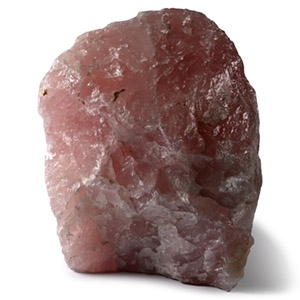
Massive Rose Quartz Boulder
Sold for (Inc. bp): £7
A large irregular boulder displaying some good lustre. 4.54 kg, 18 cm
From Madagascar. Ex Mineral Imports, London, UK. Gregory, Bottley & Lloyd (Gregory's), Harwich, UK. -
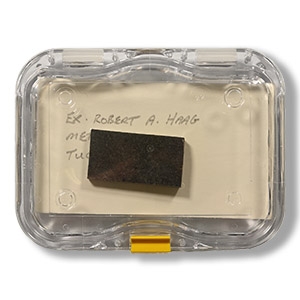
Hvittis Finland EL6 Enstatite Chondrite Meteorite Section
Fell 1901 A.D.Sold for (Inc. bp): £338
Cut and polished rectangular section E6; in a Swiss membrane box with dealer's card. 11.4 grams, 35 mm
Found in Huittinen, Satakunta, Finland. From the collection of Jay Cassara. Ex Robert Haag collection, Tucson, AZ, USA. From a Leicestershire, UK, collection.
The meteorite was found just three days after a very loud fall, and it is the second most massive low-iron Enstatite chondrite. -
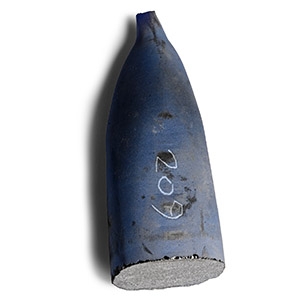
Large Historic Spinel (209) Crystal Sample
Sold for (Inc. bp): £33
A conical blue specimen with pencilled '209' to one side. 48 grams, 56 mm
Ex Mineral Imports, London, UK. Gregory, Bottley & Lloyd (Gregory's), Harwich, UK.
