
Loading, please wait...


LOT 2931
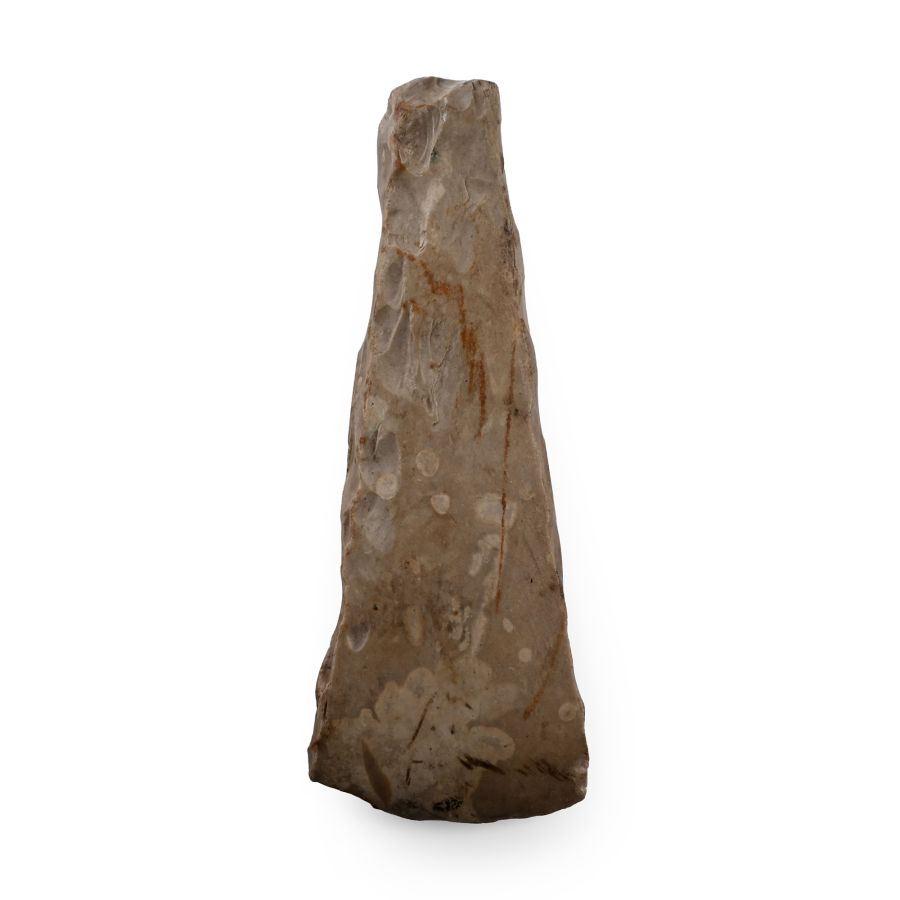
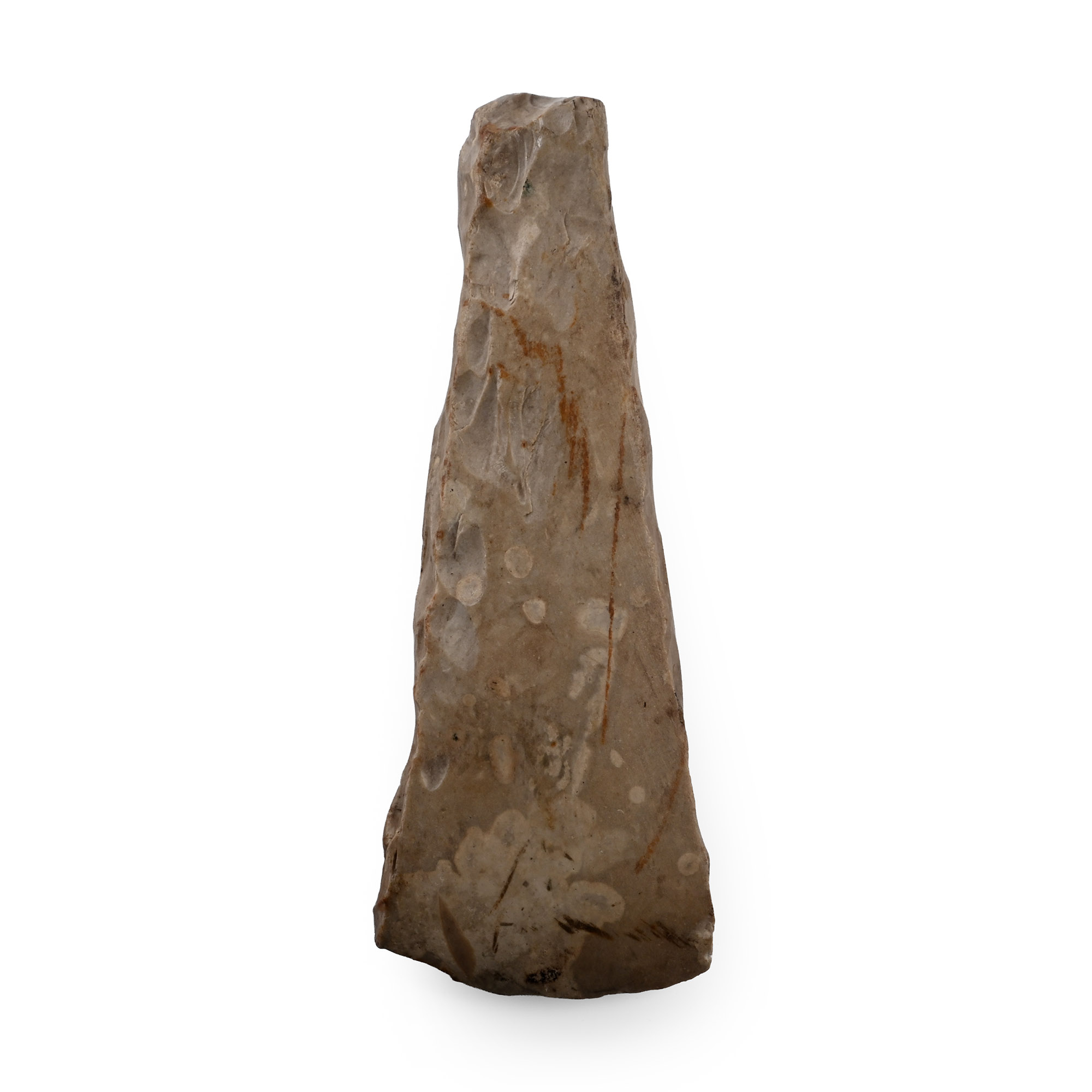
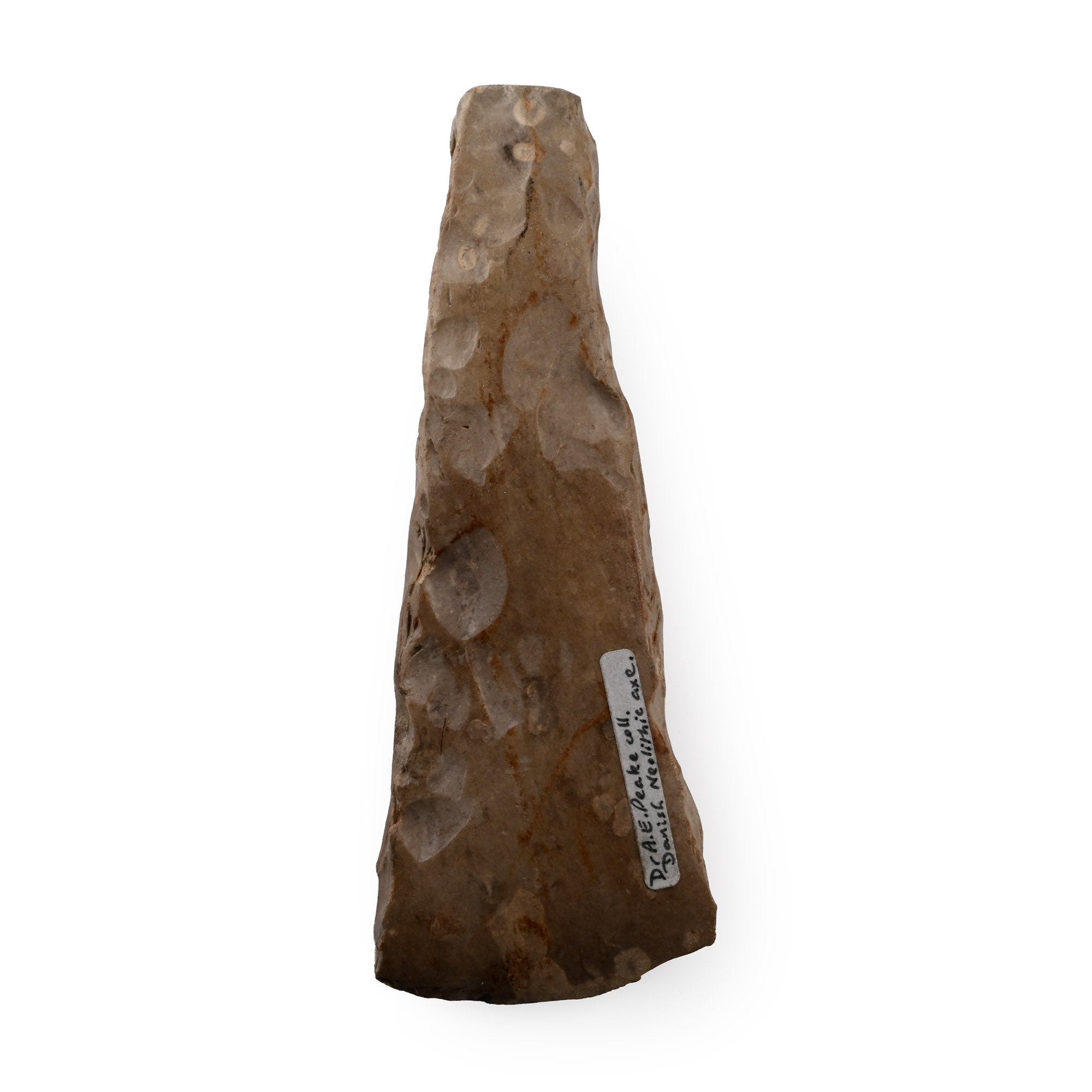
Danish Stone Age Knapped Thick-Butted Polished Axehead
NEOLITHIC PERIOD, CIRCA 6,000 B.P.
5 3/8 in. (190 grams, 13.5 cm).
Rectangular-section shank flaring to a broad cutting edge, square butt; a handwritten label reading 'Dr. A.E.Peake coll., Danish Neolithic axe' [No Reserve]
ProvenanceFrom the collection of Dr A.E.Peake.
From the private collection of Peter Clayton, FCILIP, Dip, Arch, FSA, FRNS, Hemel Hempstead, Hertfordshire, UK; formed since the late 1950s.
TimeLine Auctions follows a vetting process to ensure the authenticity and legality of all items, reinforcing our commitment to integrity and responsible trading. Each antiquity, antique, and coin lot undergoes thorough examination by a vetting committee of at least ten external specialists, professional trade association members, scientists, and archaeologists: Our Vetting Process
AUCTIONS:
TimeLine is a leading auction house specialising in antiquities, ancient art, collectables, natural history, coins, medals, and books. Our auctions offer museums, collectors, historians, and enthusiasts the opportunity to acquire unique and historically significant pieces.
LOT 2931
Danish Stone Age Knapped Thick-Butted Polished Axehead
Estimate £120 - 170€140 - 200 (for guidance only)$160 - 230 (for guidance only)
Opening Bid
£5 (EUR 6; USD 7) +BP*
-
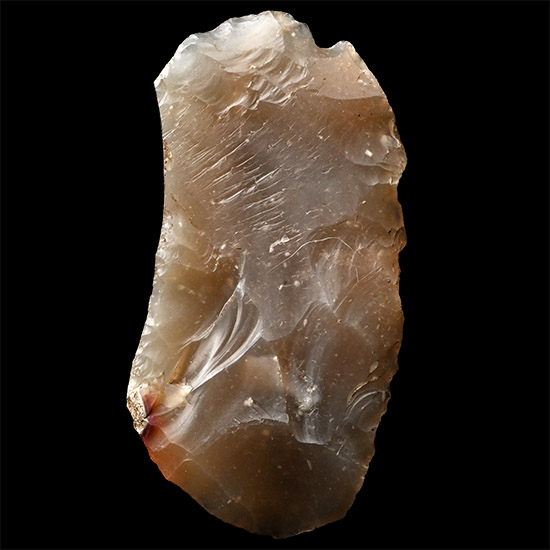
Icklingham British Stone Age Knapped Flint Scraper
Neolithic Period, circa 6,000 B.P.Estimate: £40 - 60 (+bp*)
Opening Bid: £5
Rectangular-shaped in plan and plano-convex in profile, with rounded ends. 12.8 grams, 53.5 mm
Found Icklingham, Suffolk, UK. From a private collection. -
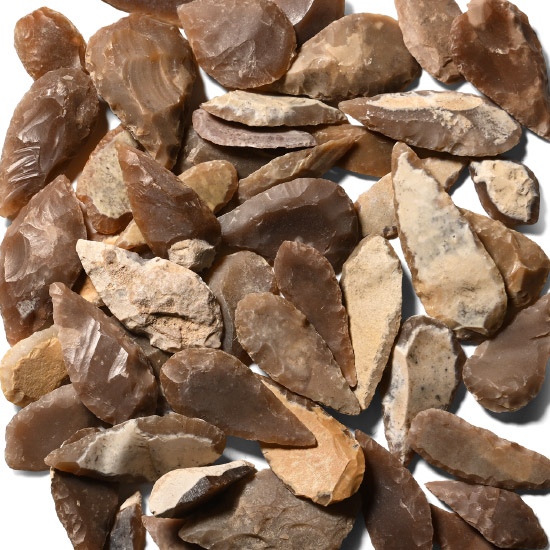
Stone Age Mixed Type Arrowhead Collection
Neolithic Period, circa 6th-4th millennium B.C.Estimate: £50 - 70 (+bp*)
Opening Bid: £5
Comprising mostly bifacial and uniface leaf-shaped and piriform flint and chert arrowheads; probably from the Sahara region of North Africa. 111 grams total, 19-42 mm
Ex UK gallery, early 2000s. -
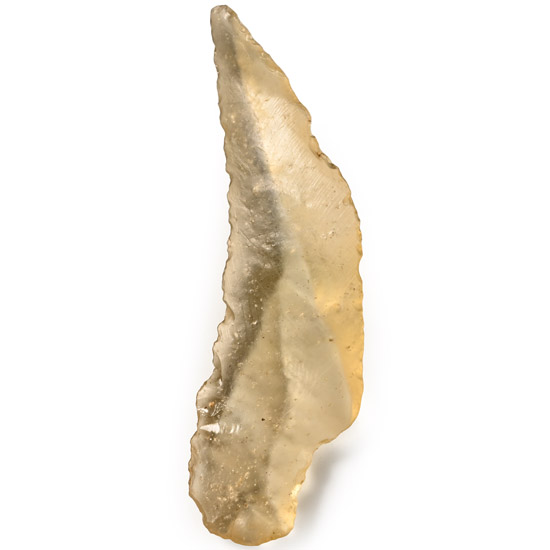
Libyan Desert Glass Blade
Neolithic Period, circa 6000 B.P.Estimate: £40 - 60 (+bp*)
Opening Bid: £5
Formed as a slightly curved, slender triangular blade with a rounded butt. 1.65 grams, 42.8 mm
Acquired on the UK art market. From the private collection of an East Anglian, UK, collector.
Libyan desert glass formed approximately 29 million years ago when an intense, high-energy cosmic event instantly melted quartz-rich desert sand in the Sahara, which then rapidly cooled into high-purity silica glass.
