
Loading, please wait...
LOT 0553
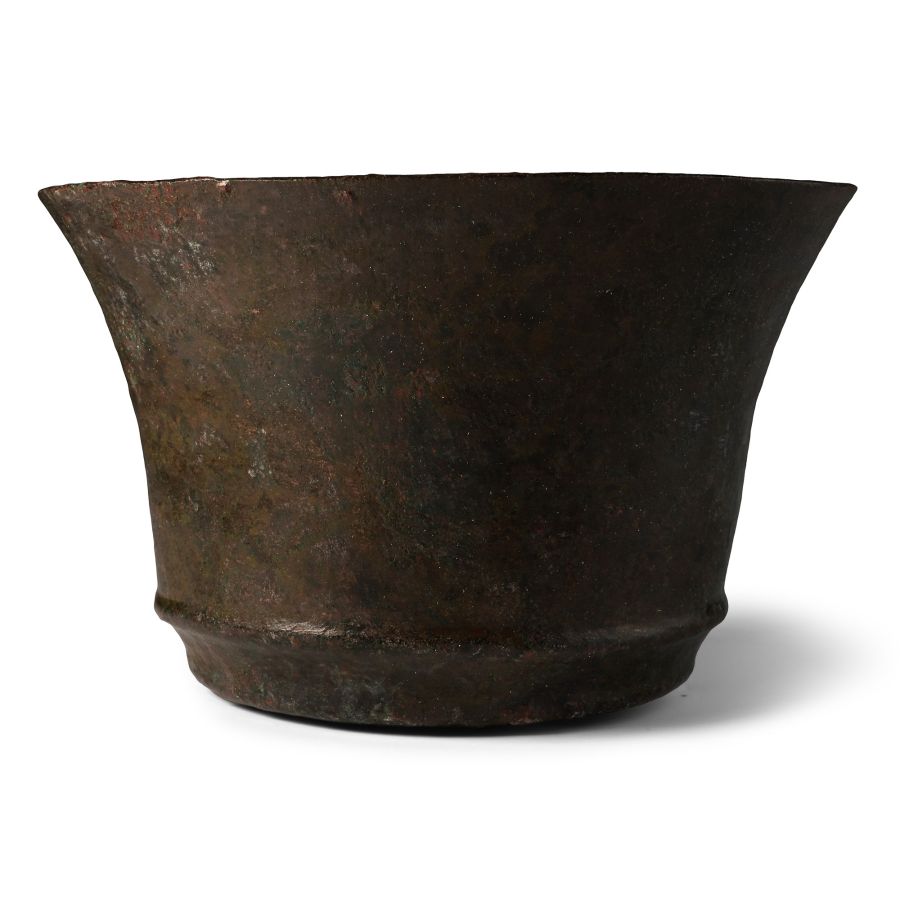
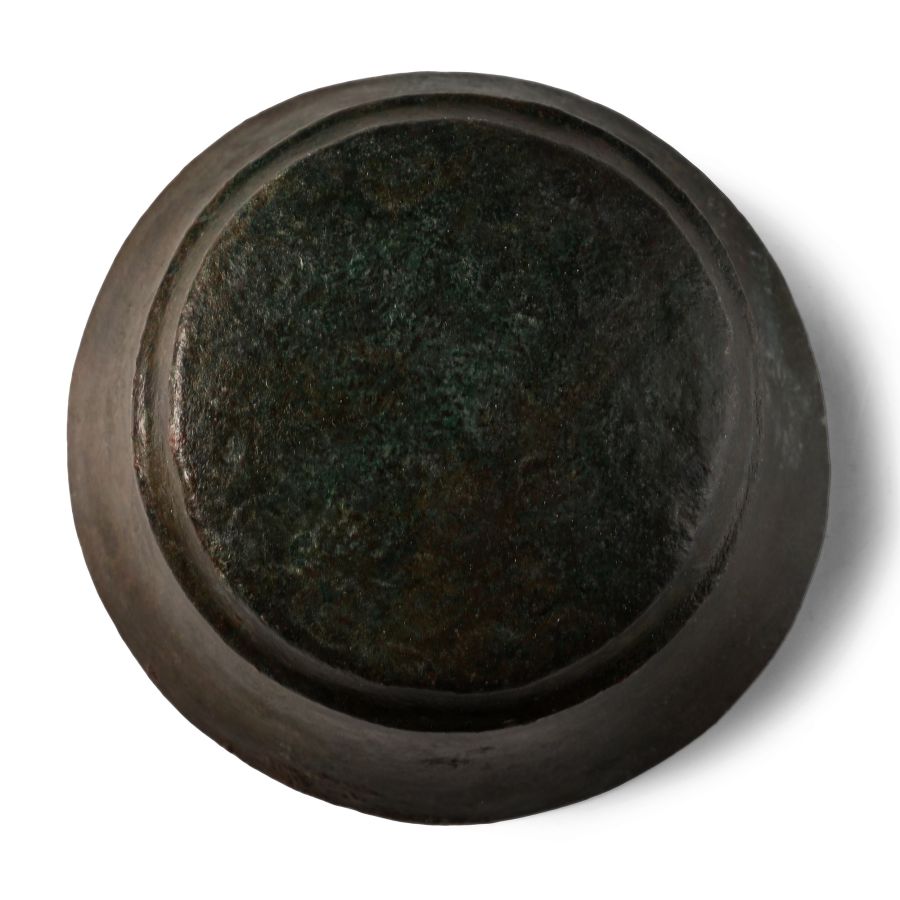
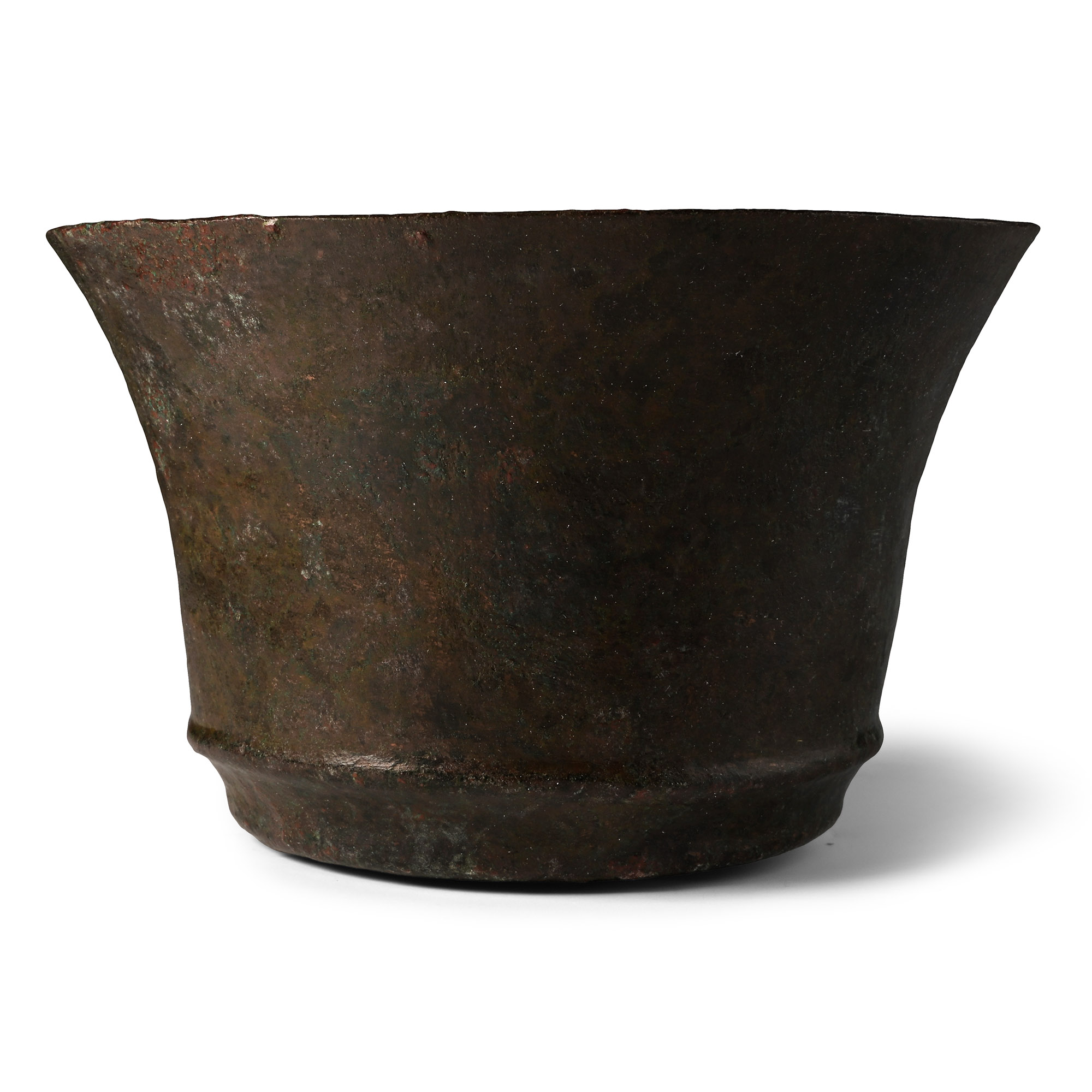
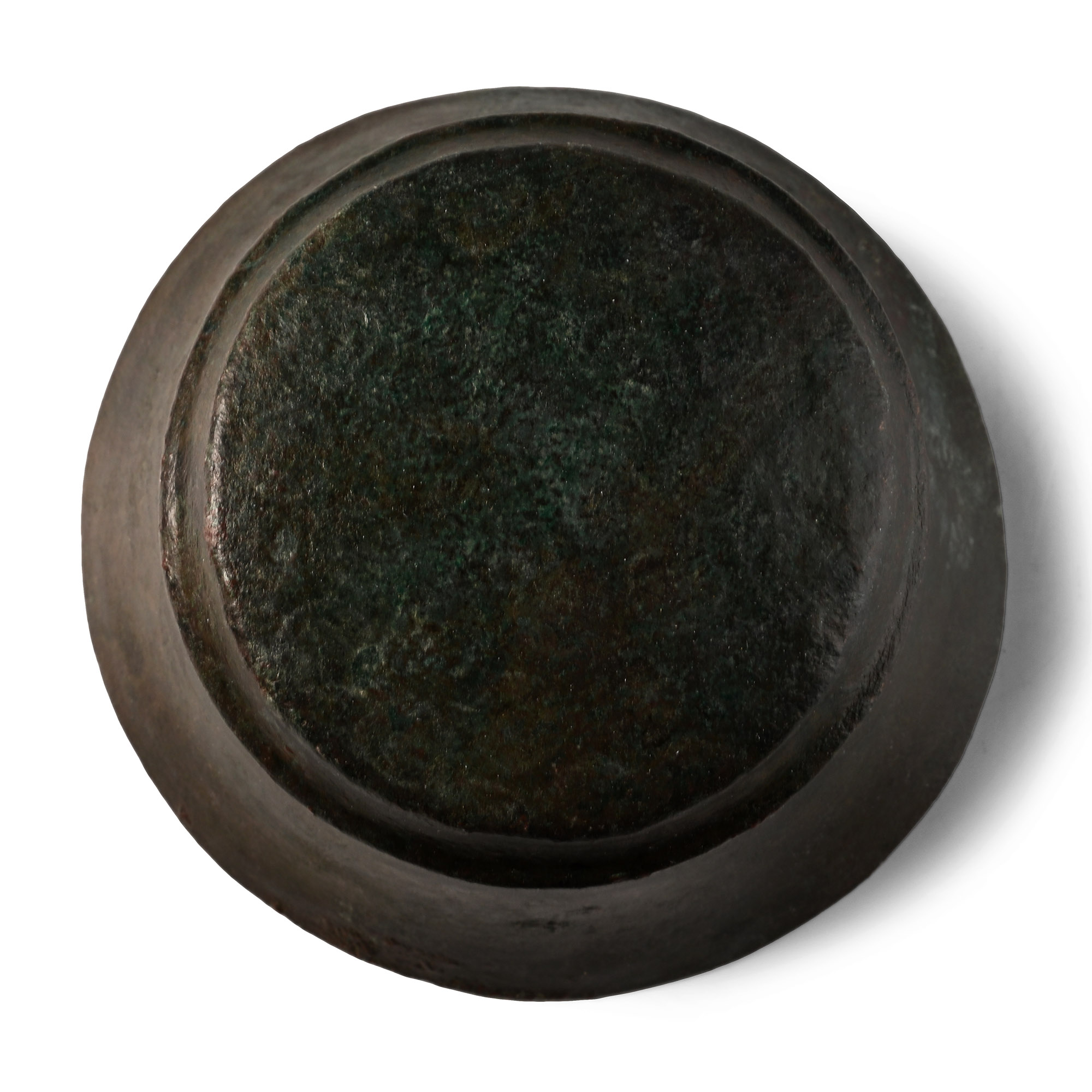
Cypro-Phoenician Bronze Cup
6TH-4TH CENTURY B.C.
4 3/8 in. (144 grams, 11.2 cm).
Bell-shaped in profile with carination above the foot.
ProvenanceEx property of a London, UK, gentleman, Mayfair gallery, 1990s.
CONDITIONTimeLine Auctions follows a vetting process to ensure the authenticity and legality of all items, reinforcing our commitment to integrity and responsible trading. Each antiquity, antique, and coin lot undergoes thorough examination by a vetting committee of at least ten external specialists, professional trade association members, scientists, and archaeologists: Our Vetting Process
AUCTIONS:
TimeLine is a leading auction house specialising in antiquities, ancient art, collectables, natural history, coins, medals, and books. Our auctions offer museums, collectors, historians, and enthusiasts the opportunity to acquire unique and historically significant pieces.
LOT 0553
Cypro-Phoenician Bronze Cup
Estimate £180 - 240€210 - 280 (for guidance only)$240 - 320 (for guidance only)
-
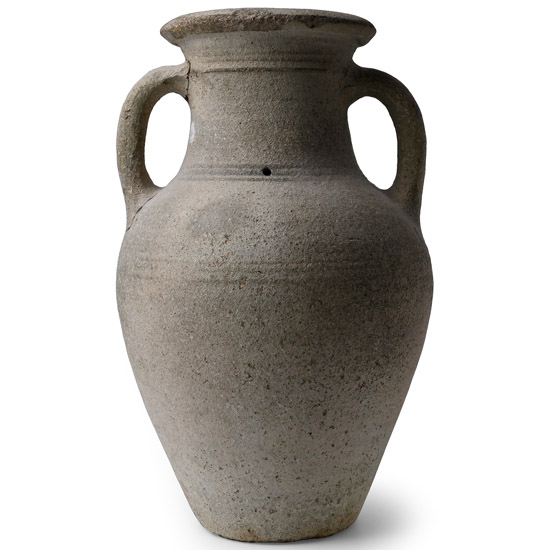
Punic Buff Ware Two-Handled Vase
Circa 100 B.C.Sold for (Inc. bp): £143
Ovoid body with flat base and a cylindrical neck with flared rim, two handles on the sides and three groups of circumferential bands on the neck and body; repaired. 1.22 kg, 26.4 cm
From the private collection of Mr Brian Edwards, New Malden, Surrey, UK, formed from the late 1970s-early 1980s; thence by descent. Accompanied by the original collector's data sheet with reference no.A83. -
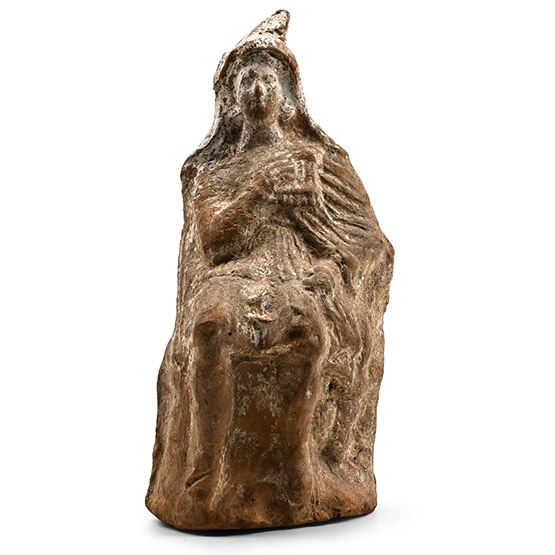
Greek Terracotta Seated Pan
Circa 400 B.C.Sold for (Inc. bp): £546
Hollow-formed statue showing a young pan wearing a short tunic and hooded cloak, holding pipes in his right hand; rectangular slot on the reverse. 205 grams, 15.8 cm
Private collection Mr T.B., Zürich, Switzerland, before 1970. with Galerie Rhéa, Zurich, Switzerland. -
.jpg)
Greek Solid Gold Ring Idol
5th-4th millennium B.C.Sold for (Inc. bp): £2,730
Annular in form with pierced tab. 0.66 grams, 18 mm
Private collection, acquired in the late 1980s-early 1990s; thence by descent.
During the Greek Neolithic, certain types of ornaments share common morphological characteristics; one such example is the so-called ‘ring-idols’. The prototype of these ring-shaped pendants seems to have been made out of gold, which began to be used during these late phases of the Neolithic in Greece and the Balkans, in general.
