
Loading, please wait...

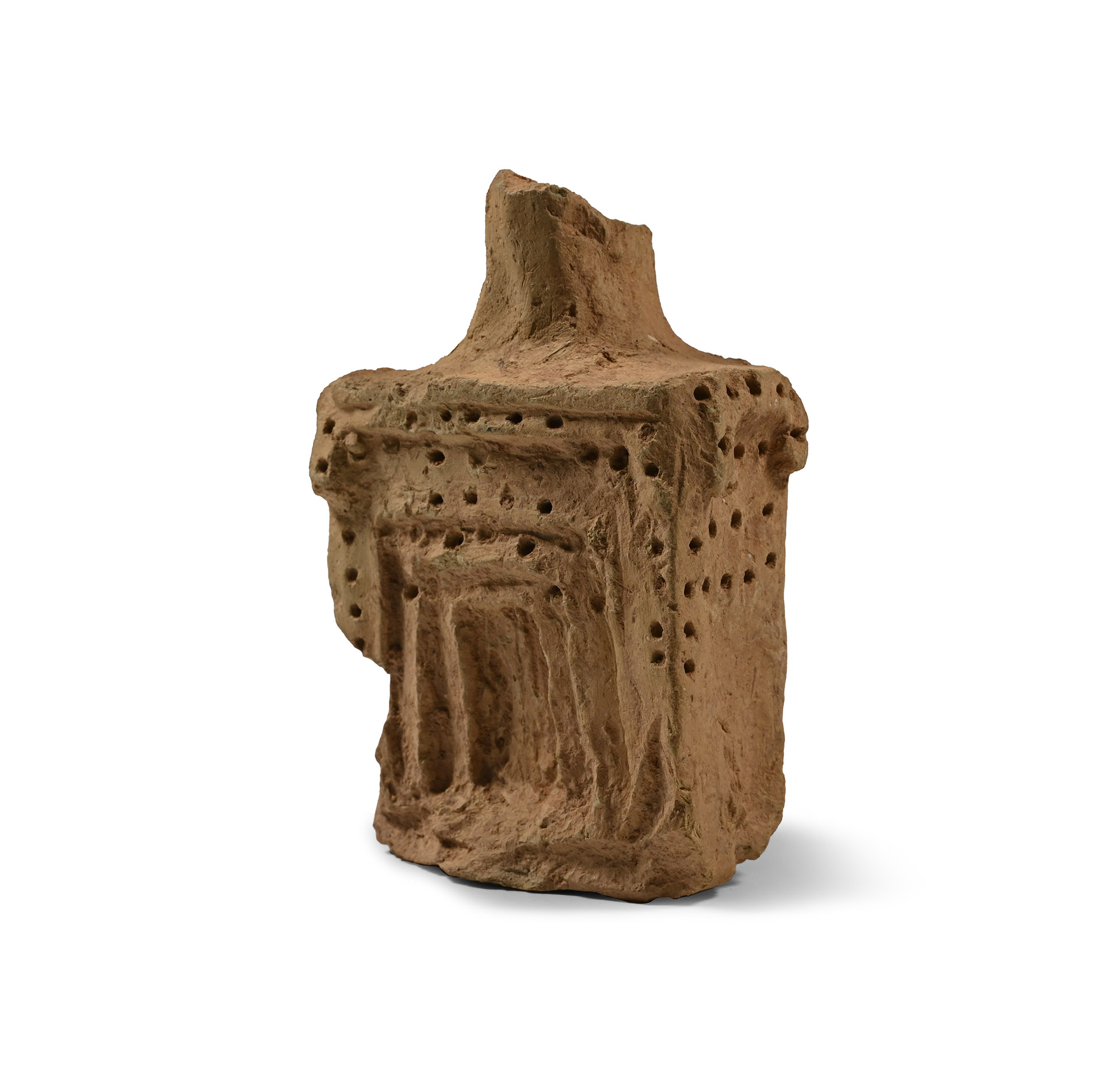
LOT 0579
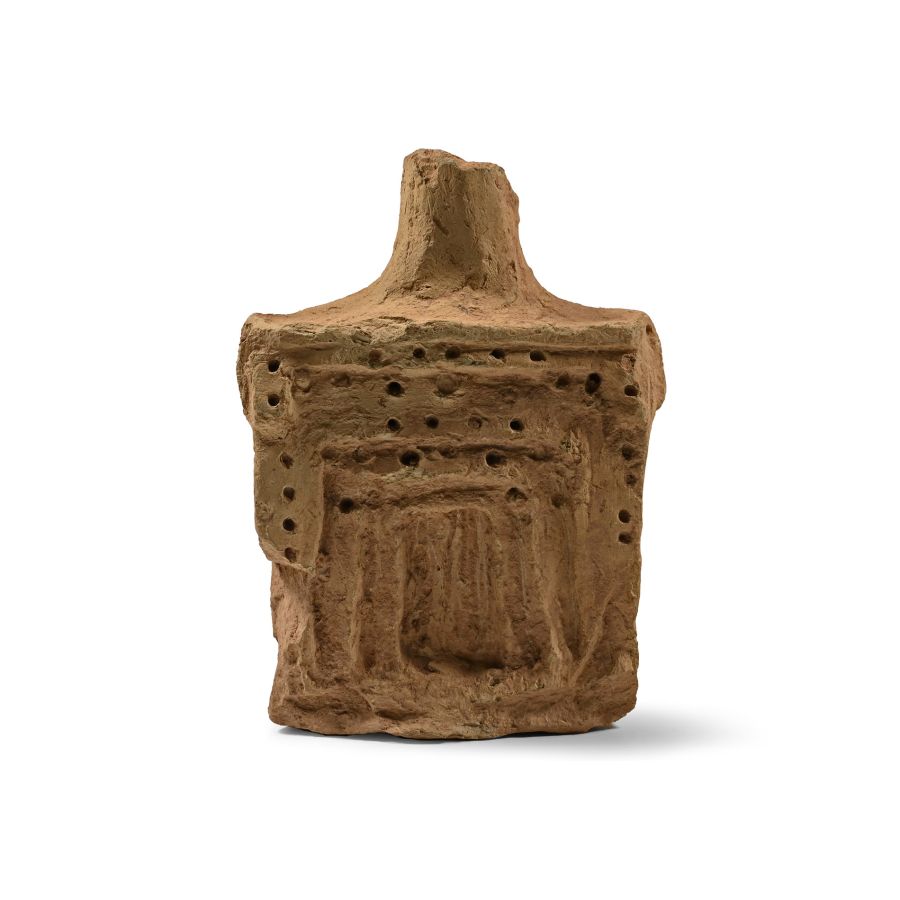
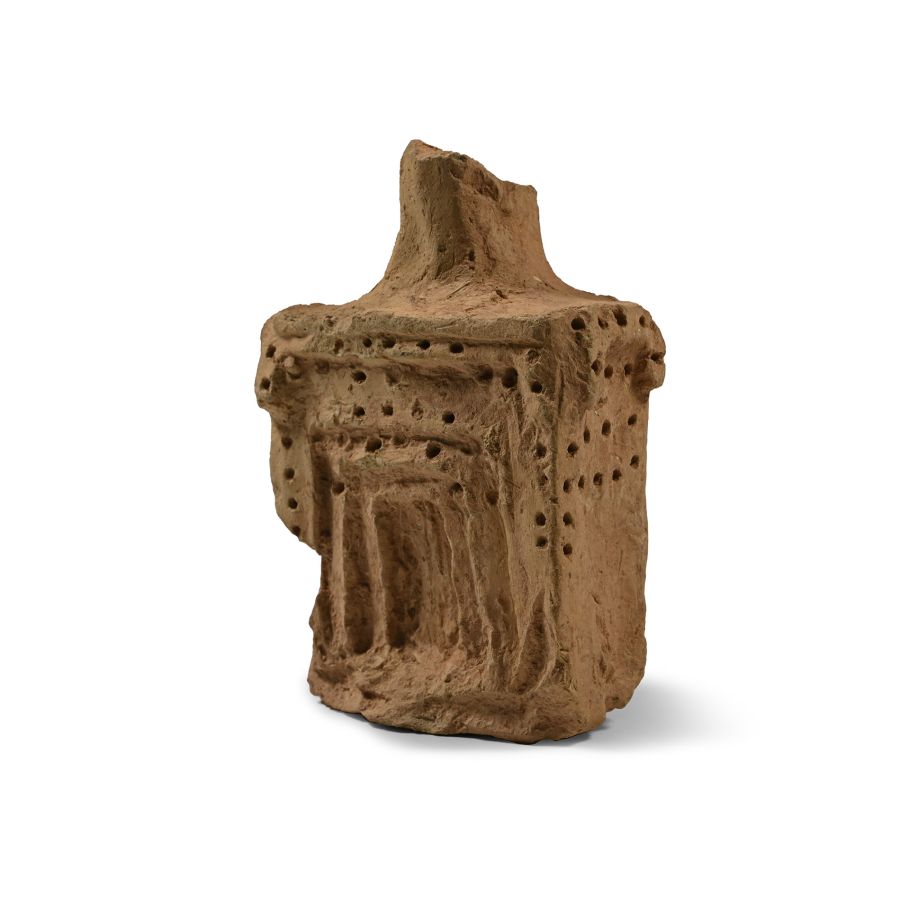
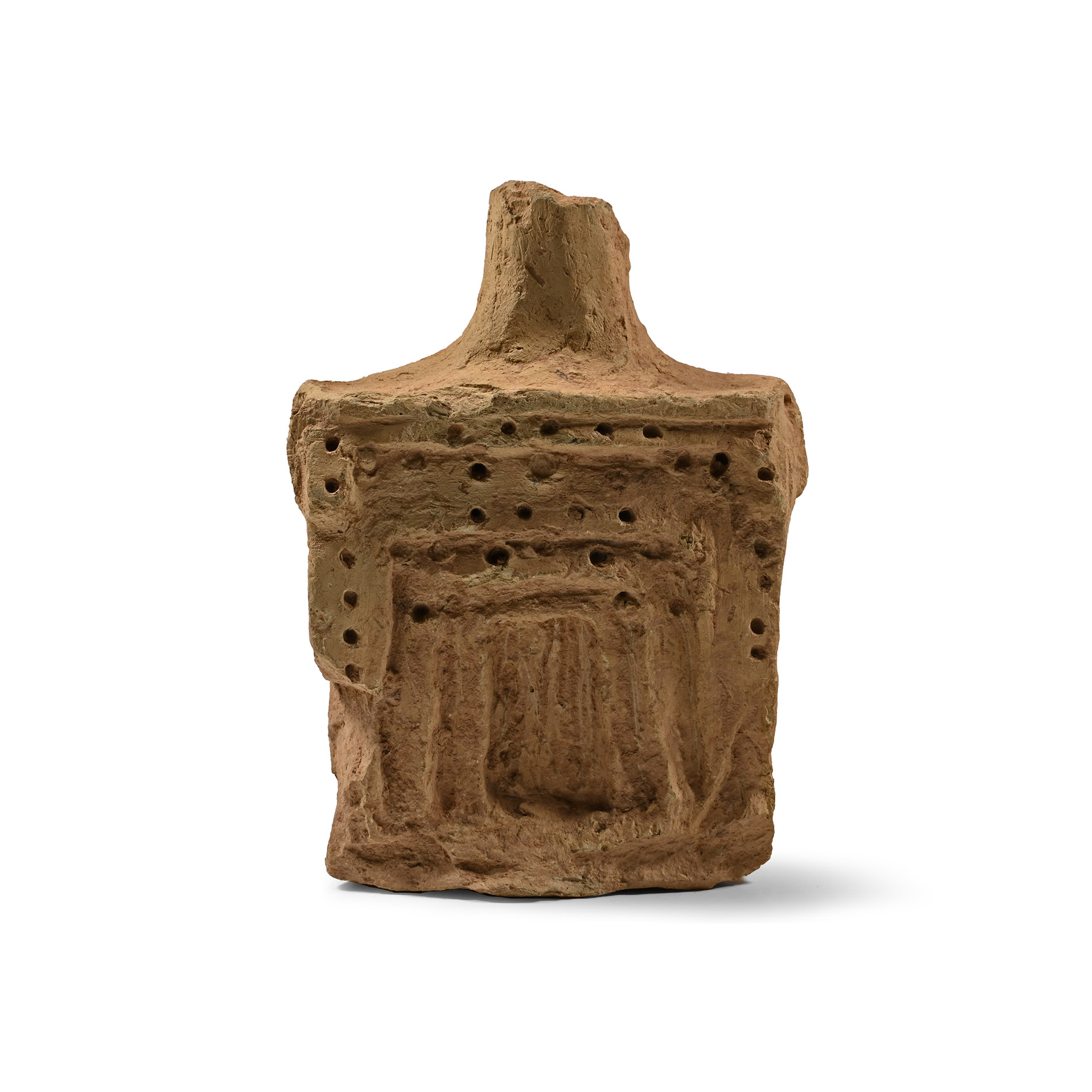
Cypriot Terracotta Model of a Shrine of Astarte
8TH-7TH CENTURY B.C.
3 3/4 in. (211 grams, 97 mm).
Shrine model with dovecote, pointillé detailing and raised framing; old collector's label '5217-43/3' to underside; as found in a shrine of Astarte of Paphos. [No Reserve]
ProvenanceAcquired 1970s-1980s.
From the collection of Paul S. Forbes, Maryland, USA.
Cf. Hardin, D., The Phoenicians, Praeger, 1963, pl.23.
CONDITIONTimeLine Auctions follows a vetting process to ensure the authenticity and legality of all items, reinforcing our commitment to integrity and responsible trading. Each antiquity, antique, and coin lot undergoes thorough examination by a vetting committee of at least ten external specialists, professional trade association members, scientists, and archaeologists: Our Vetting Process
AUCTIONS:
TimeLine is a leading auction house specialising in antiquities, ancient art, collectables, natural history, coins, medals, and books. Our auctions offer museums, collectors, historians, and enthusiasts the opportunity to acquire unique and historically significant pieces.
-
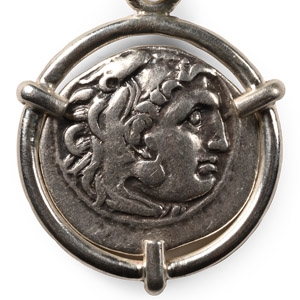
Greek Silver Alexander the Great Drachm Pendant
3rd century B.C. and laterSold for (Inc. bp): £221
Drachm with profile bust of Herakles to obverse, seated figure of Zeus with eagle to reverse; clasp-mounted in a modern silver frame with ring and loop. 7.26 grams, 41 mm
Ex German art market, 2000s. Acquired from an EU collector living in London. From the collection of Surrey, UK, gentleman. -
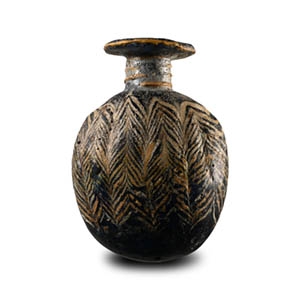
Greek Core-Formed Glass Aryballos
4th-3rd century B.C.Sold for (Inc. bp): £910
Lentoid in plan with rounded base, ribbed sides, short neck with flared and folded rim; dragged and marbered trails to the body, applied trails to the neck. 67.7 grams, 80 mm
Ex Mr Maurice Mathieu, acquired from Asfar, Lebanon, 1960s. with Art Auction, Rémy Le Fur & Associés, 10 October 2012, no.130. Private collection, London. -
.jpg)
Greek and Other Pottery Fragment Group
Circa 1st millennium B.C.Sold for (Inc. bp): £65
Including flange-rimmed bowl, piecrust-based bowl, amphora and other types. 2.9 kg total, 3.5-25.5 cm
From a collection acquired on the UK art market from various auction houses and collections mostly before 2000. From an important Cambridgeshire estate; thence by descent.
