
Loading, please wait...
LOT 0056
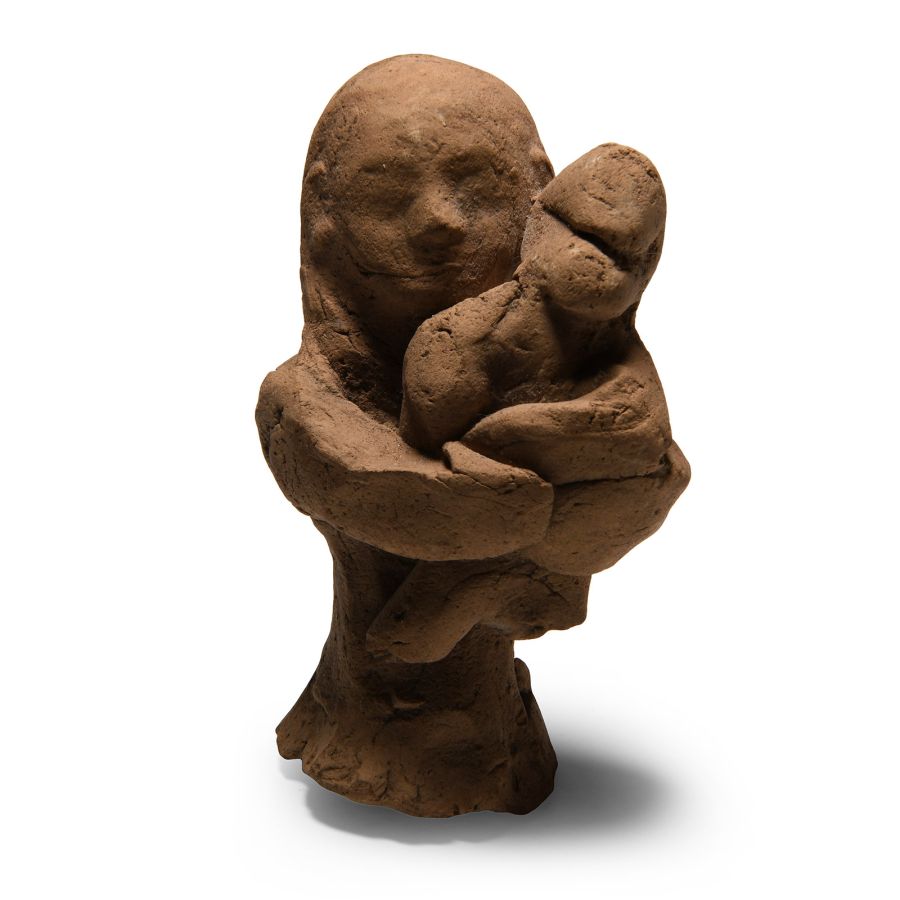
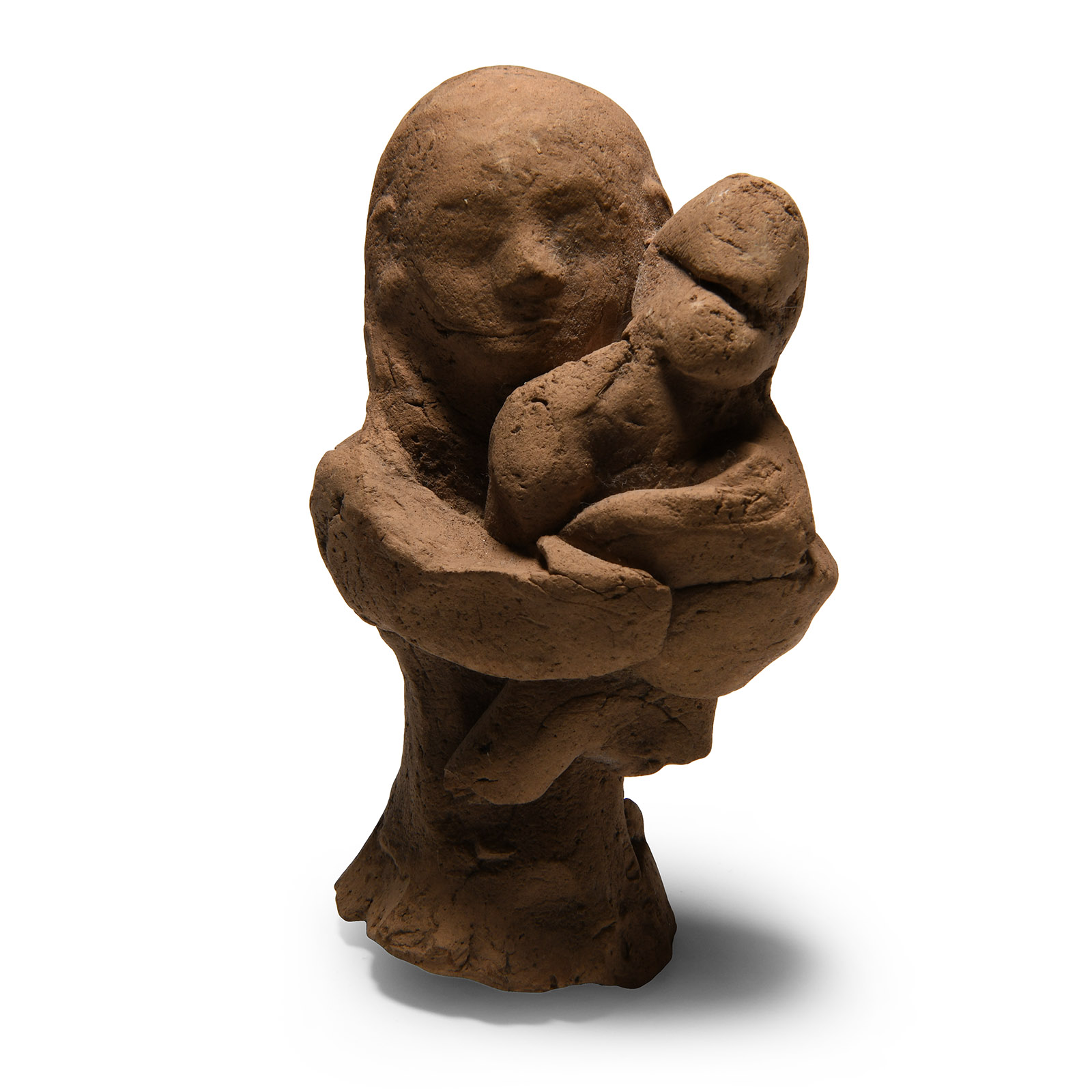
Cypriot Terracotta Female Figurine Holding a Child
650-600 B.C.
3 1/4 in. (87 grams, 82 mm).
With flared base, press-moulded facial detail, irregular arms encircling a naïve figure of a swaddled baby; old inked collector's number '113' to reverse and label with same; later drilled hole to underside. [No Reserve]
ProvenanceCollection of Louis-Gabriel Bellon (1819-1899), Saint-Nicolas-lez-Arras and Rouen, thence by descent.
with Millon & Associes Auctions, Paris, 6th December 2021, lot 41 [Part].
TimeLine Auctions follows a vetting process to ensure the authenticity and legality of all items, reinforcing our commitment to integrity and responsible trading. Each antiquity, antique, and coin lot undergoes thorough examination by a vetting committee of at least ten external specialists, professional trade association members, scientists, and archaeologists: Our Vetting Process
AUCTIONS:
TimeLine is a leading auction house specialising in antiquities, ancient art, collectables, natural history, coins, medals, and books. Our auctions offer museums, collectors, historians, and enthusiasts the opportunity to acquire unique and historically significant pieces.
-
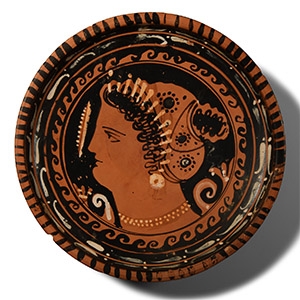
Greek Red Figure Dish with Lady of Fashion
South Italian, circa 380-350 B.C.Sold for (Inc. bp): £611
With pedestal foot, decorated with radiating strokes to the rim, band of leaf ornament surrounding the central profile of a lady of fashion facing left, her hair dressed in a ribboned sakkos with stephane; earrings and necklace in white and ochre. 187 grams, 16.5 cm wide
Acquired by the vendor's father in the 1950s or before; thence by descent 2003. -
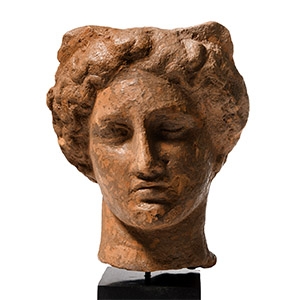
Greek Terracotta Head of a Woman
3rd-2nd century B.C.Sold for (Inc. bp): £2,860
With elaborate band of curls to the brow; spout or hole to the rear of the head; mounted on a custom-made display stand with old lot sticker to base. 675 grams total, 19 cm high including stand
Private European collection. with Genève Enchères, 12th December 2017, lot 861. This lot has been checked against the Interpol Database of stolen works of art and is accompanied by search certificate no.11612-199036. -
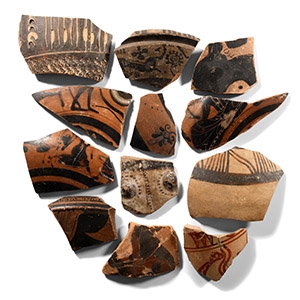
Greek Terracotta Vessel Fragment Group
Circa 7th-3rd century B.C.Sold for (Inc. bp): £442
Comprising a variety decorated fragments including: four figural black-figure fragments; one with raised line decoration; one with raised bosses; a fragment with a gazelle facing back; one with painted motifs in red; and three other fragments with painted motifs. 264 grams total, 5.3-10.5 cm
Acquired early 20th century. Ex property of UK lady by descent. Property of a Nottinghamshire gentleman.
