
Loading, please wait...


LOT 0561
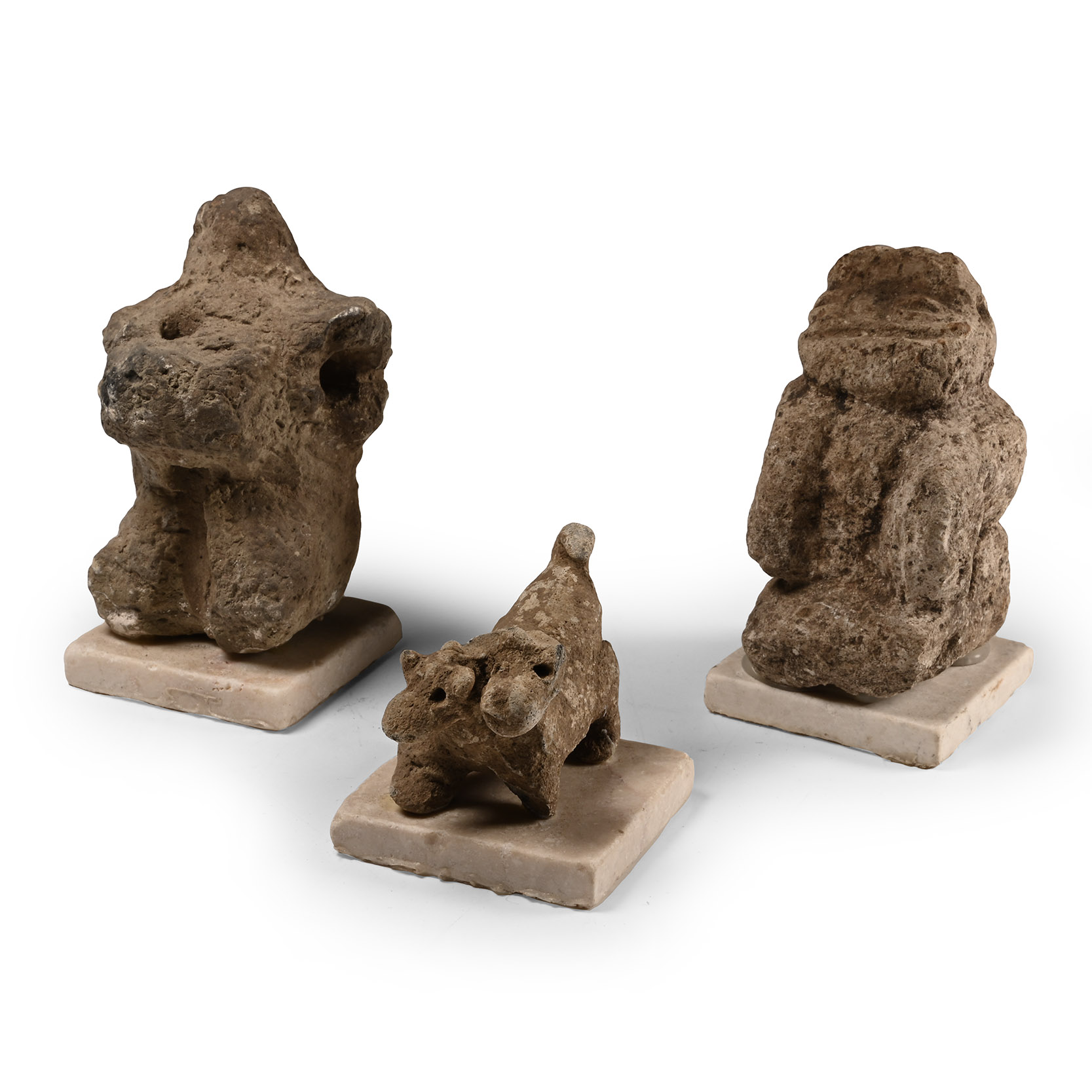
Cypriot and Other Idol Group
1ST MILLENNIUM B.C. AND LATER
2 - 3 5/8 in. (480 grams total, 52-91 mm including stand).
Including a two-headed dog, a crouching female and a kneeling figure with vertical piercing; each mounted on a ceramic base. [3, No Reserve]
ProvenanceFrom a collection acquired on the UK art market from various auction houses and collections mostly before 2000.
From an important Cambridgeshire estate; thence by descent.
TimeLine Auctions follows a vetting process to ensure the authenticity and legality of all items, reinforcing our commitment to integrity and responsible trading. Each antiquity, antique, and coin lot undergoes thorough examination by a vetting committee of at least ten external specialists, professional trade association members, scientists, and archaeologists: Our Vetting Process
AUCTIONS:
TimeLine is a leading auction house specialising in antiquities, ancient art, collectables, natural history, coins, medals, and books. Our auctions offer museums, collectors, historians, and enthusiasts the opportunity to acquire unique and historically significant pieces.
-
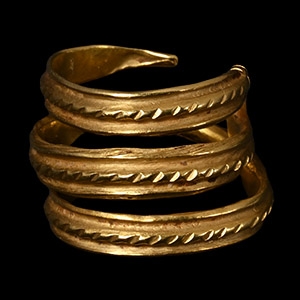
Etruscan Gold Spiral Ring
8th-3rd century B.C.Sold for (Inc. bp): £780
Comprising a D-section band with median band of raised ropework; S-curved format. 5.45 grams, 19.01 mm overall, 15.21 mm internal diameter (approximate size British F, USA 2 3/4, Europe 3.67, Japan 3)
with Arts d'Orient Archaeology, Paris, 7 June 2006, no. 556. Ex Galerie Dominique Thirion, Brussels, Belgium. From the private collection of Mr K.A. -
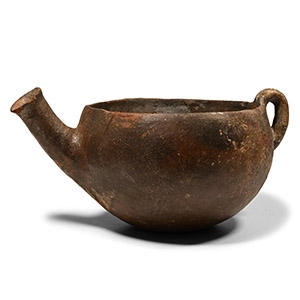
Large Cypriot Red Burnished Ware Spouted Bowl
Early Bronze Age I-III, circa 2300-2000 B.C.Sold for (Inc. bp): £169
Hemispherical in profile with bifid loop handle to the rim, slightly curved spout with flared mouth. 1.43 kg, 32.5 cm wide
From a collection acquired on the UK art market from various auction houses and collections mostly before 2000. From an important Cambridgeshire estate; thence by descent. -
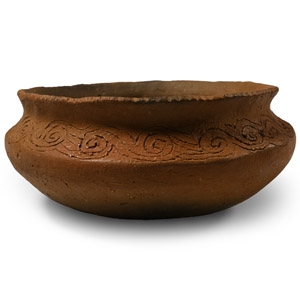
Hellenistic Bowl with Wave Design
2nd-1st century B.C.Sold for (Inc. bp): £52
With rounded underside and carinated shoulder, flared rim; incised guilloche or wave motif to the shoulder. 230 grams, 12.2 cm
From a family collection mostly formed in the 1940s-1950s, thence by descent.
