
Loading, please wait...
_900x900.jpg "Cylinder Seal Electrotype Group")
_200x200.jpg "Cylinder Seal Electrotype Group")
.jpg "Cylinder Seal Electrotype Group")
LOT 2023
Cylinder Seal Electrotype Group
LATE 19TH-EARLY 20TH CENTURY A.D.
1 - 1 7/8 in. (231 grams total, 27-47 mm).
Of academic interest, copper coated lead seal impressions taken from cylinder seals, containing various different motifs. [14, No Reserve]
ProvenancePossibly made by the British Museum.
From a West Country, UK, private collection.
Cf. for similar Achaemenid seal Boardman, J., Greek Gems and Finger Rings Early Bronze Age to Late Classical, London, 2001, no.843.
CONDITIONTimeLine Auctions follows a vetting process to ensure the authenticity and legality of all items, reinforcing our commitment to integrity and responsible trading. Each antiquity, antique, and coin lot undergoes thorough examination by a vetting committee of at least ten external specialists, professional trade association members, scientists, and archaeologists: Our Vetting Process
AUCTIONS:
TimeLine is a leading auction house specialising in antiquities, ancient art, collectables, natural history, coins, medals, and books. Our auctions offer museums, collectors, historians, and enthusiasts the opportunity to acquire unique and historically significant pieces.
-
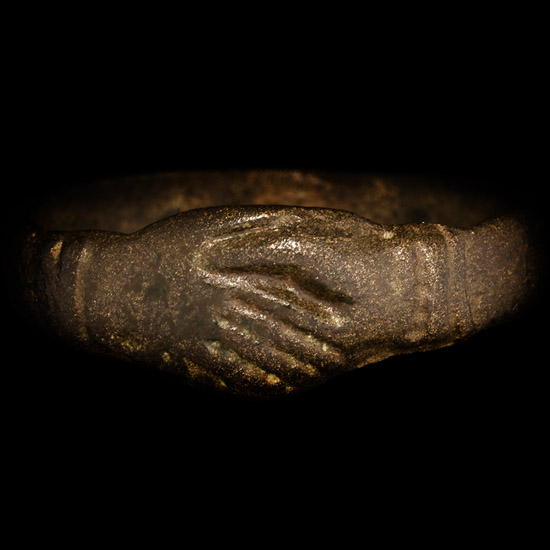
Stuart Period Clasped Hands Ring
Circa 17th century A.D.Sold for (Inc. bp): £182
Comprising a rectangular-section hoop and the bezel formed as clasped hands with ribbed cuffs. 3.37 grams, 22.97 mm overall, 18.85 x 19.07 mm internal diameter (approximate size British R, USA 8 1/2, Europe 18 3/4, Japan 18)
Ex German art market, 2000s. Acquired from an EU collector living in London. From the collection of a Surrey, UK, gentleman. -
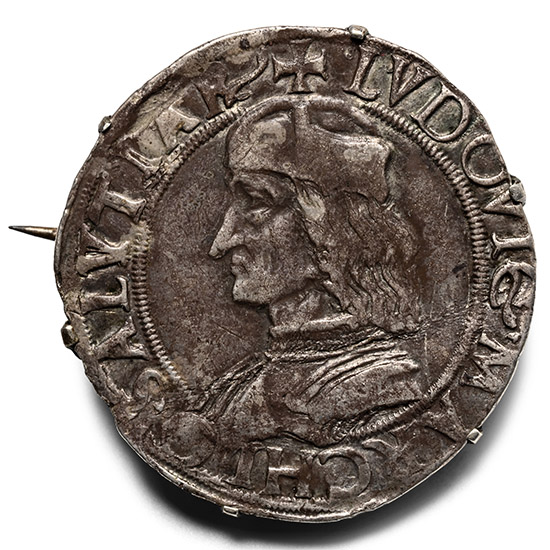
Italy. Marquisate of Saluzzo, Ludovico II Silver Issue in Later Silver Brooch.
AD 1475-1504. Carmagnola mint.Sold for (Inc. bp): £312
☩ LVDOVICVS · MARCHIO · SALVTIAR, bust to left wearing barrette. 6.05 grams, 30 mm
Very Fine. Set in a later brooch frame.
Acquired on the European art market. -
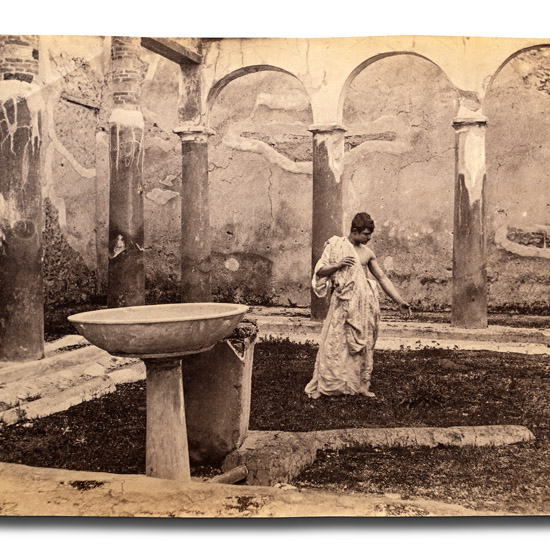
Wilhelm Von Gloeden, Albumen print - Two 'Taormina' Photographers' Stamps Verso
1856-1931 A.D.Sold for (Inc. bp): £1,170
Original albumen print of a toga-clad figure among architectural ruins; 'Giovane con toga nel cortile della Casa degli Archi' (IX 7,20) Pompei by Wilhelm von Gloeden; stamped to reverse W.von Gloeden Taormina, Sicilia (deposé)' and 'W.von Gloeden Tarmina (Sicilia) / Proprieta Artistica'. 5.2 grams, 15.6 x 11.7 cm
Acquired on the UK art market. Property of a Harwich, UK, collector.
Baron Wilhelm von Gloeden was known for photographic images of Italian youths posed as classical figures, often nude in a classical landscape or setting. At the outbreak of World War I he left Italy; Mussolini's fascists destroyed many of his images and glass negatives as obscene.
