
Loading, please wait...
LOT 2145
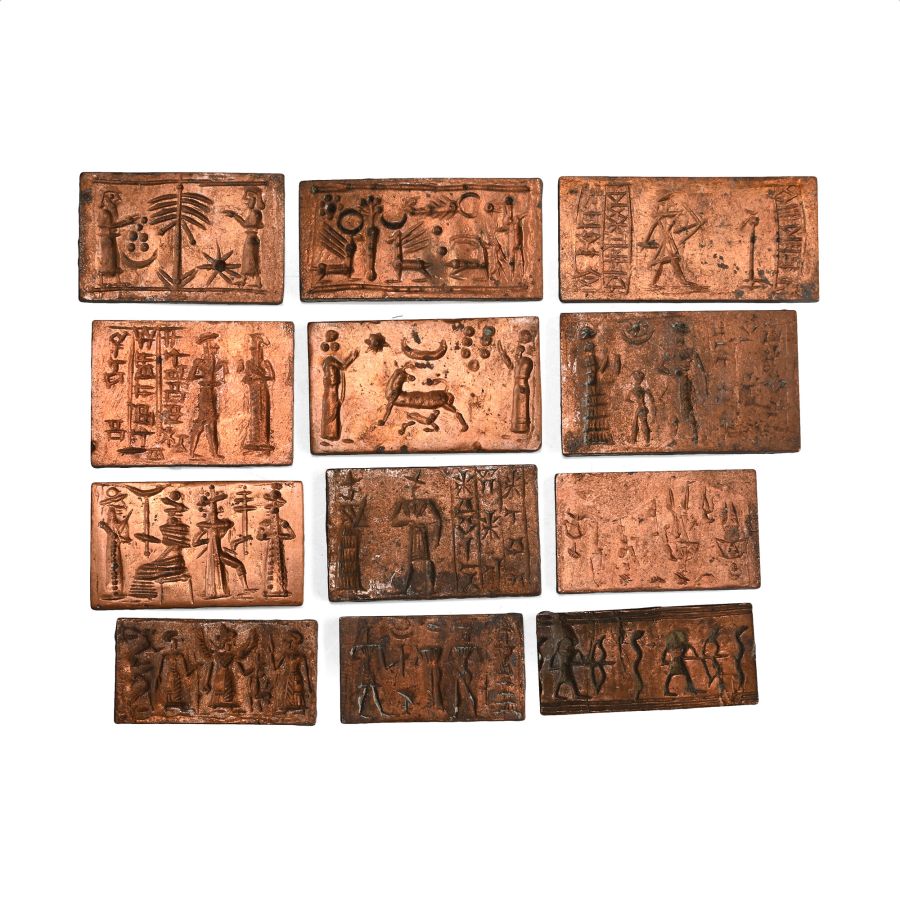
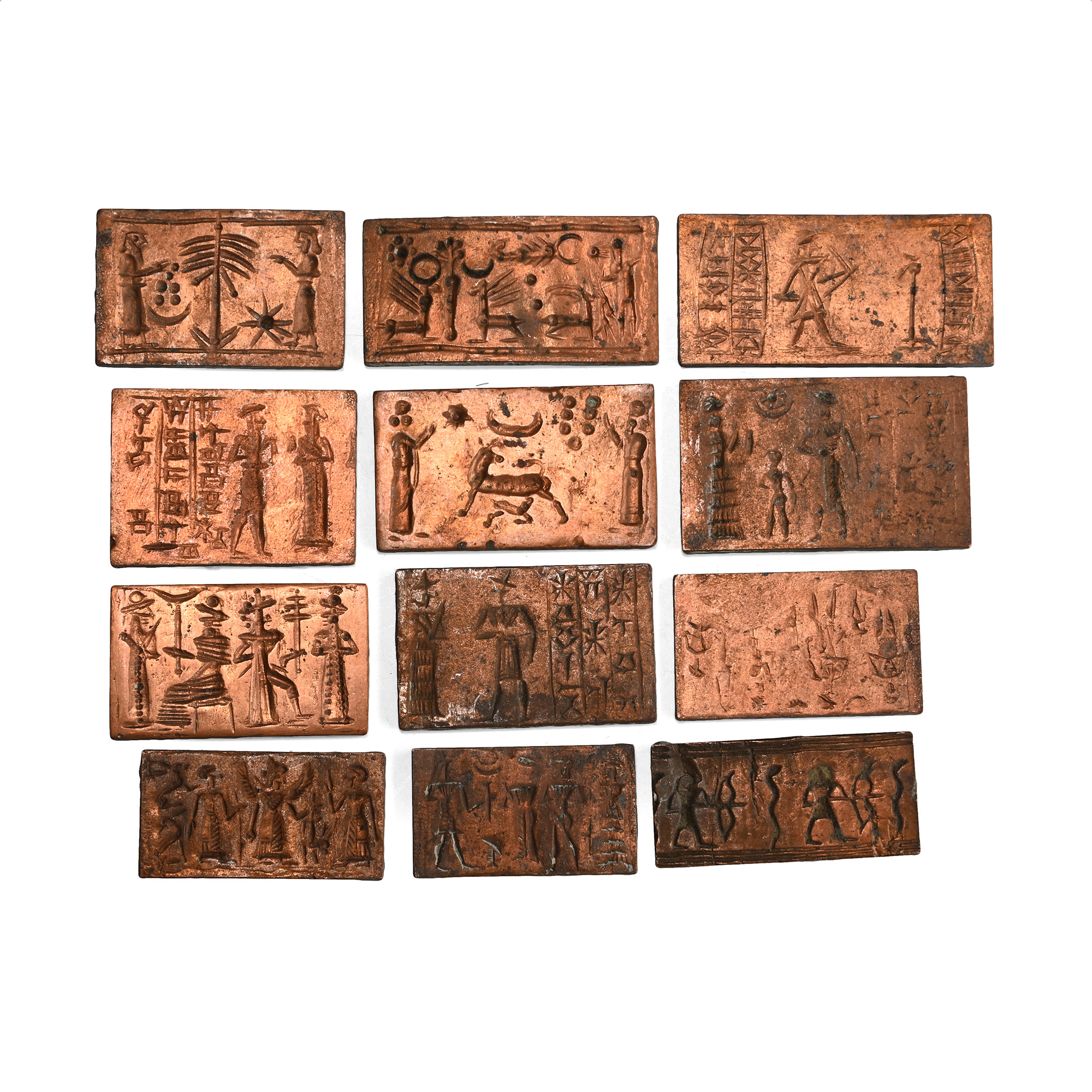
Cylinder Seal Electrotype Group
LATE 19TH-EARLY 20TH CENTURY A.D.
1 1/8 - 1 5/8 in. (185 grams total, 29-42 mm).
Of academic interest, copper coated lead seal impressions taken from cylinder seals, showing scenes including worshipping scene, animals, and three with cuneiform text. [12, No Reserve]
ProvenancePossibly made by the British Museum.
From a West Country, UK, private collection.
TimeLine Auctions follows a vetting process to ensure the authenticity and legality of all items, reinforcing our commitment to integrity and responsible trading. Each antiquity, antique, and coin lot undergoes thorough examination by a vetting committee of at least ten external specialists, professional trade association members, scientists, and archaeologists: Our Vetting Process
AUCTIONS:
TimeLine is a leading auction house specialising in antiquities, ancient art, collectables, natural history, coins, medals, and books. Our auctions offer museums, collectors, historians, and enthusiasts the opportunity to acquire unique and historically significant pieces.
-
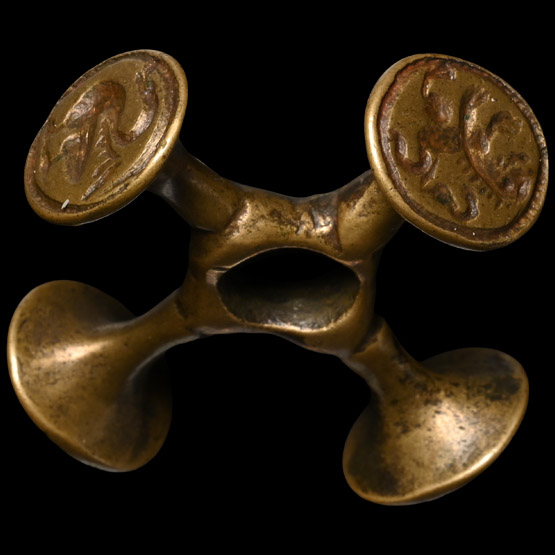
Late Tudor Bronze Four-Way Seal Matrix
16th-17th century A.D.Sold for (Inc. bp): £104
Cruciform with a central oval loop for suspension; each arm with flat discoid bezel; engraved with anchor, ship, rampant lion, and swan motives. 12.3 grams, 35 mm
From the private collection of the late Graham Slater (1927-2024), Cambridge, UK, acquired 1980s-1990s. -
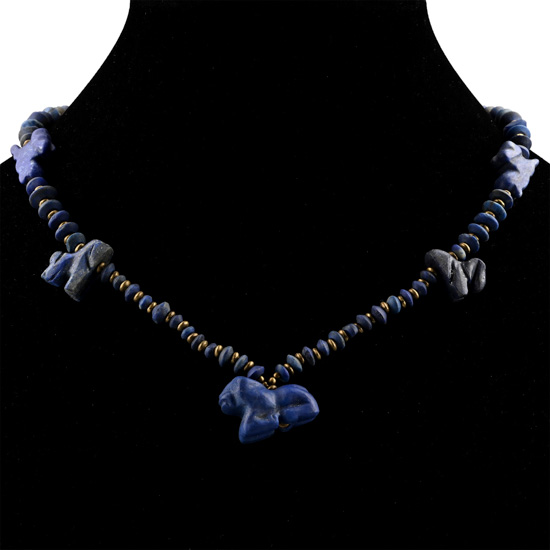
Bactrian Style Lapis Lazuli and Other Bead Necklace String
20th century A.D.Sold for (Inc. bp): £26
Composed of biconical beads interspersed with small metal beads, five lion-shaped amulets; restrung. 40.2 grams, 40.6 cm
From London, UK, gallery collection, 1990s. -
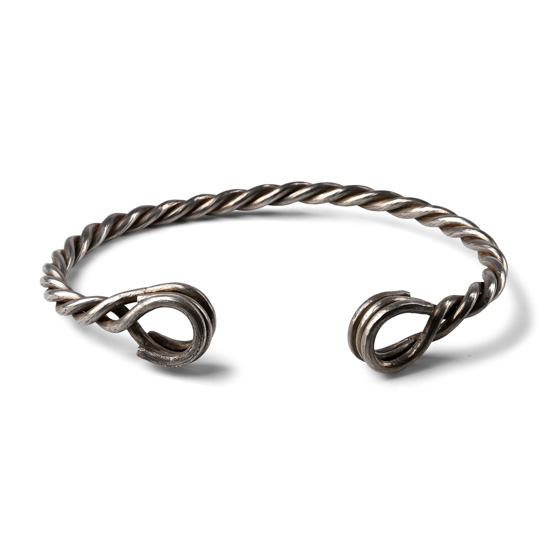
Large Celtic Style Twisted Silver Bar Neck Torc
20th-21st century A.D.Sold for (Inc. bp): £286
The body formed of three round-section bars twisted together, with looped terminals. 460 grams, 21.3 cm
From a British private collection. Ex Lockdales Auctions, Suffolk, UK.
