
Loading, please wait...
LOT 1992
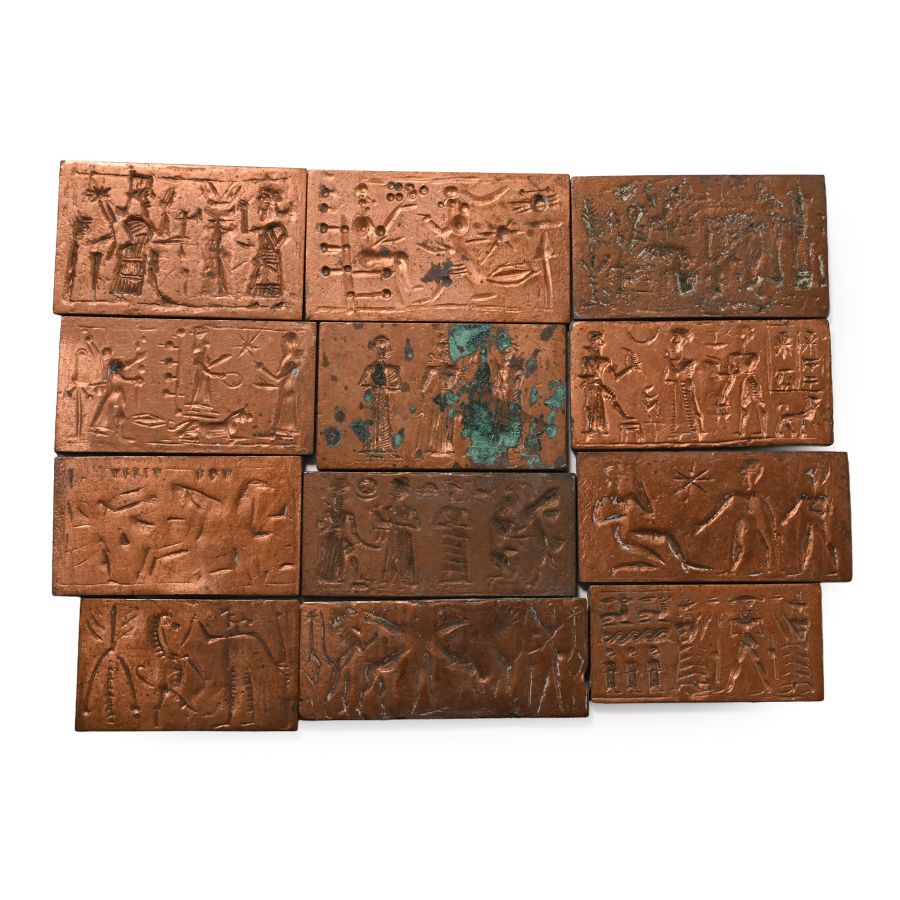
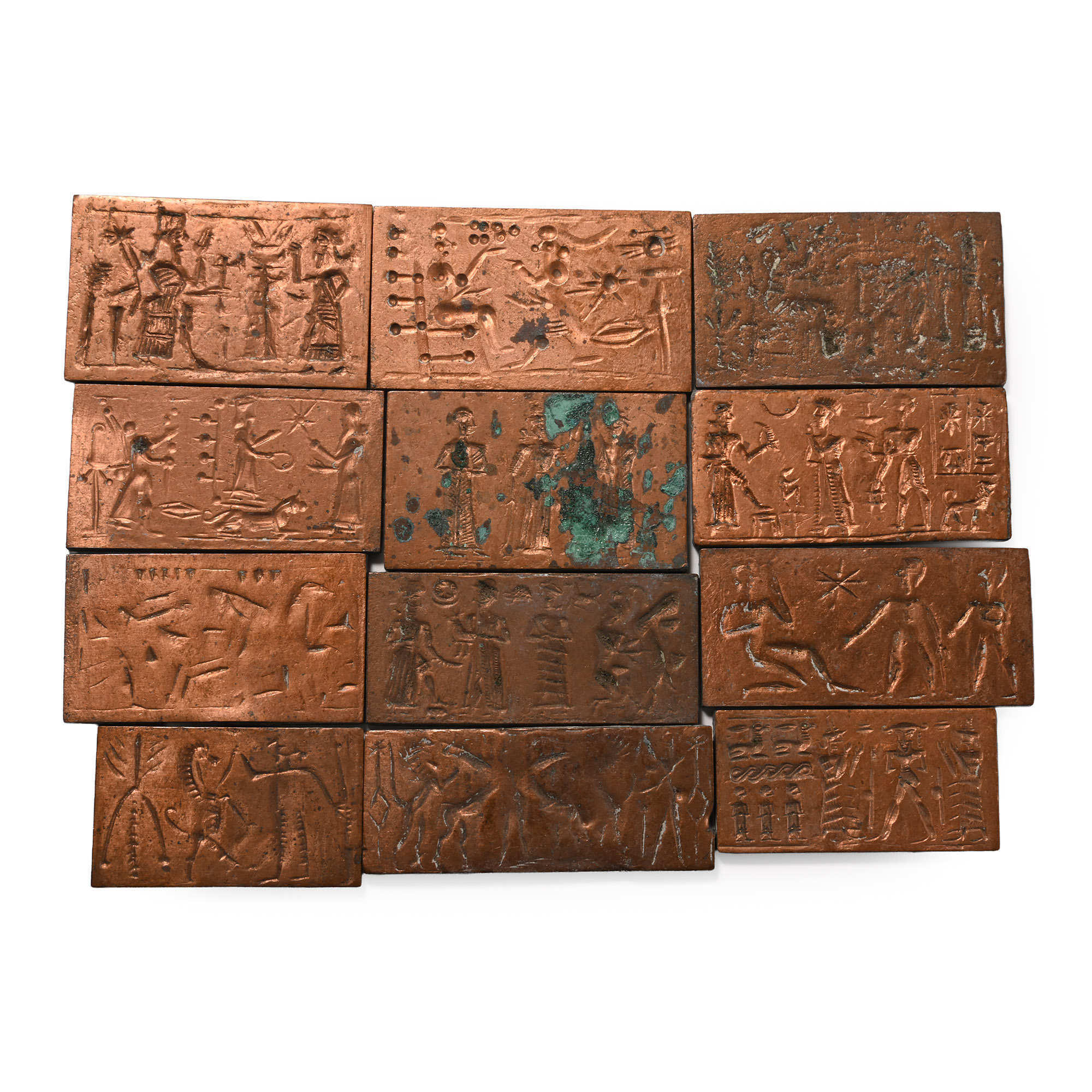
Cylinder Seal Electrotype Group
LATE 19TH-EARLY 20TH CENTURY A.D.
1 3/8 - 1 3/4 in. (240 grams total, 34-45 mm).
Of academic interest, copper-coated lead seal impressions including presentation scenes, hunting scenes, court scenes; one with cuneiform text. [12, No Reserve]
ProvenancePossibly made by the British Museum.
From a West Country, UK, private collection.
TimeLine Auctions follows a vetting process to ensure the authenticity and legality of all items, reinforcing our commitment to integrity and responsible trading. Each antiquity, antique, and coin lot undergoes thorough examination by a vetting committee of at least ten external specialists, professional trade association members, scientists, and archaeologists: Our Vetting Process
AUCTIONS:
TimeLine is a leading auction house specialising in antiquities, ancient art, collectables, natural history, coins, medals, and books. Our auctions offer museums, collectors, historians, and enthusiasts the opportunity to acquire unique and historically significant pieces.
-
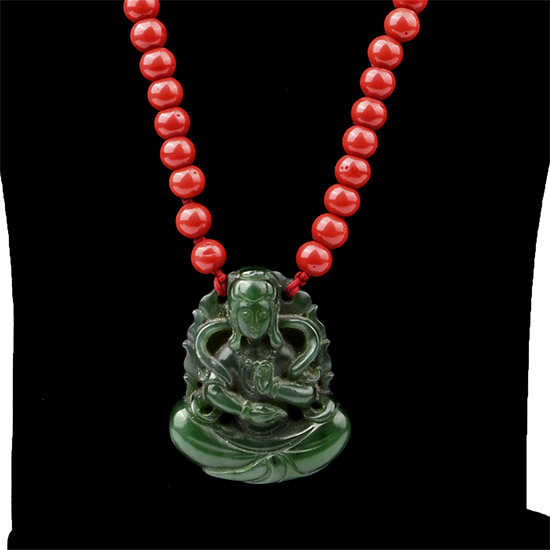
Tibetan Glass Prayer Bead Necklace with Jade Buddha Pendant
20th century A.D.Sold for (Inc. bp): £124
Restrung group of spherical coral-coloured beads with a figural pendant modelled in the half-round. 143 grams, 78 cm
Private collection, UK. -
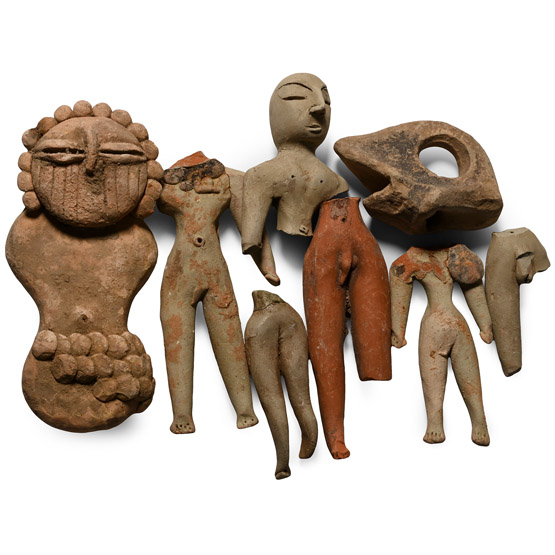
Indus Valley Style Terracotta Idol Fragment Group
20th century A.D. or earlierSold for (Inc. bp): £13
Including standing figures and body parts. 156 grams total, 41-90 mm
Ex London, UK, collection, 1990s. -
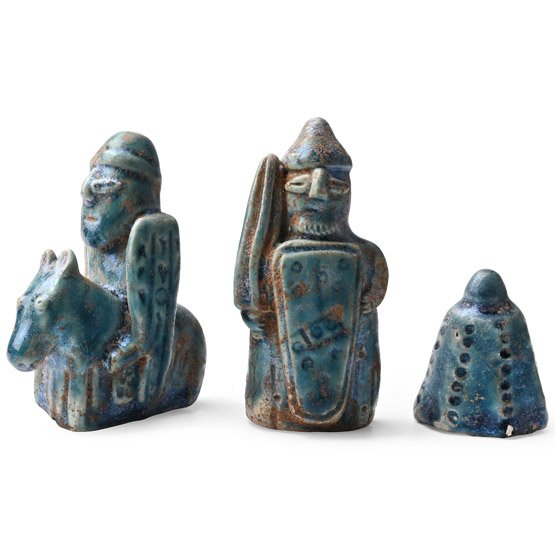
Western Asiatic Style Glazed Ceramic Gaming Piece Group
20th century A.D.Sold for (Inc. bp): £208
Comprising a bell-shaped pawn with pellet detailing; a standing knight with sword and teardrop shield; a mounted knight with spear and shield. 226 grams total, 44-85 mm
Private collection, UK.
