
Loading, please wait...
LOT 2132
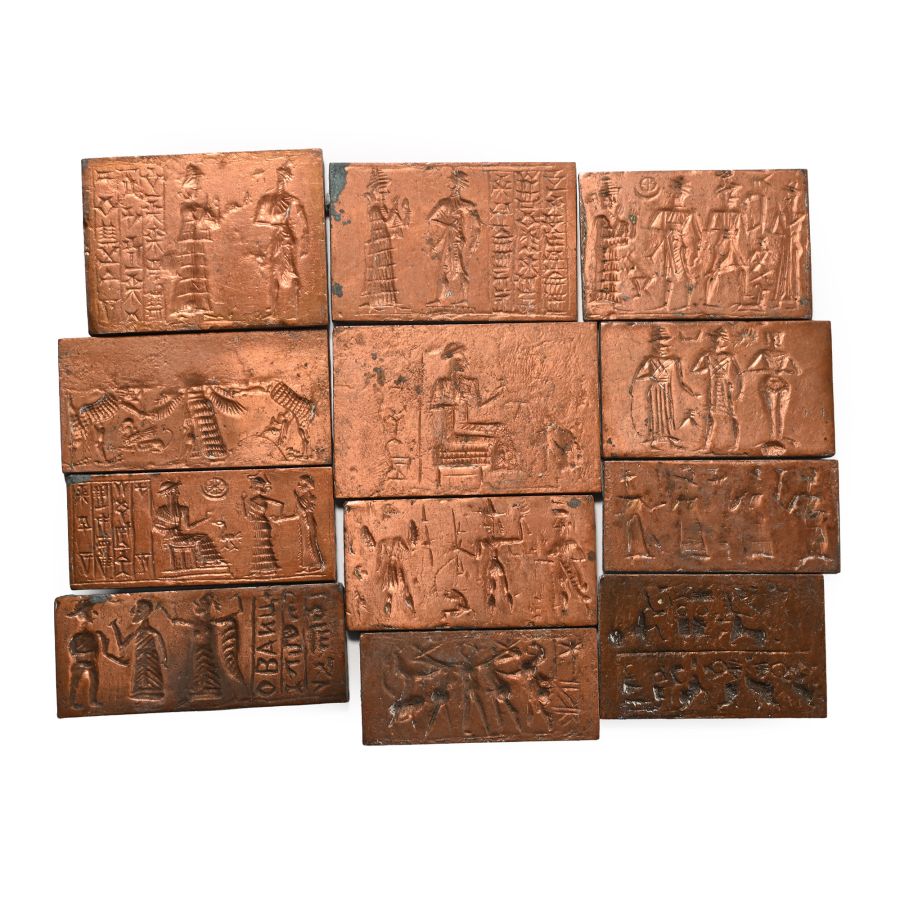
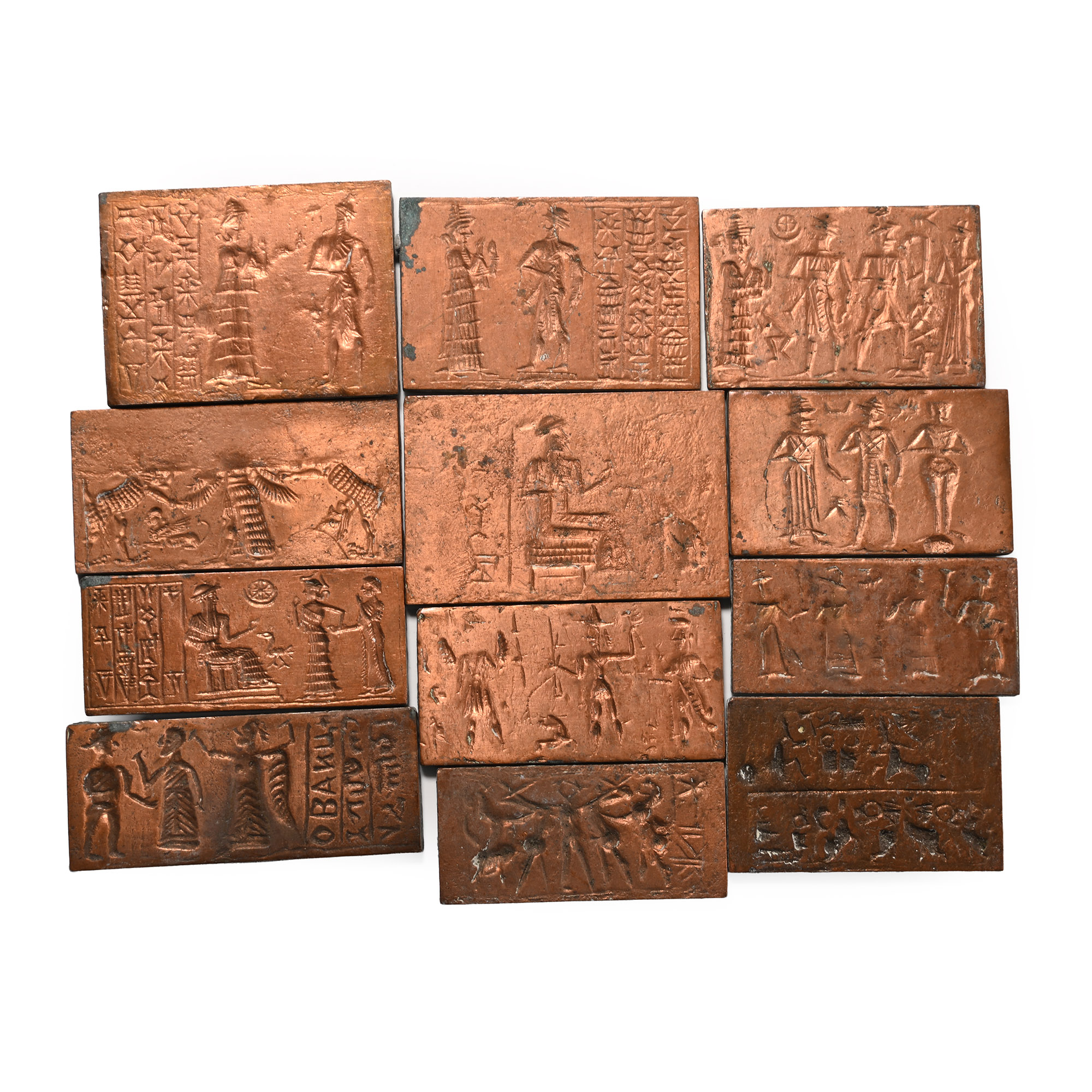
Cylinder Seal Electrotype Group
LATE 19TH-EARLY 20TH CENTURY A.D.
1 3/8 - 1 3/4 in. (250 grams total, 36-46 mm).
Of academic interest, copper-coated lead seal impressions including presentation scenes, combat scenes, court scenes and others; some with cuneiform text. [12, No Reserve]
ProvenancePossibly made by the British Museum.
From a West Country, UK, private collection.
TimeLine Auctions follows a vetting process to ensure the authenticity and legality of all items, reinforcing our commitment to integrity and responsible trading. Each antiquity, antique, and coin lot undergoes thorough examination by a vetting committee of at least ten external specialists, professional trade association members, scientists, and archaeologists: Our Vetting Process
AUCTIONS:
TimeLine is a leading auction house specialising in antiquities, ancient art, collectables, natural history, coins, medals, and books. Our auctions offer museums, collectors, historians, and enthusiasts the opportunity to acquire unique and historically significant pieces.
-
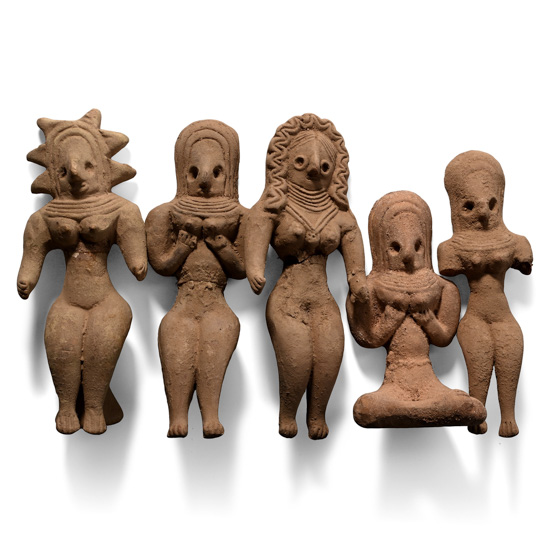
Indus Valley Style Terracotta Idol Group
20th century A.D.Sold for (Inc. bp): £13
Mixed group of figures with anatomical details. 287 grams, 8.5-11 cm
Very fine condition.
From the private collection of John Meredith, acquired since the 1990s; thence by descent. -
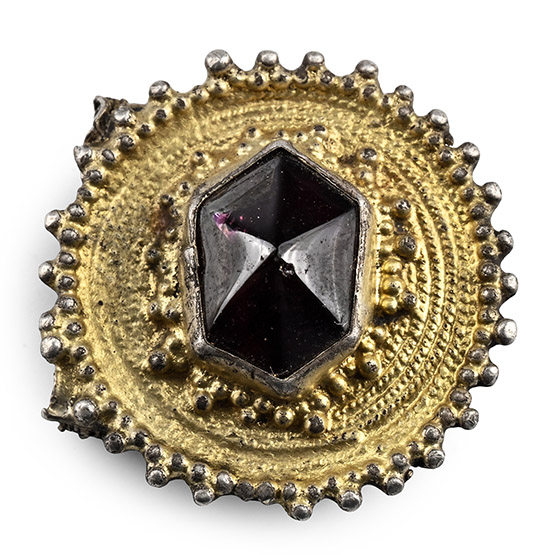
Tudor Period Silver-Gilt Mount with Facetted Garnet
16th-17th century A.D.Sold for (Inc. bp): £169
Discoid plaque with granules to the rim, concentric rings to the face and central hexagonal cell with inset garnet gemstone, mounting loops to reverse. 3.16 grams, 20 mm
Ex German art market, 2000s. Acquired from an EU collector living in London. From the collection of a Surrey, UK, gentleman. -
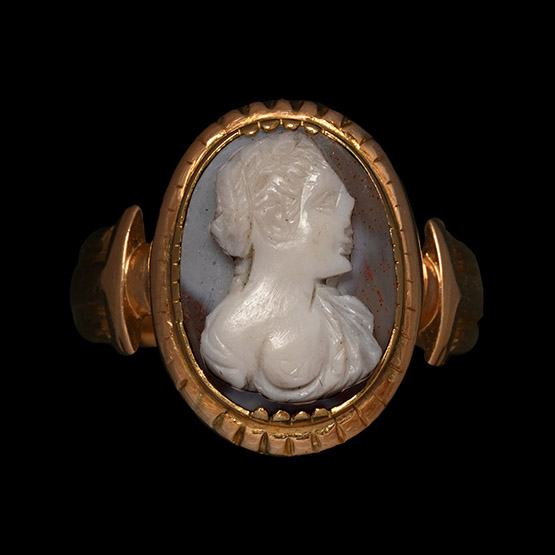
Renaissance Sardonyx Cameo of a Female Bust in Gold Ring
Italy, 16th-17th century A.D.Sold for (Inc. bp): £520
Carved with a bust of a young female in three-quarter view, wearing a loose palla with one breast exposed; set into an antique gold ring. 6.05 grams, 26.23 mm overall, 19.05 mm internal diameter (approximate size British S, USA 9, Europe 20, Japan 19)
Private collection, Europe. Acquired on the English art market.
