
Loading, please wait...
LOT 1393
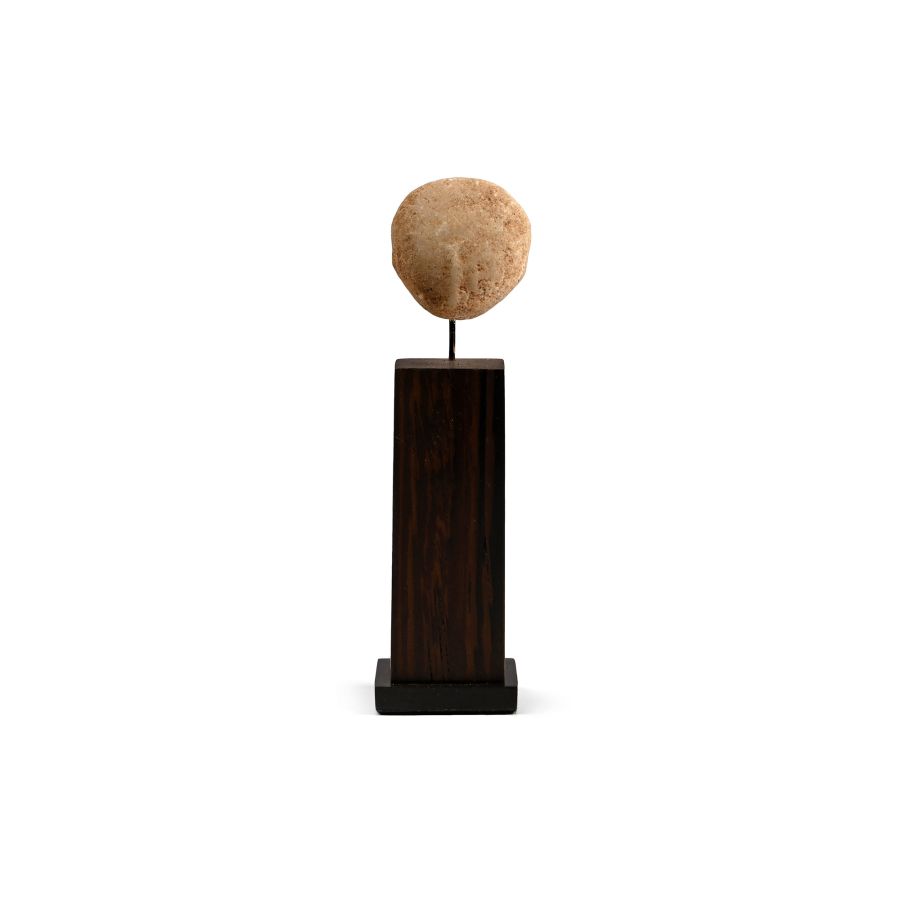
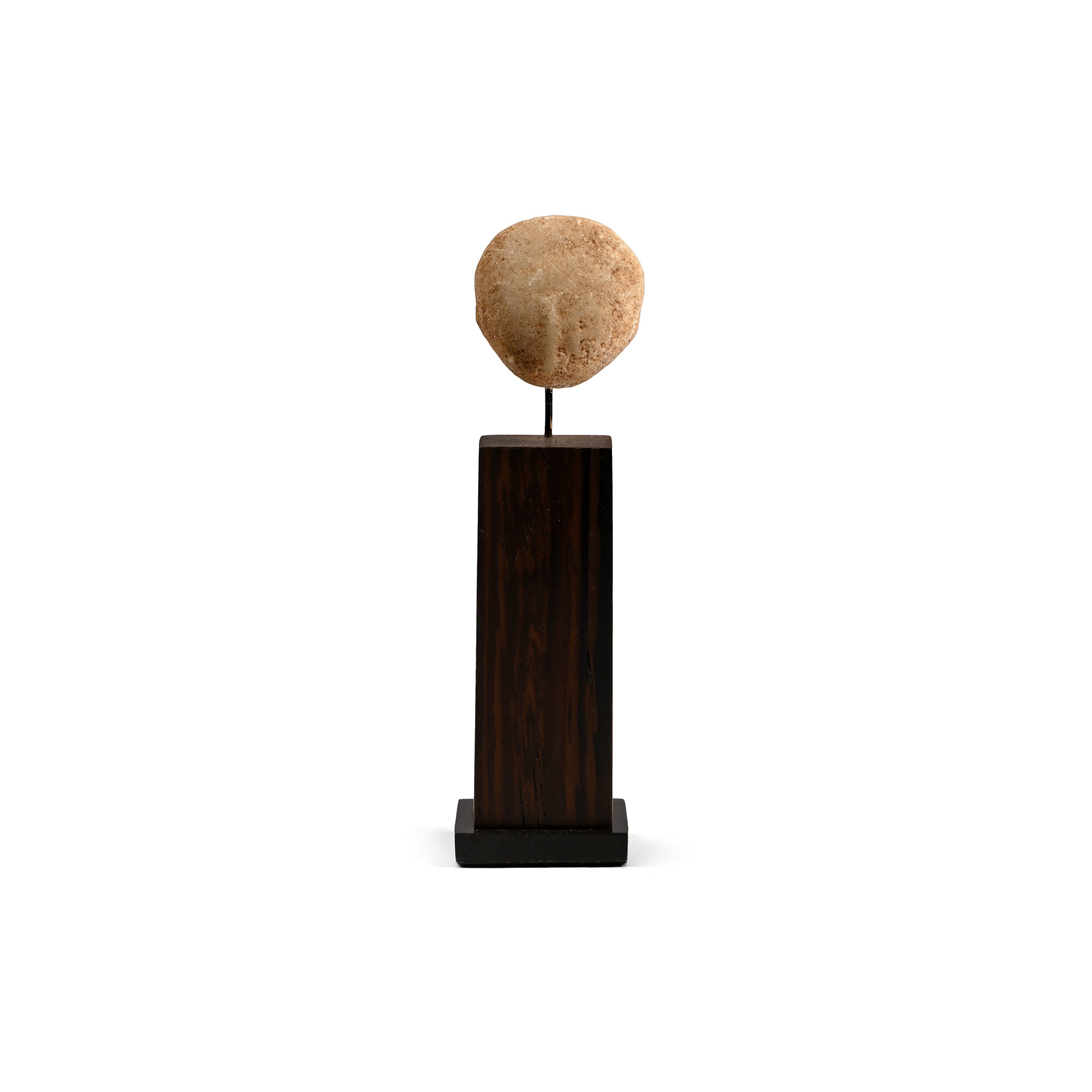
Cycladic Alabaster Idol Head
3RD MILLENNIUM B.C.
1 in. (3 1/4 in.) (37.89 grams total, 23 mm (84 mm including stand)).
An oval head with raised linear nose; mounted on a custom-made display stand.
ProvenancePrivate collection of Mr K.A., acquired in the 1990s-early 2000s.
This lot has been cleared against the Art Loss Register database, and is accompanied by an illustrated lot declaration signed by the Head of the Antiquities Department, Dr Raffaele D'Amato.
TimeLine Auctions follows a vetting process to ensure the authenticity and legality of all items, reinforcing our commitment to integrity and responsible trading. Each antiquity, antique, and coin lot undergoes thorough examination by a vetting committee of at least ten external specialists, professional trade association members, scientists, and archaeologists: Our Vetting Process
AUCTIONS:
TimeLine is a leading auction house specialising in antiquities, ancient art, collectables, natural history, coins, medals, and books. Our auctions offer museums, collectors, historians, and enthusiasts the opportunity to acquire unique and historically significant pieces.
-
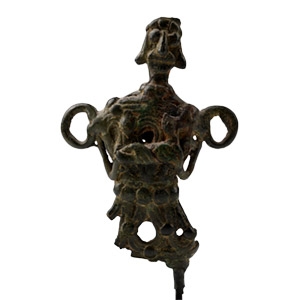
Amlash Bronze Figure of Fertility
13th-12th century B.C.Estimate: £800 - 1,000 (+bp*)
Opening Bid: £400
Comprising: plaque formed as a facing figure holding a bird to the chest, cast with pellet detailing to the eyes, hair, belt and other features; loop to rear of neck and openwork cage to rear of chest; lateral loops to shoulders; mounted on a custom-made stand. 41 grams, 89 mm (74 grams total, 10 cm including stand)
with ArtAncient, 2010. Private collection, London, UK. This lot has been cleared against the Art Loss Register database, and is accompanied by an illustrated lot declaration signed by the Head of the Antiquities Department, Dr Raffaele D'Amato. -
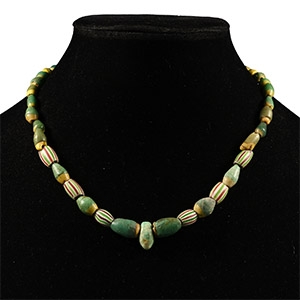
Western Asiatic and Other Green Glass Bead Necklace
20th century A.D.Estimate: £300 - 400 (+bp*)
Opening Bid: £150
A restrung designer necklace of fusiform, 'date', Venetian drawn glass rosetta beads, and other beads, some with longitudinal polychrome bands. 36.3 grams, 43 cm
From the collection of a gentleman, acquired on the London art market in the 1990s. This lot has been cleared against the Art Loss Register database, and is accompanied by an illustrated lot declaration signed by the Head of the Antiquities Department, Dr Raffaele D'Amato. -
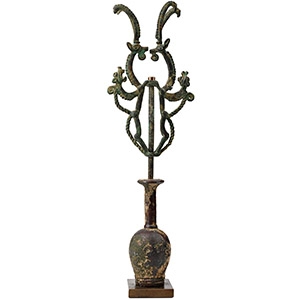
Western Asiatic Bronze Finial with Animals
1200-800 B.C.Sold for (Inc. bp): £3,510
A bifacial sceptre head formed as a collared tubular stem with bulb foot; above, two opposed ibexes with segmented horns and coiled beards each attacked from behind by a mountain lion with gaping jaws, slender body and ropework tail; mounted on a custom-made stand. 860 grams total, 36 cm including stand
with Manouchehr Soleiman Aaron, Tehran, 1967. Brought to the U.S. prior to 1974. American private collection. with Christie’s, New York, 7 December 2011, no.16. European private collection. This lot has been checked against the Interpol Database of stolen works of art and is accompanied by a search certificate number no.12873-241699. This lot has been cleared against the Art Loss Register database, and is accompanied by an illustrated lot declaration signed by the Head of the Antiquities Department, Dr Raffaele D'Amato.
