
Loading, please wait...
LOT 2936
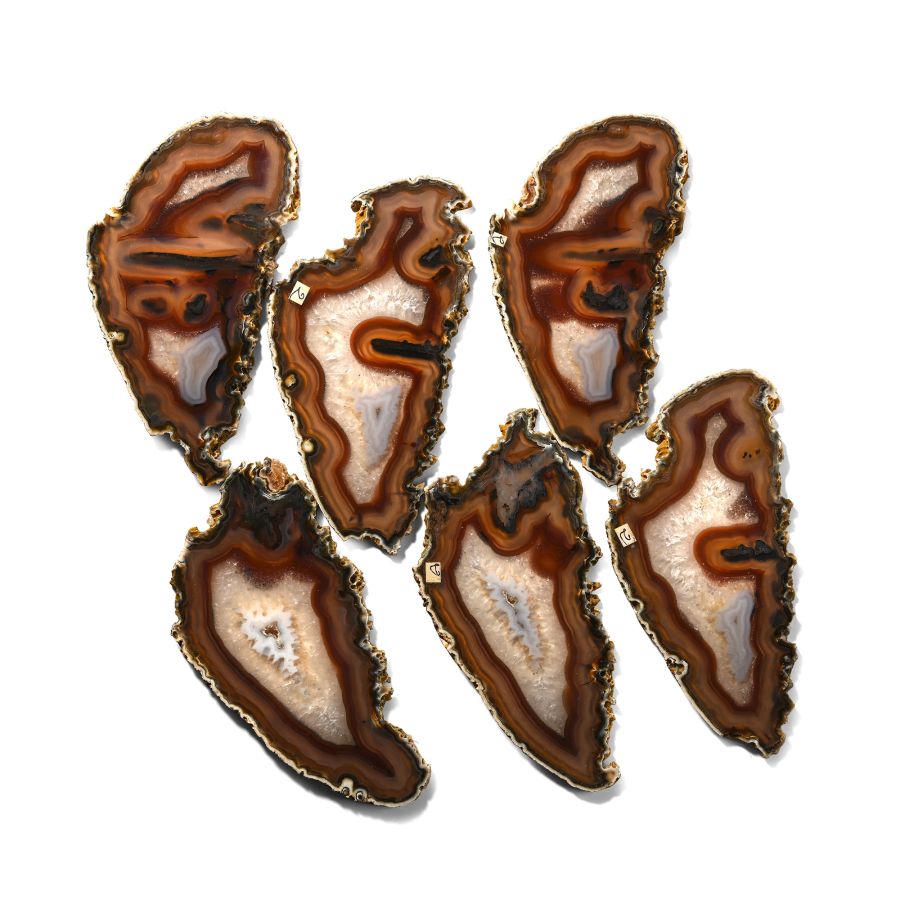
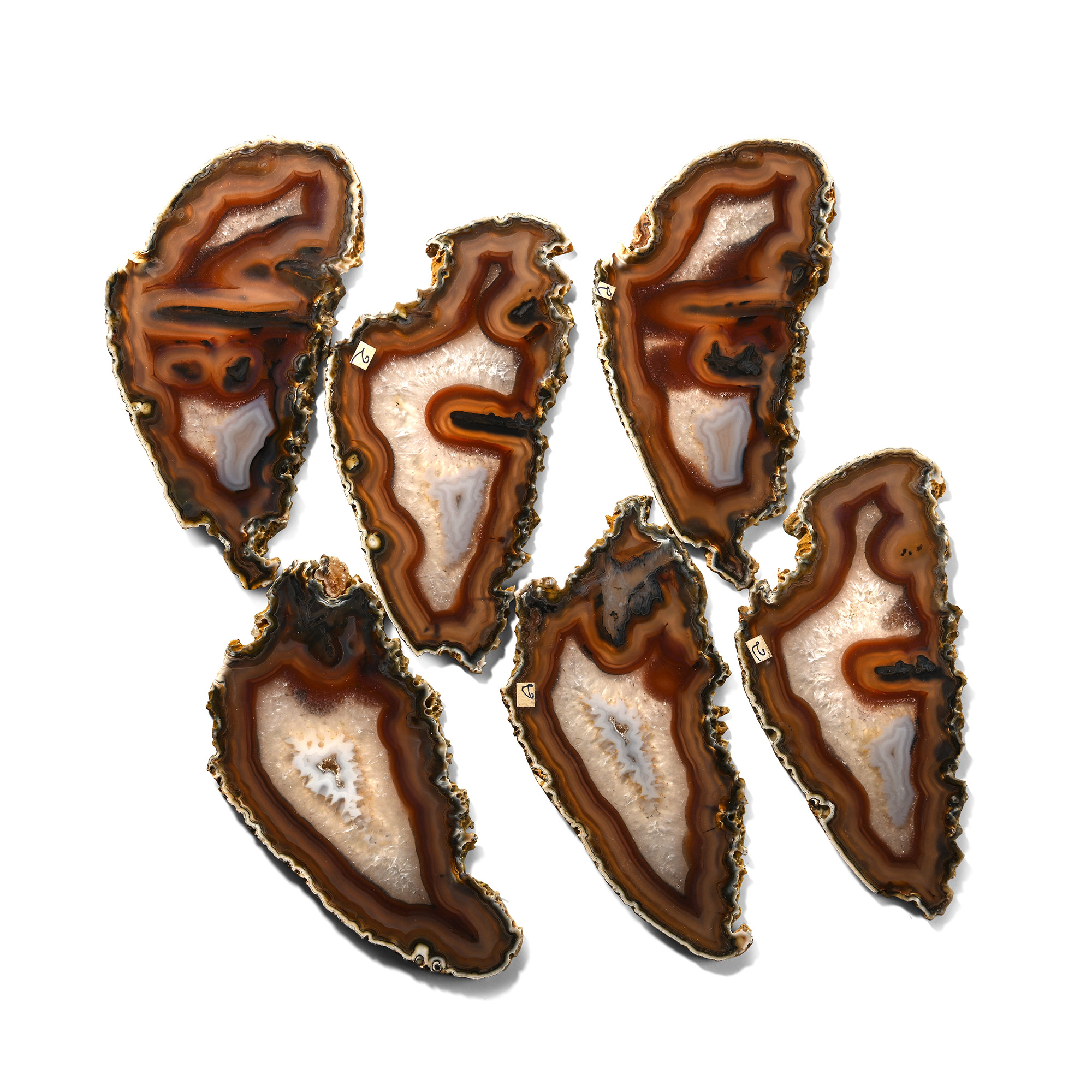
Cut and Polished Agate Geode Slice Group
5 1/4 - 5 3/8 in. (392 grams total, 13.2-13.8 cm).
Comprising six translucent slices showing red, orange and grey banding together with colourless quartz crystal formations. [6, No Reserve]
ProvenanceEx Mineral Imports, London, UK.
Gregory, Bottley & Lloyd (Gregory's), Harwich, UK.
TimeLine Auctions follows a vetting process to ensure the authenticity and legality of all items, reinforcing our commitment to integrity and responsible trading. Each antiquity, antique, and coin lot undergoes thorough examination by a vetting committee of at least ten external specialists, professional trade association members, scientists, and archaeologists: Our Vetting Process
AUCTIONS:
TimeLine is a leading auction house specialising in antiquities, ancient art, collectables, natural history, coins, medals, and books. Our auctions offer museums, collectors, historians, and enthusiasts the opportunity to acquire unique and historically significant pieces.
-
![Group of Thirty Three [33] Boxed Mexican Calcite and Other Crystal Specimens](https://timelineauctions.com/upload/images/items/small/251102-s.jpg)
Group of Thirty Three [33] Boxed Mexican Calcite and Other Crystal Specimens
Sold for (Inc. bp): £7
Boxed group comprising orange and pink calcite from Mexico, fluorite, white to colourless calcite from Mexico, and quartz. 1.62 kg total including box, 21-75 mm
From Mexico. Ex Mineral Imports, London, UK. Gregory, Bottley & Lloyd (Gregory's), Harwich, UK. -
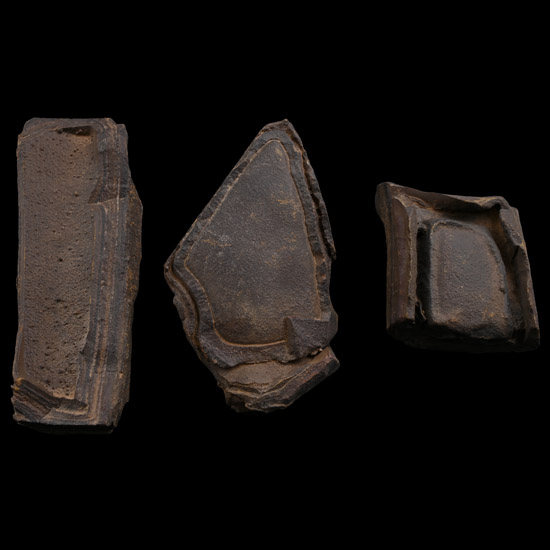
Fossil Mineral Mud Formation Specimen Group
Sold for (Inc. bp): £7
Comprising three ironstone regolith concretions formed by the hardening of iron-rich mud in layers. 942 grams total, 9-13.6 cm
From the Sahara, Morocco, North Africa. From a Cambridgeshire, UK, collection. -
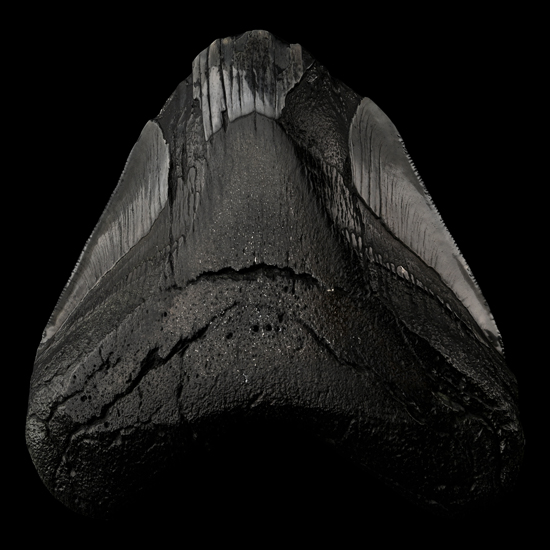
Worked Fossilised Megalodon Tooth
Early Pliocene, circa 5-2 million years B.P.Sold for (Inc. bp): £124
Showing signs of being polished and with the tip cut at an angle, possibly used as a tool. 293 grams, 11.5 cm
Recovered from the Hawthorn Formation, Broad River, Beaufort County, South Carolina.
