
Loading, please wait...
LOT 2413
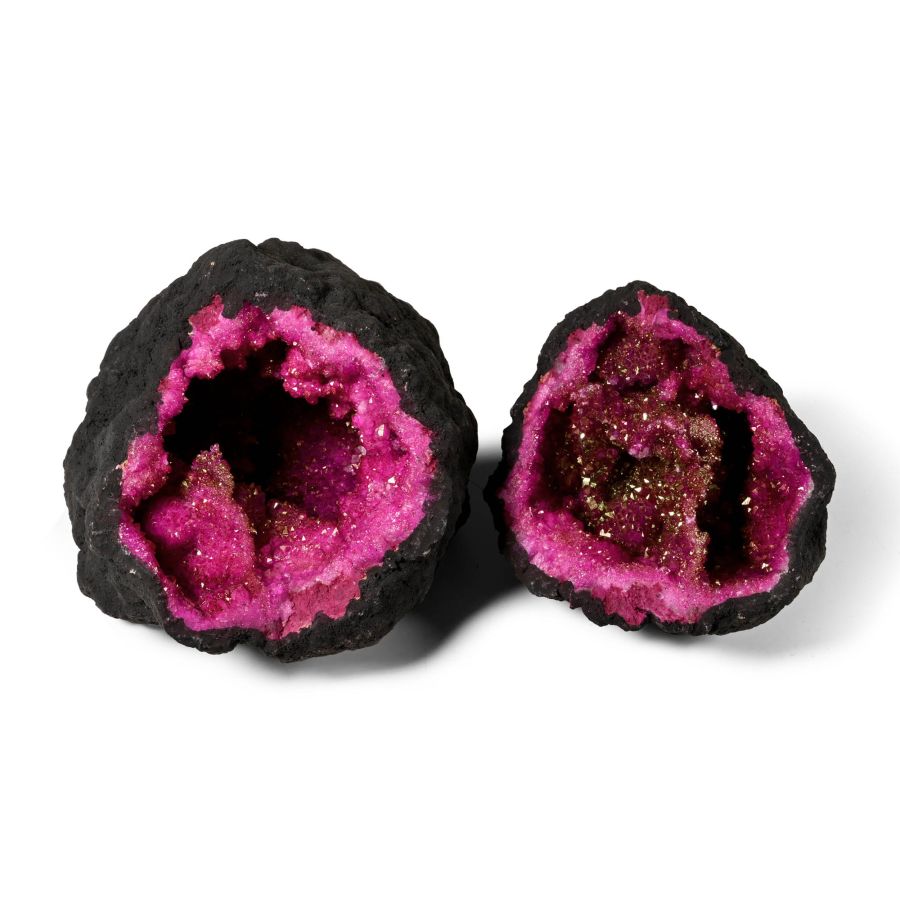
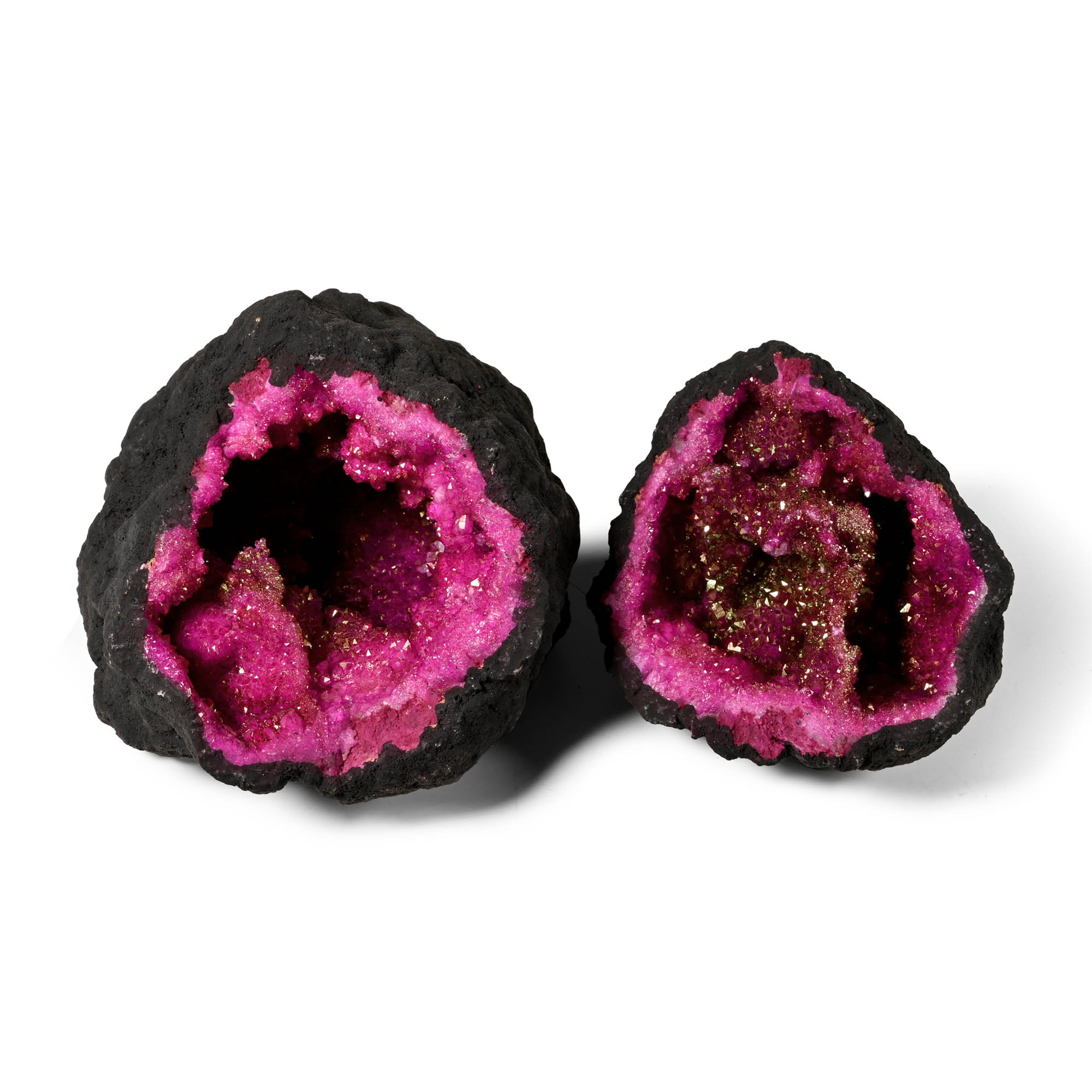
Crystal Quartz Nodule
3 3/4 - 4 5/8 in. (1.2 kg total, 9.4-11.7 cm).
Opened and in two halves, showing the internal cavity encrusted with variously sized crystals in enhanced hot pink colour. [2, No Reserve]
ProvenanceFrom a Cambridgeshire, UK, collection.
CONDITIONTimeLine Auctions follows a vetting process to ensure the authenticity and legality of all items, reinforcing our commitment to integrity and responsible trading. Each antiquity, antique, and coin lot undergoes thorough examination by a vetting committee of at least ten external specialists, professional trade association members, scientists, and archaeologists: Our Vetting Process
AUCTIONS:
TimeLine is a leading auction house specialising in antiquities, ancient art, collectables, natural history, coins, medals, and books. Our auctions offer museums, collectors, historians, and enthusiasts the opportunity to acquire unique and historically significant pieces.
-
.jpg)
Mocha Stone (Dendritic Limestone) Tile Group
Sold for (Inc. bp): £39
Superb examples exhibiting finely formed dendrites of manganese oxide. 342 grams total, 9.6-13 cm
From India. Ex Mineral Imports, London, UK. Gregory, Bottley & Lloyd (Gregory's). -
.jpg)
Extinct Fossil Shark and Other Tooth Collection
Cretaceous-Eocene Period, 70-50 million years B.P.Sold for (Inc. bp): £286
Comprising specimens of different sizes, including examples retaining some or most of the root, enamel and/or serration. 940 grams total, 3-31 mm
Acquired 1990s-early 2000s. East Anglian private collection. -
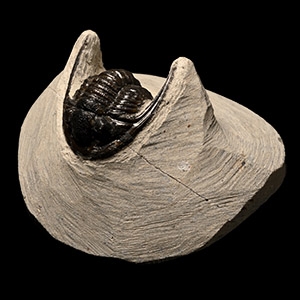
Fossil Cornuproetus Trilobite
Devonian Period, 416-359 million years B.P.Sold for (Inc. bp): £59
Displaying the striking swept-back genal spines; repaired. 163 grams, 59 mm
From a Cambridgeshire, UK, collection.
