
Loading, please wait...
LOT 2756
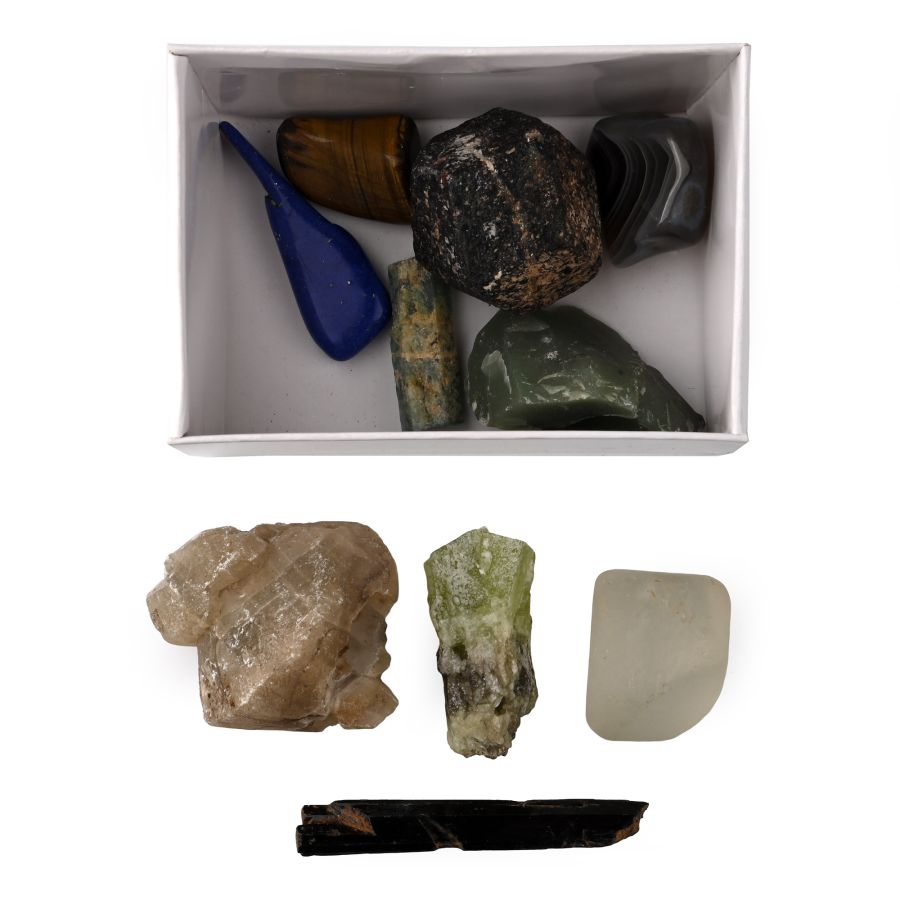
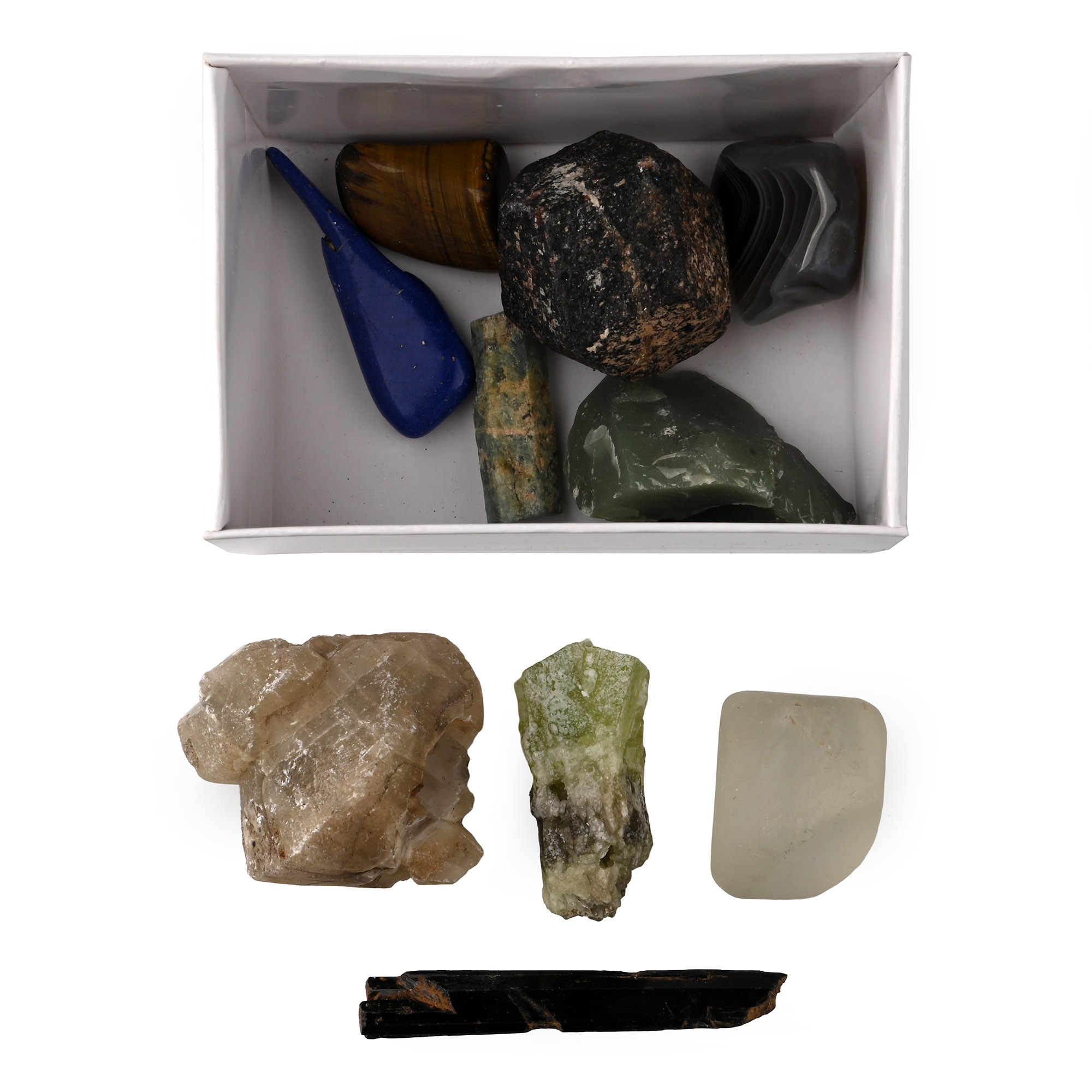
Crystal and Mineral Display Specimen Collection
1 - 2 3/8 in. (250 grams total, 24-61 mm).
Comprising: tiger's eye, tourmaline, almandine garnet, agate, sodalite, topaz, and others. [10, No Reserve]
ProvenanceProperty of a North West London, UK, lady.
CONDITIONTimeLine Auctions follows a vetting process to ensure the authenticity and legality of all items, reinforcing our commitment to integrity and responsible trading. Each antiquity, antique, and coin lot undergoes thorough examination by a vetting committee of at least ten external specialists, professional trade association members, scientists, and archaeologists: Our Vetting Process
AUCTIONS:
TimeLine is a leading auction house specialising in antiquities, ancient art, collectables, natural history, coins, medals, and books. Our auctions offer museums, collectors, historians, and enthusiasts the opportunity to acquire unique and historically significant pieces.
-
Large Opal Mineral Specimen
Sold for (Inc. bp): £65
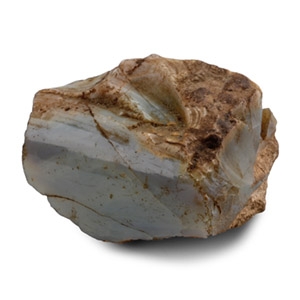
A substantial piece of opal in matrix with colour diffracting mostly in blue and green. 66 grams, 52mm
Very fine condition.
Property of a Surrey lady; previously in the private collection of Patrick Phillips, Weybridge, Surrey, UK; the collection formed since the early 1970s; thence by descent 2019. From the private collection of John Meredith, acquired since the 1990s; thence by descent. -
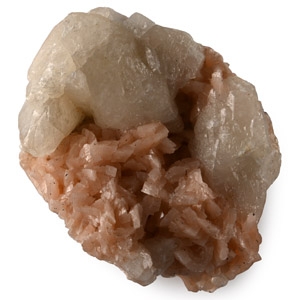
Pink Dolomite Crystal Mineral Display Specimen
Sold for (Inc. bp): £33
Clusters of pink dolomite crystals with white quartz. 69 grams, 58 mm
Property of a North West London, UK, lady. -
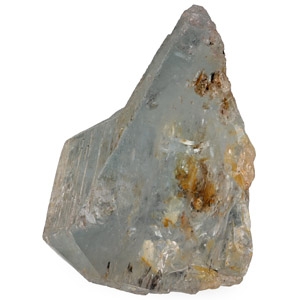
Aquamarine Crystal Mineral Display Specimen
Sold for (Inc. bp): £59
Light blue translucent crystal showing some internal iridescence. 600 grams, 10.4 cm
Property of a North West London, UK, lady.
