
Loading, please wait...

LOT 0431
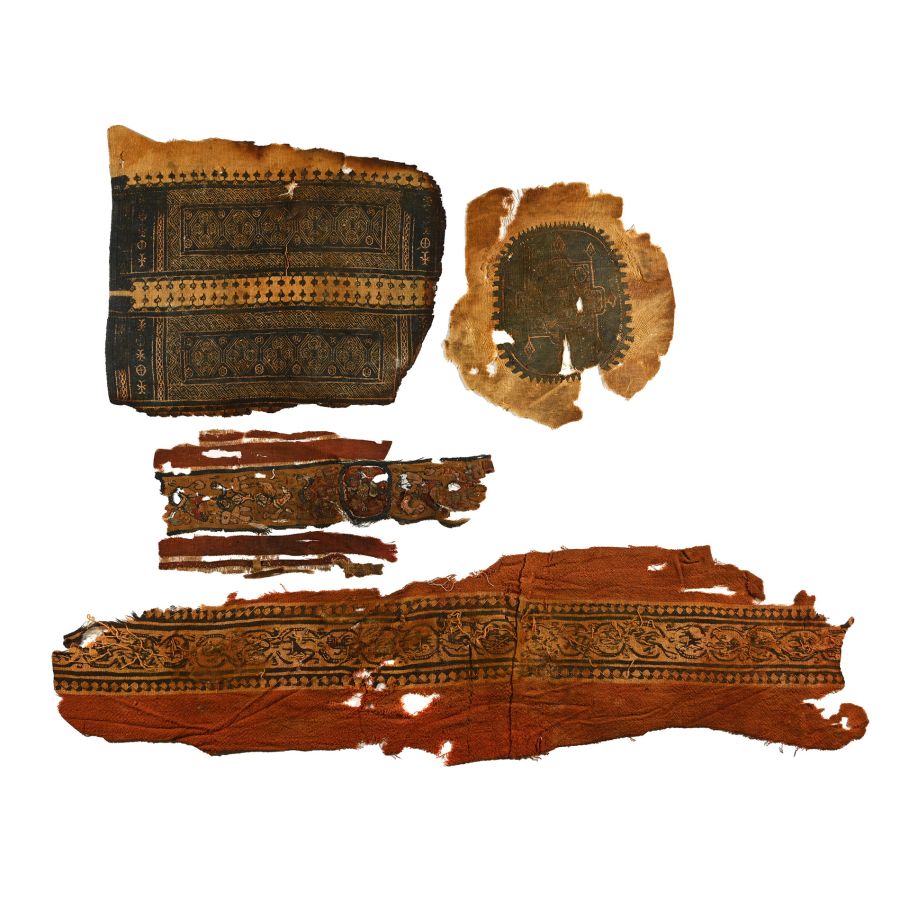
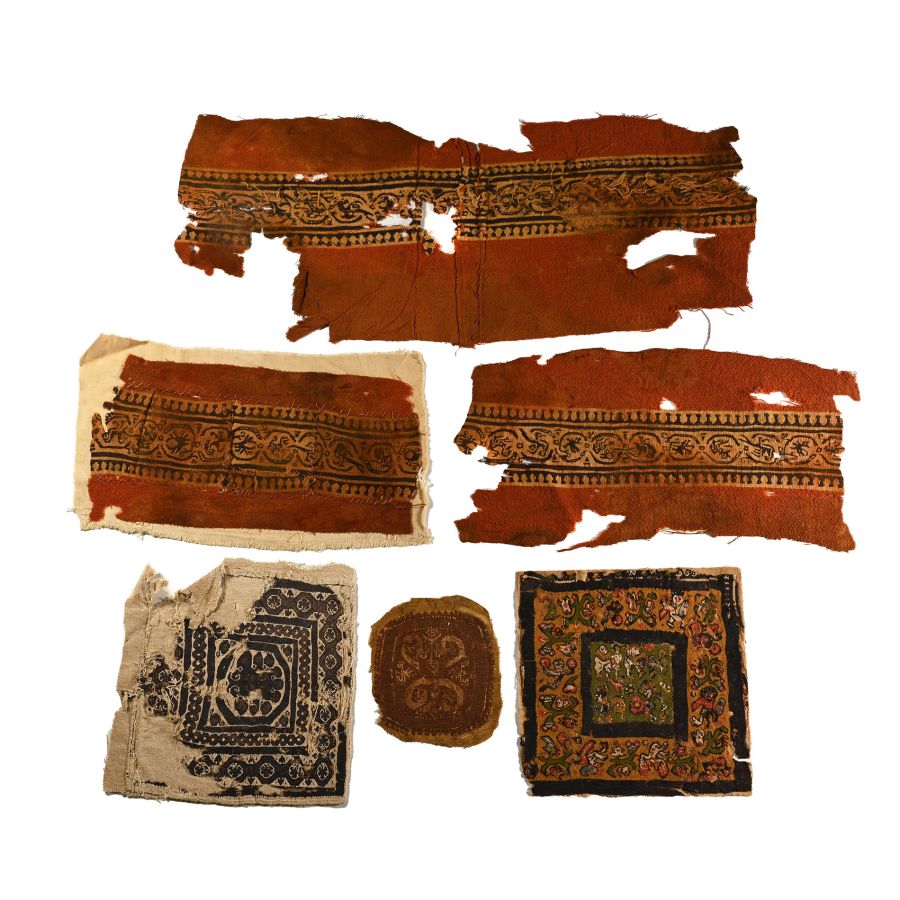
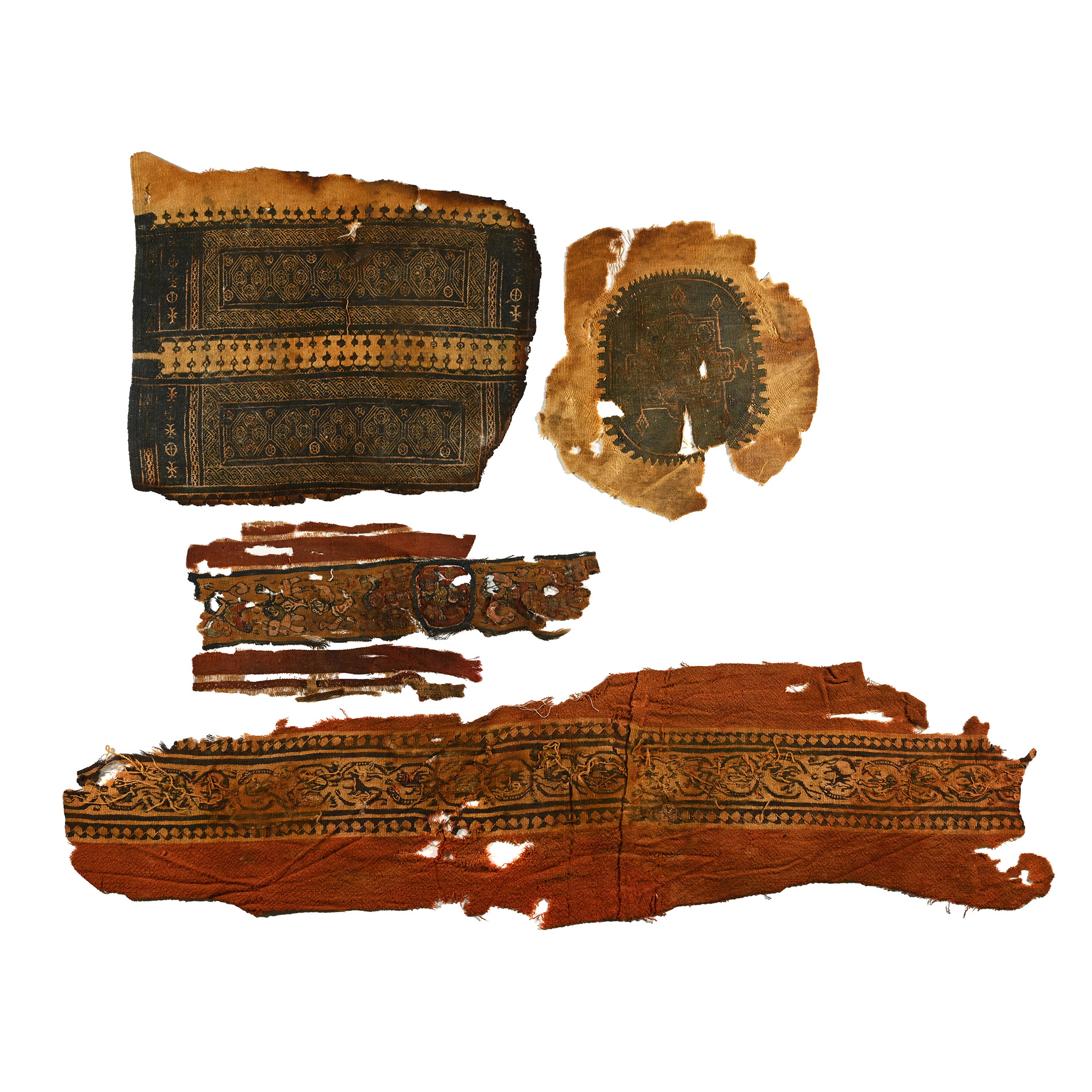
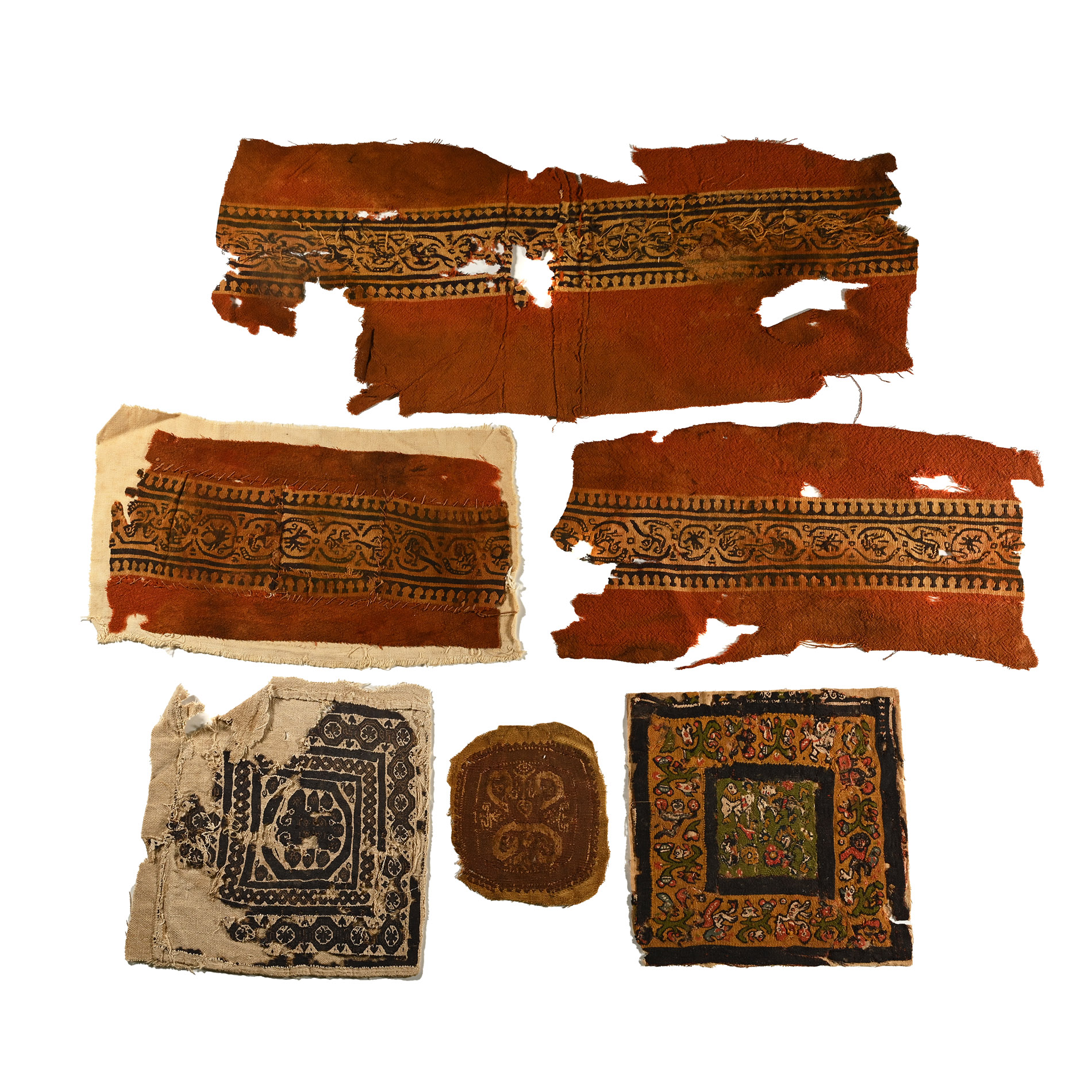
Coptic Textile Fragment Collection
4TH-6TH CENTURY A.D.
5 - 25 3/4 in. (450 grams total, 12.5-65.5 cm).
Mixed group, mainly decorative elements (clavi, orbiculi, tabulae) from various tunics made in late Antiquity; decoration partly figural (animals and mythical hybrid creatures, mostly in a separate tondo or panel) and partly ornamental (interlace patterns, lozenges, pomegranate borders, chevrons, heart-shaped leaves).
Provenancewith Christie's London, 27 April 1976, no.91 & 92.
Accompanied by a copy of an Art Loss Register certificate no.S00136676.
This lot is accompanied by an illustrated lot declaration signed by the Head of the Antiquities Department, Dr Raffaele D’Amato.
See Pritchard, F., Clothing Culture: Dress in Egypt in the First Millennium AD, Manchester, 2006, pp.74-75, for discussion.
CONDITIONTimeLine Auctions follows a vetting process to ensure the authenticity and legality of all items, reinforcing our commitment to integrity and responsible trading. Each antiquity, antique, and coin lot undergoes thorough examination by a vetting committee of at least ten external specialists, professional trade association members, scientists, and archaeologists: Our Vetting Process
AUCTIONS:
TimeLine is a leading auction house specialising in antiquities, ancient art, collectables, natural history, coins, medals, and books. Our auctions offer museums, collectors, historians, and enthusiasts the opportunity to acquire unique and historically significant pieces.
-
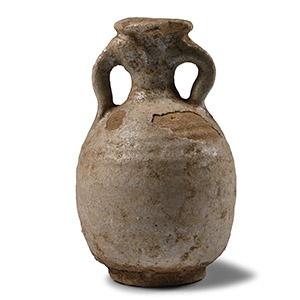
Faience Juglet
Parthian, 1st-2nd century A.D.Sold for (Inc. bp): £85
With barrel-shaped body. trumpet-shaped neck flanked by strap handles to the shoulder, horizontal ribbing. 106 grams, 10 cm
Acquired 1980-2015. Ex Abelita family collection. This lot is accompanied by an illustrated lot declaration signed by the Head of the Antiquities Department, Dr Raffaele D’Amato. -
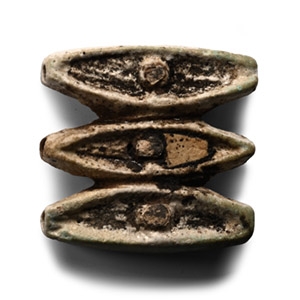
Egyptian Faience Triple Eye of Horus Amulet
Third Intermediate Period, 1070-713 B.C.Sold for (Inc. bp): £78
Amulet of a triple Eye of Horus, originally inlaid, pierced longitudinally for suspension. 4.27 grams, 28 mm
From an English deceased estate. Previously with Den of Antiquity, Cambridgeshire, UK, with stock code L838-3. Property of a Bristol, UK, gentleman. Ex TimesAncient, Bristol, UK. Accompanied by a copy of a previous catalogue entry, and a previous dealer's sales ticket. This lot is accompanied by an illustrated lot declaration signed by the Head of the Antiquities Department, Dr Raffaele D’Amato.
The Eye of Horus was a powerful symbol of protection in Ancient Egypt, also known as the Wedjet (or Ujat, meaning 'Whole One') and the 'all seeing eye'. It was believed to have healing and protective power and was used as an amulet. -
.jpg)
Egyptian Wooden Cow Giving Birth Diorama with Two Figures
Middle Kingdom, 11th-12th Dynasty, 2023-1862 B.C.Sold for (Inc. bp): £3,380
Comprising three figures to represent a calving scene: a standing cow or other quadruped giving birth to its young, its head, neck and forelegs emerging from the mother's rear, both with a black and white speckled coat; a standing male figure with articulated arms and pierced hands, wearing a kilt and cropped wig and with stylised facial detailing; a kneeling figure also with articulated arms, open-palm hands, wearing a kilt and cropped wig, stylised facial features; extensive remains of polychrome pigment. 113 grams total, 9.5-16 cm
From an early 20th century Home Counties collection. This lot has been checked against the Interpol Database of stolen works of art and is accompanied by search certificate no.11597-199209. This lot has been cleared against the Art Loss Register database, and is accompanied by an illustrated lot declaration signed by the Head of the Antiquities Department, Dr Raffaele D’Amato.
Such models would have been deposited in tombs; the purpose of such a scene was probably to evoke the season of spring, when calves were born, and the floodplain where farmers lived and raised their livestock.
