
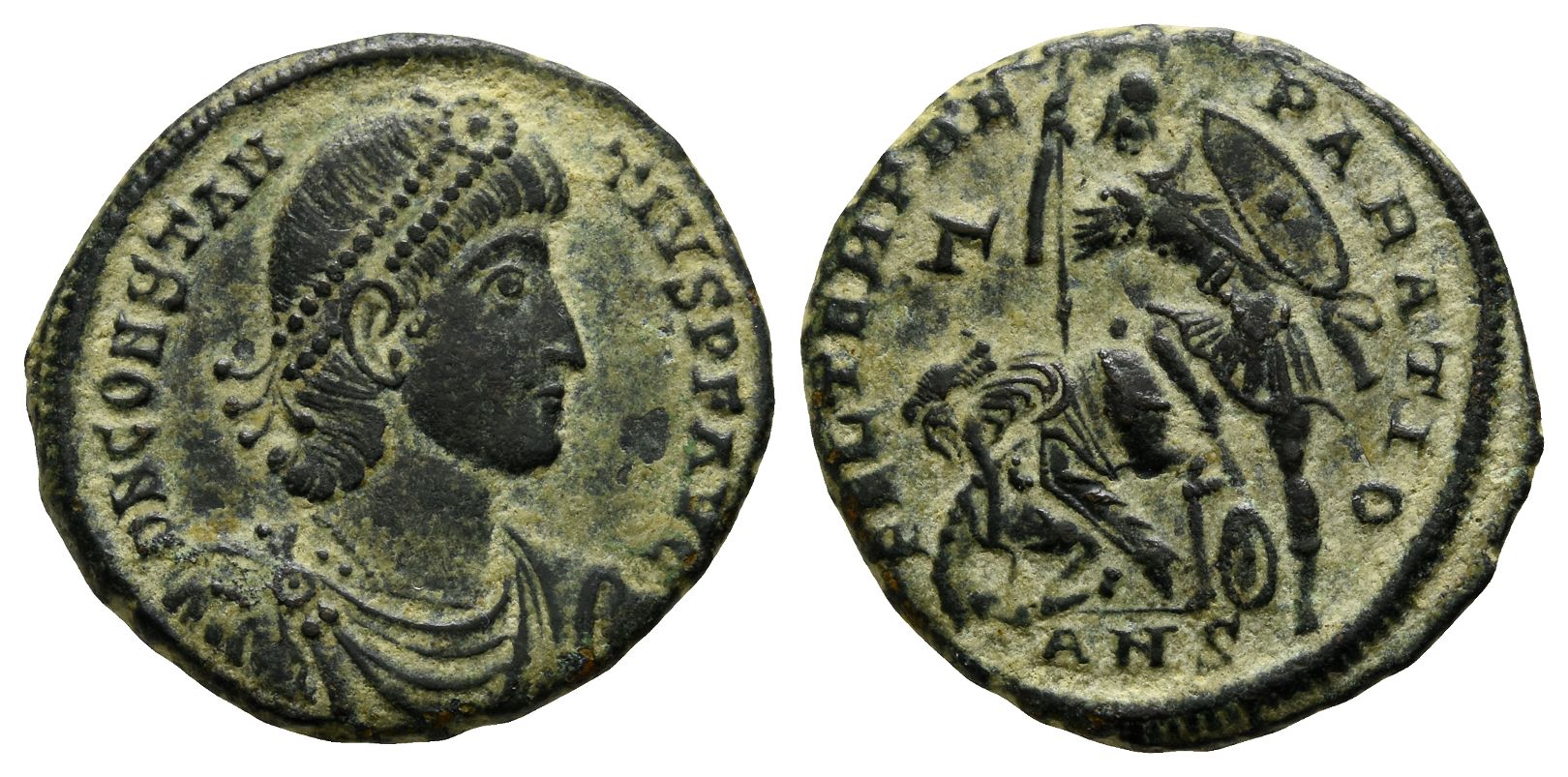
LOT 3444
Constantius II BI Centenionalis. AD 337-361.
Antioch mint; struck AD 350-355. 6th officina. D N CONSTAN-TIVS P F AVG, pearl-diademed, draped and cuirassed bust to right / FEL TEMP RE-PARATIO, soldier spearing fallen horseman to right; Γ in left field; ANS in exergue. RIC VIII 135; LRBC 2623. Good Very Fine.(5.45gr, 23mm, 12h.).
ProvenanceProperty of a Cambridgeshire, UK, gentleman.
TimeLine Auctions follows a vetting process to ensure the authenticity and legality of all items, reinforcing our commitment to integrity and responsible trading. Each antiquity, antique, and coin lot undergoes thorough examination by a vetting committee of at least ten external specialists, professional trade association members, scientists, and archaeologists: Our Vetting Process
AUCTIONS:
TimeLine is a leading auction house specialising in antiquities, ancient art, collectables, natural history, coins, medals, and books. Our auctions offer museums, collectors, historians, and enthusiasts the opportunity to acquire unique and historically significant pieces.
-
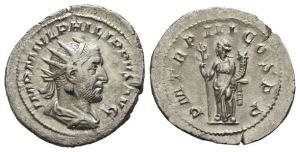
Philip I AR Antoninianus. AD 244-249.
Sold for (Inc. bp): £33
Rome mint; struck AD 246. IMP M IVL PHILIPPVS AVG, radiate, draped and cuirassed bust to right / P M TR P III COS P P, Felicitas standing facing, head to left, holding long caduceus and cornucopia. RIC IV 3; RSC 124. 4.27gr, 25mm, 7h.
Good Very Fine.
Ex German art market, 2000s. Acquired from an EU collector living in London. From the collection of a Surrey, UK, gentleman. -
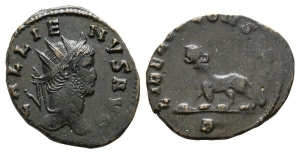
Gallienus BI Antoninianus. AD 253-268.
Sold for (Inc. bp): £13
Rome mint; struck AD 267-268. 2nd officina. GALLIENVS AVG, radiate head to right / LIBERO P CONS AVG, panther walking to left; B in exergue. RIC V.1 230 (sole reign); MIR 713b; RSC 586. 3.32gr, 22mm, 4h.
Very Fine.
From the private collection of Kenneth Machin (1936-2020). -
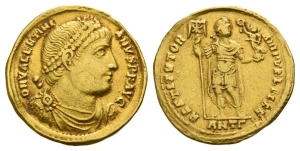
Valentinian I AV Solidus. AD 364-375.
Sold for (Inc. bp): £910
Antioch mint; struck AD 364-367. 3rd officina. D N VALENTINIANVS P F AVG, pearl-diademed, draped and cuirassed bust to right / RESTITVTOR REIPVBLICAE, emperor in military attire standing facing, head to right, holding Victory on globe and labarum inscribed with Christogram; ANTΓ in exergue. RIC IX 2a, ii. 4.40gr, 22mm, 6h.
Near Very Fine.
From the private collection of Kenneth Machin (1936-2020).
