
Loading, please wait...


LOT 2086
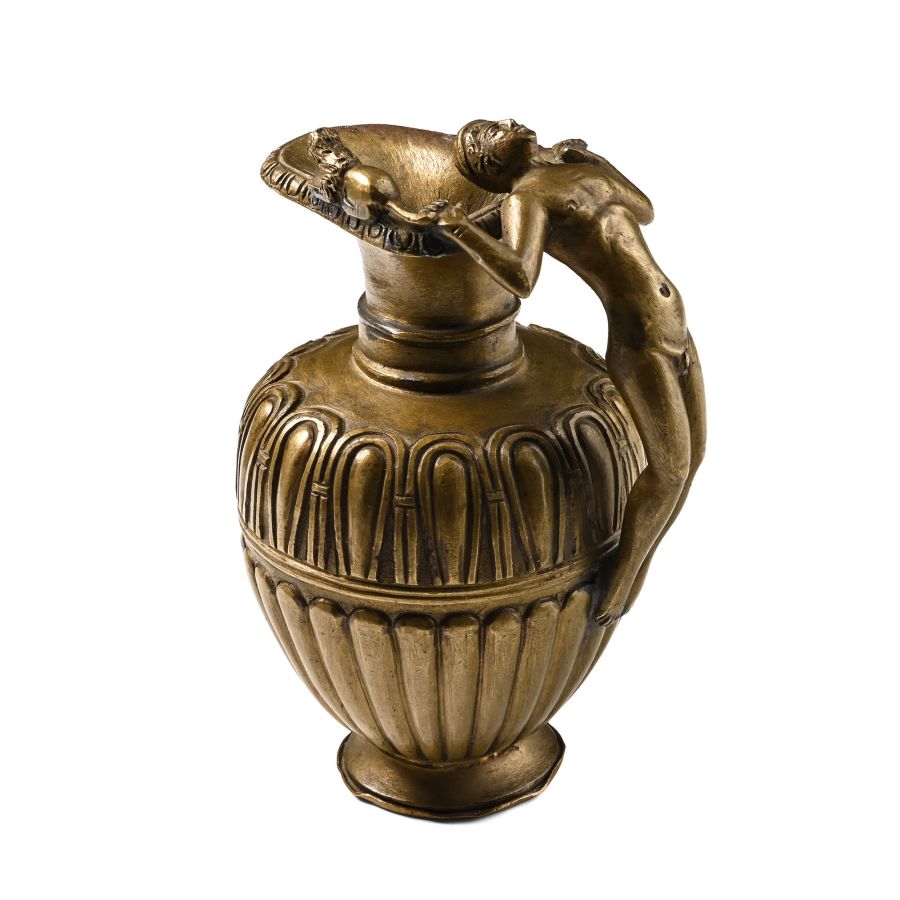
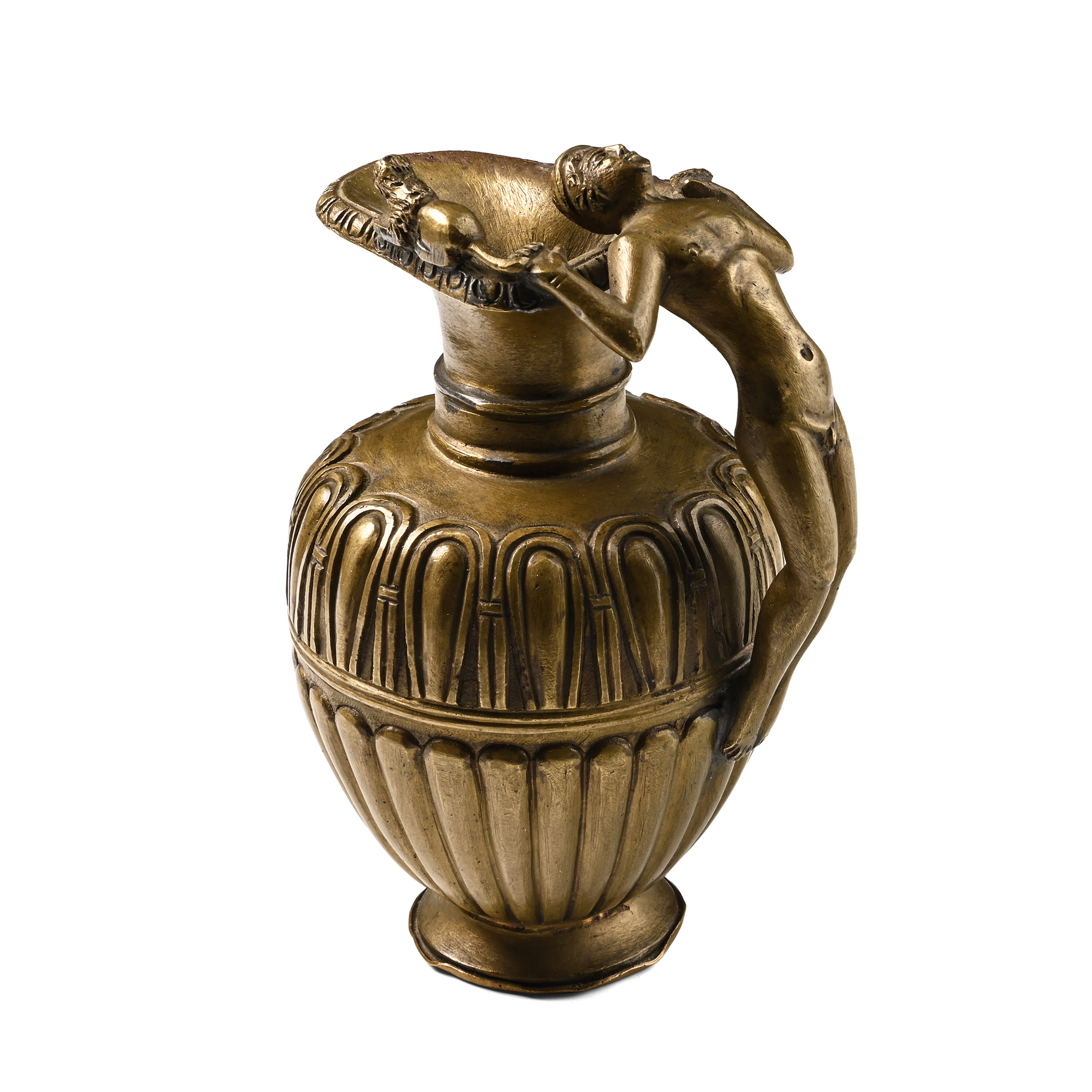
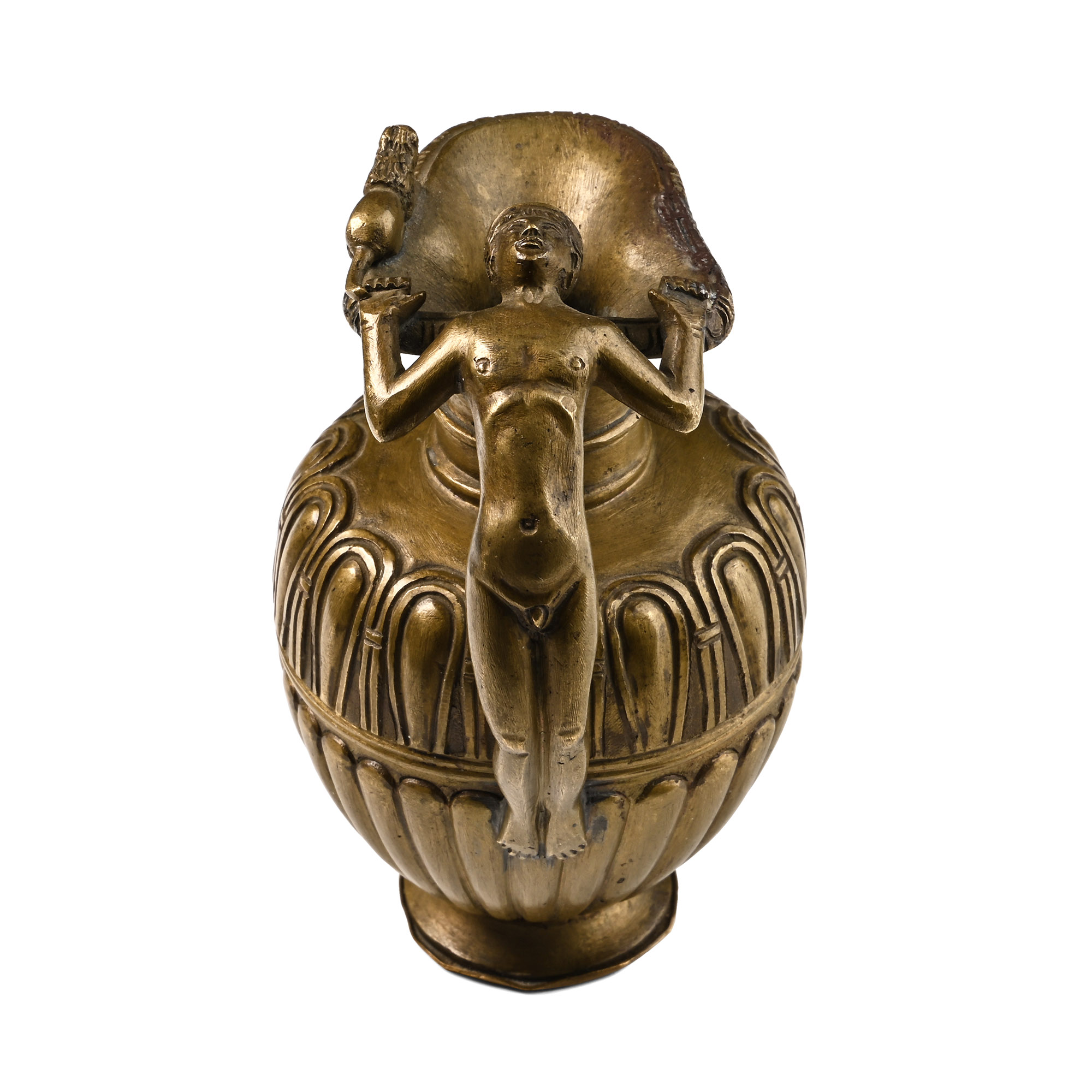
Classical Greek Style Bronze Vessel
20TH CENTURY A.D.
4 1/2 in. (543 grams, 11.3 cm).
Ovoid, fluted body with a narrow neck and a trefoil mouth, the handle formed as a nude youth grasping the tail of a lion resting on the rim. [No Reserve]
ProvenanceProperty of a Nottinghamshire, UK, gentleman.
CONDITIONTimeLine Auctions follows a vetting process to ensure the authenticity and legality of all items, reinforcing our commitment to integrity and responsible trading. Each antiquity, antique, and coin lot undergoes thorough examination by a vetting committee of at least ten external specialists, professional trade association members, scientists, and archaeologists: Our Vetting Process
AUCTIONS:
TimeLine is a leading auction house specialising in antiquities, ancient art, collectables, natural history, coins, medals, and books. Our auctions offer museums, collectors, historians, and enthusiasts the opportunity to acquire unique and historically significant pieces.
-
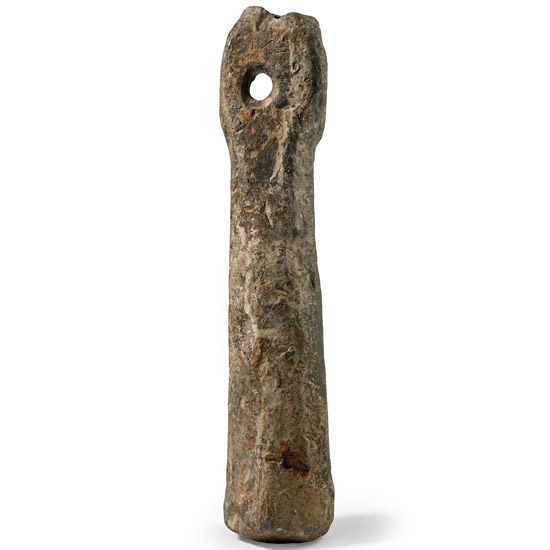
Tudor 'Thames' Lead Tall Ship's Depth Sounding Weight
Circa 16th century A.D.Sold for (Inc. bp): £247
Composed of a tapering and facetted body, a flattened pierced terminal. 6.2 kg, 29.5 cm
Found Thames foreshore at Deptford, UK, circa 1996. -

Gas / Petrol Station Original Poster Sign
1920-1940 A.D.Estimate: £80 - 100 (+bp*)
Opening Bid: £40
White coarse paper poster with red printed warning notice for a petrol station; to foot 'copies from Simpsons the Printers, Friar Gate, Derby'. 22 grams, 76.2 x 50.6 cm
Acquired on the UK art market. Property of a Harwich, UK, collector.
'Simpsons the Printers' was a local printing company specialising in postcards and photographic materials, active until the early 1960s. -
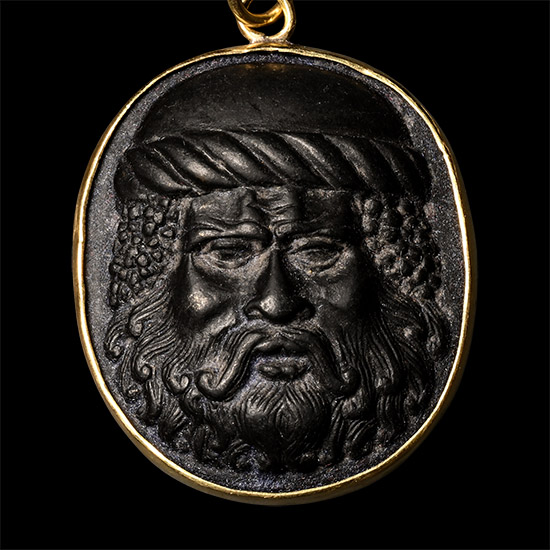
Gold Pendant with Glass Head
19th century A.D.Estimate: £500 - 700 (+bp*)
Opening Bid: £250
In low-relief, facing bust with braided band to his brow and bunch of grapes to each temple. 11.5 grams, 44 mm
Private collection, Europe. Acquired on the English art market.
