
LOT 3452
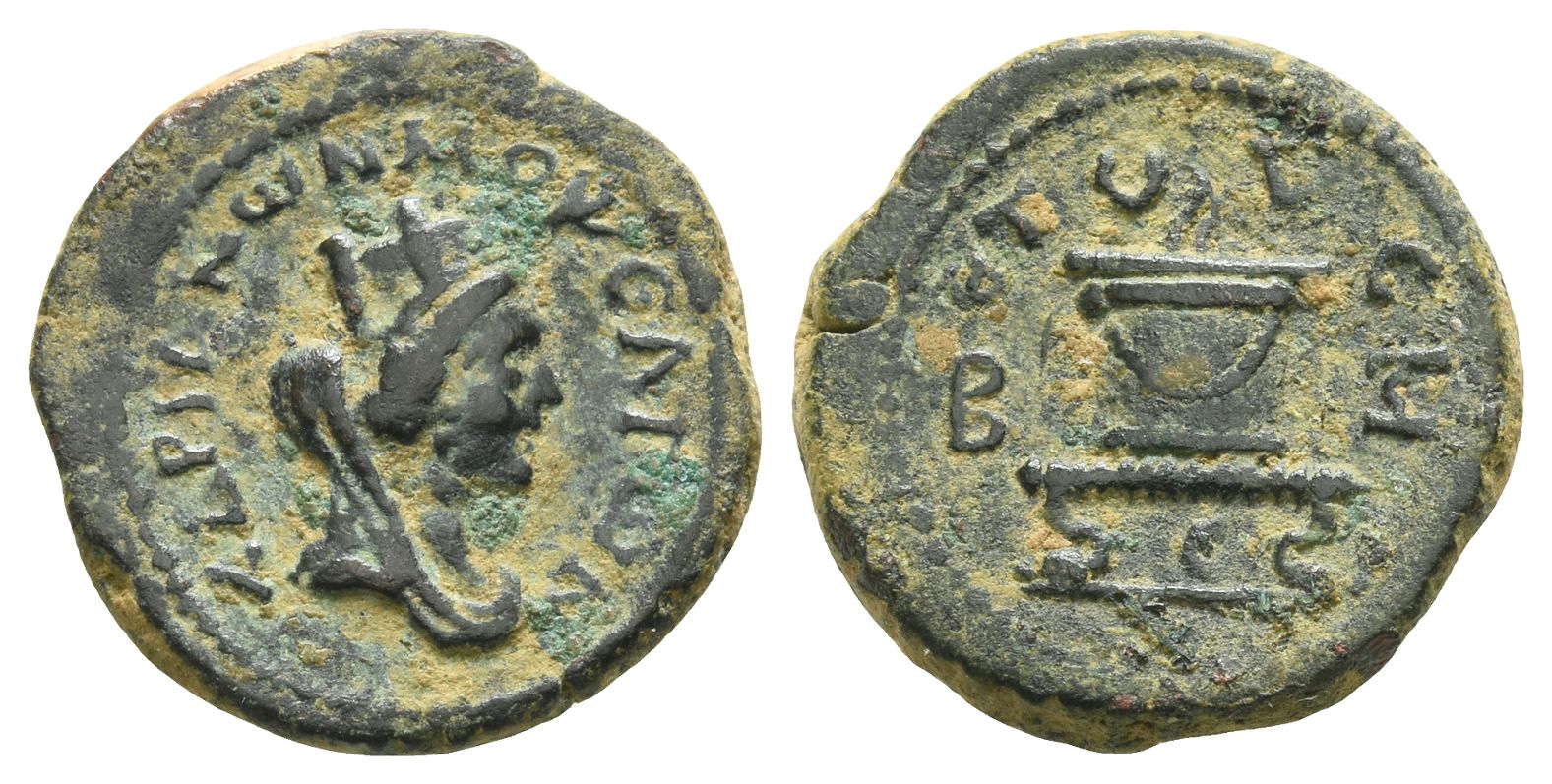
Cilicia, Mopsouestia-Mopsus AE 19mm. Dated CY 262 (AD 194/5). Time of Septimius Severus. Pseudo-autonomous issue.
ΑΔΡΙΑΝധΝ ΜΟΨΕΑΤധΝ, turreted, veiled and draped bust of Tyche to right / ЄTOVC B-Ξ-C (date), altar on stand. RPC IV.3 25422.1 (temporary) = SNG Levante 1342. Good Very Fine. Exceedingly rare. Best known specimen with clear date.(5.48gr, 19mm, 6h.).
ProvenanceAcquired on the European coin market.
Property of a Kent, UK, gentleman.
TimeLine Auctions follows a vetting process to ensure the authenticity and legality of all items, reinforcing our commitment to integrity and responsible trading. Each antiquity, antique, and coin lot undergoes thorough examination by a vetting committee of at least ten external specialists, professional trade association members, scientists, and archaeologists: Our Vetting Process
AUCTIONS:
TimeLine is a leading auction house specialising in antiquities, ancient art, collectables, natural history, coins, medals, and books. Our auctions offer museums, collectors, historians, and enthusiasts the opportunity to acquire unique and historically significant pieces.
-
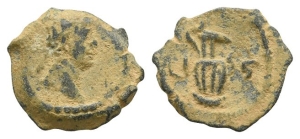
Trajan AE Dichalkon of Alexandria, Egypt. Dated RY 16 (AD 112/3).
Sold for (Inc. bp): £7
Laureate head to right / Oinochoe; L I-ϛ (date) across field. Köln -; Dattari (Savio) -; K&G 27.525; RPC III 4774; Emmett 726 (R5). 1.29gr, 14mm, 12h.
Very Fine. Very rare.
Property of a North London, UK, gentleman. -
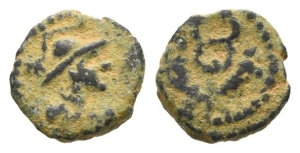
Palmyrene, Palmyra AE 10mm. Circa 1st-3rd centuries AD. Pseudo-autonomous issue.
Sold for (Inc. bp): £20
Helmetted and draped bust of Athena to right / Caduceus between two cornucopiae. De Saulcy -; BMC -; Krzyźanowska, Monnayage de Palmyre -; Lindgren I-; for a similar example cf. Roma, e-118, 791. 1.01gr, 10mm, 9h.
Very Fine. Extremely rare; unpublished.
Acquired on the European coin market. Property of a Kent, UK, gentleman. -
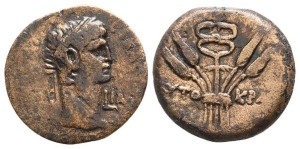
Claudius AE Diobol of Alexandria, Egypt. Dated RY 11 (AD 50/1).
Sold for (Inc. bp): £52
[ΤΙ ΚΛΑΥ ΚΑΙ ϹЄΒΑϹ ΓЄΡΜΑ], laureate head to right; L IA (date) beneath chin / AVTO-KPA, bundle of four stalks of grain with winged caduceus. RPC I 5182; Köln 100; Dattari (Savio) 141; K&G 12.70; Emmett 78.11. 6.80gr, 24mm, 1h.
Near Very Fine. Light brown patina.
From the collection of a gentleman, acquired on the London art market in the 1990s.
