
Loading, please wait...
LOT 2306
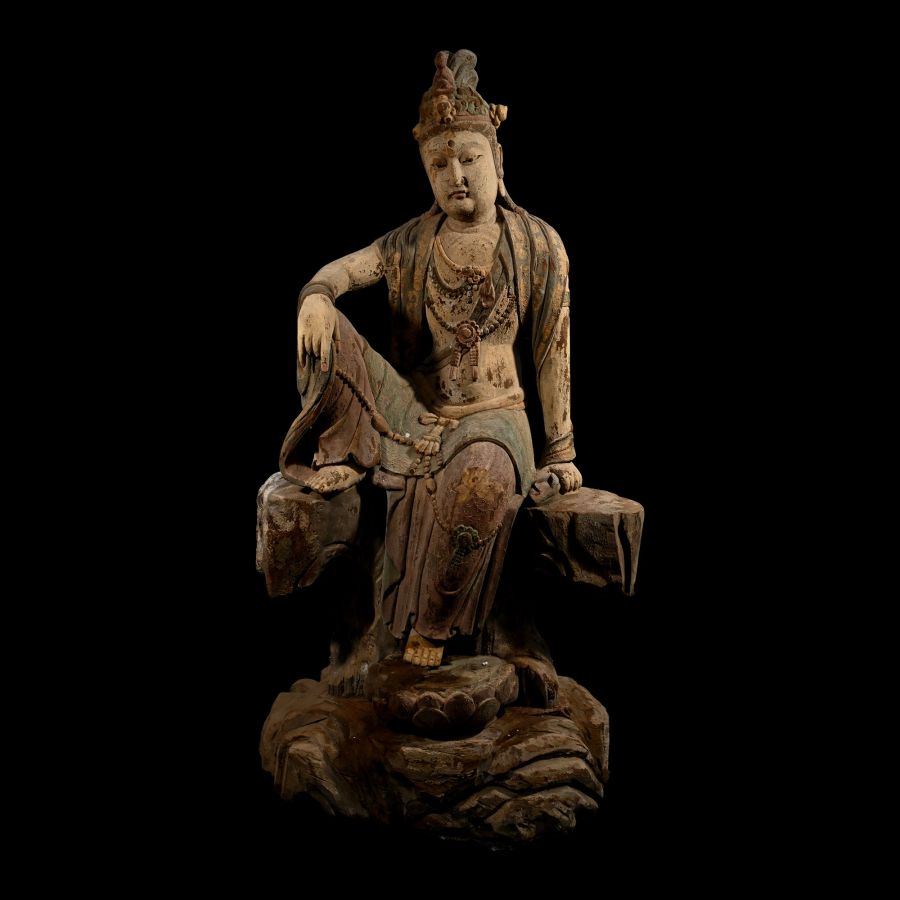
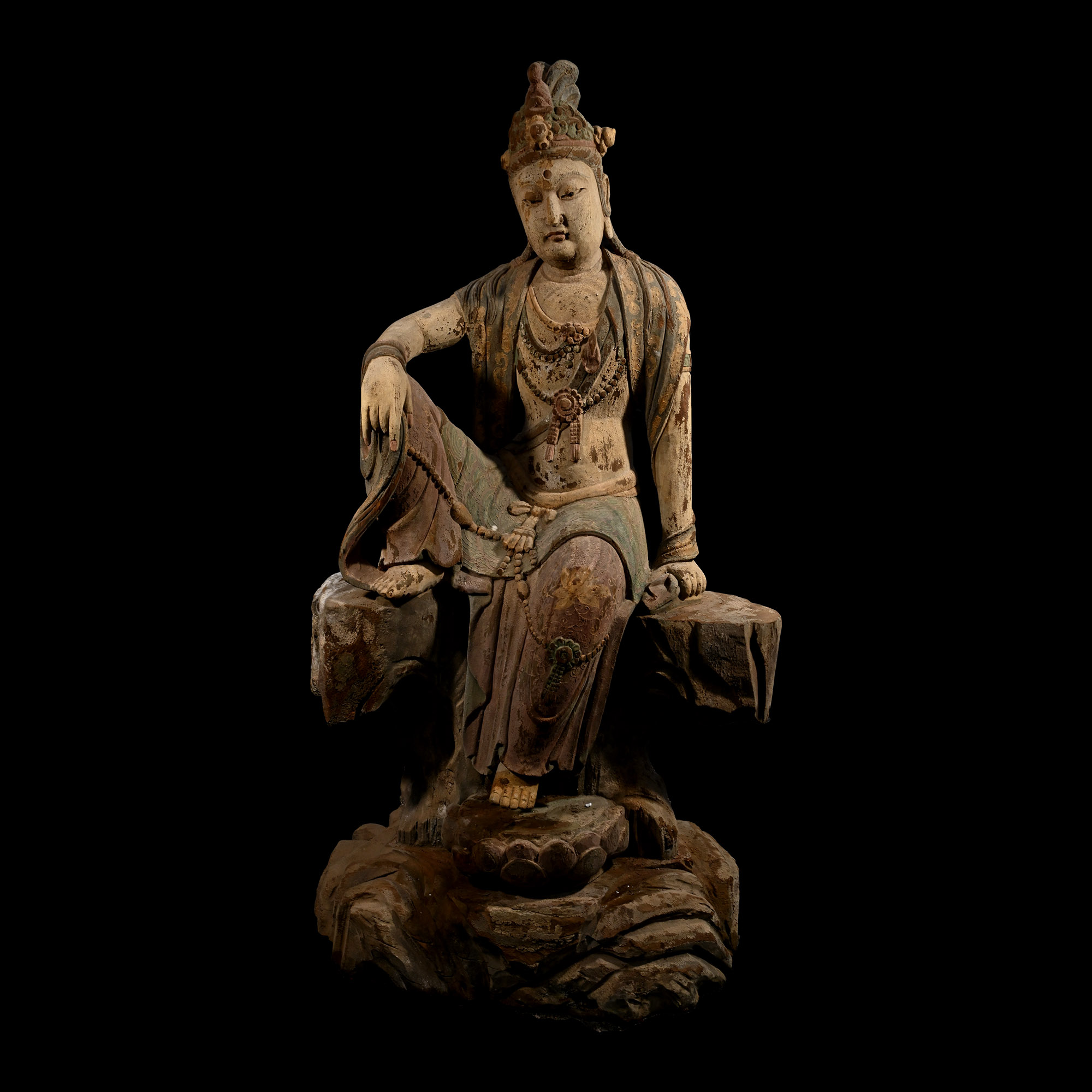
Chinese Wooden Guanyin Statue
MING DYNASTY, 1368-1644 A.D. OR LATER
69 in. (73.5 kg, 1.75 m).
Seated in an attitude of tranquil ease, right arm resting on the raised right knee and left one supporting the weight of the upper body; characteristic elongated earlobes, downcast eyes and slightly pursed lips; wearing an elaborate tall crown and embroidered voluminous robes.
ProvenanceEx West Country, UK, collection, 1990s.
This lot has been checked against the Interpol Database of stolen works of art and is accompanied by a search certificate number no.12561-231042.
This lot has been cleared against the Art Loss Register database, and is accompanied by an illustrated lot declaration signed by the Head of the Antiquities Department, Dr Raffaele D’Amato.
Bodhisattva Guanyin is a divine being who attained enlightenment but chose to stay in the world to help others. The name Guanyin is an abbreviation of Guanshiyin, meaning: “Perceiver of the World’s Sounds”, and is thought to have responded to the calls of those in peril.
CONDITIONTimeLine Auctions follows a vetting process to ensure the authenticity and legality of all items, reinforcing our commitment to integrity and responsible trading. Each antiquity, antique, and coin lot undergoes thorough examination by a vetting committee of at least ten external specialists, professional trade association members, scientists, and archaeologists: Our Vetting Process
AUCTIONS:
TimeLine is a leading auction house specialising in antiquities, ancient art, collectables, natural history, coins, medals, and books. Our auctions offer museums, collectors, historians, and enthusiasts the opportunity to acquire unique and historically significant pieces.
LOT 2306
Chinese Wooden Guanyin Statue
Estimate £5,000 - 7,000€5,800 - 8,120 (for guidance only)$6,750 - 9,450 (for guidance only)
-
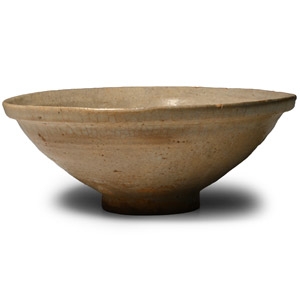
Chinese Tang White Ware Bowl
Tang Dynasty, 618-907 A.D. or laterSold for (Inc. bp): £72
Broad body with carinated rim, incised ring at centre, disc foot. 334 grams, 17 cm
Ex West Country, UK, collection, 1990s. This lot is accompanied by an illustrated lot declaration signed by the Head of the Antiquities Department, Dr Raffaele D’Amato. -
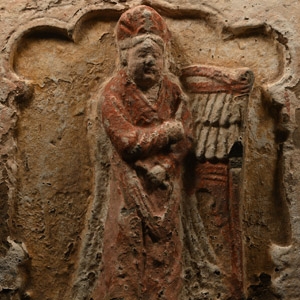
Chinese Song Terracotta Tile with Handprint Signature to Verso
Song Dynasty, 960-1279 A.D. or laterEstimate: £180 - 240 (+bp*)
Opening Bid: £90
Comprising an elaborate ogival niche, standing figure dressed in long robes and holding a drumstick in one hand and fly-whisk in the other, beside a small architectural frame for a musical instrument; handprint to reverse.. 5.8 kg, 29 x 29 cm
Ex West Country, UK, collection, 1990s. This lot is accompanied by an illustrated lot declaration signed by the Head of the Antiquities Department, Dr Raffaele D’Amato. -
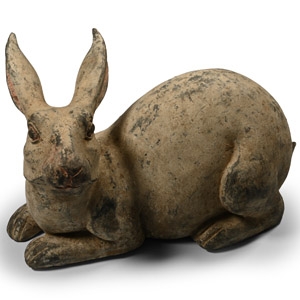
Chinese Tang Terracotta Rabbit
Tang Dynasty, 618-907 A.D.Sold for (Inc. bp): £1,235
Modelled in the round in a couchant posture with ears pricked; pigment detailing to the ears, nose and eyes, firing hole to the base. 2.9 kg, 27 cm
Ex West Country, UK, collection, 2000s. Accompanied by thermoluminescence analysis report no.11C26042024 by Laboratory Kotalla. This lot is accompanied by an illustrated lot declaration signed by the Head of the Antiquities Department, Dr Raffaele D’Amato.
