
Loading, please wait...

LOT 2226
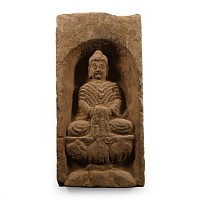
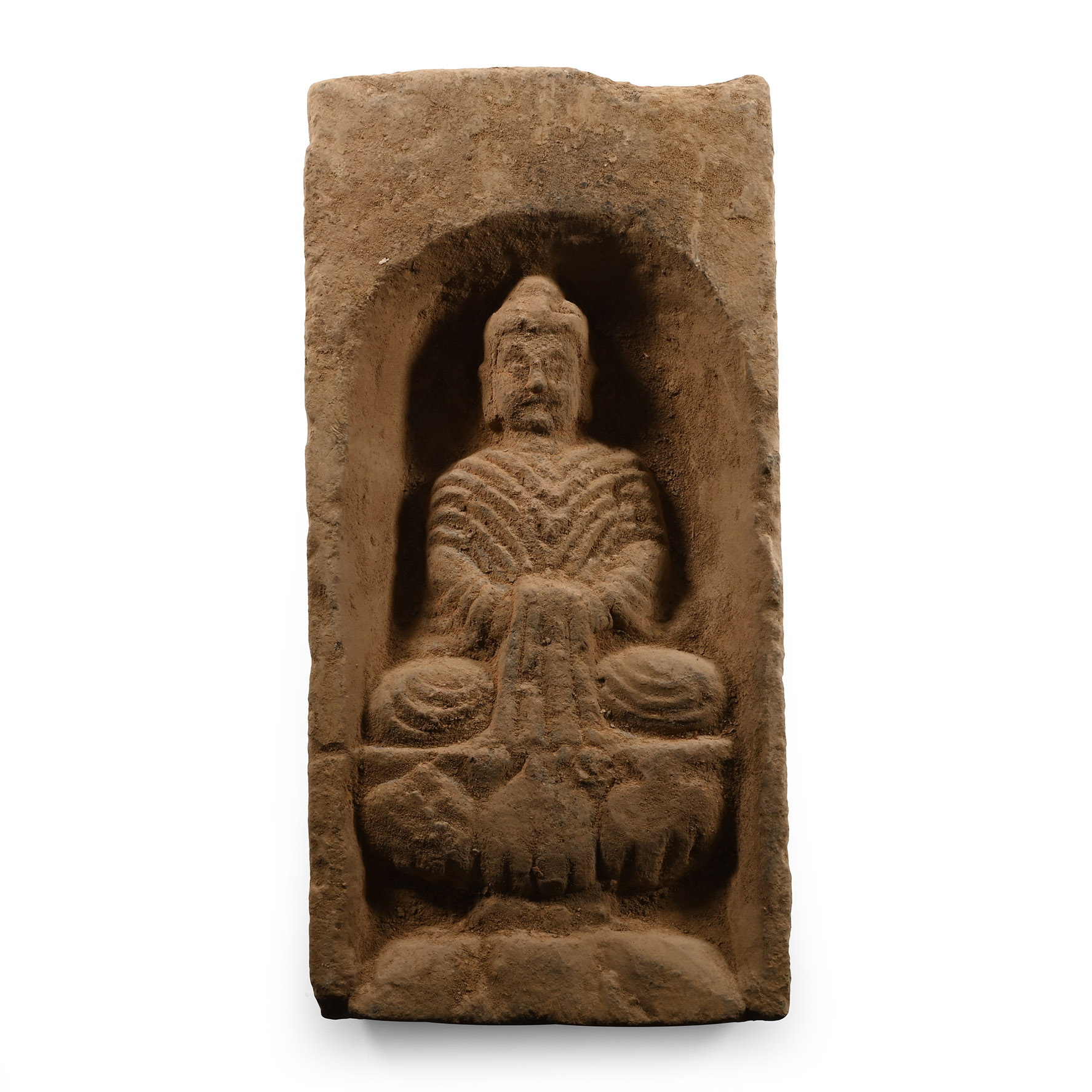
Chinese Wei Terracotta Buddha Brick
NORTHERN WEI, 386-534 A.D. OR LATER
11 1/4 in. (3.16 kg, 28.5 cm).
Seated in a lotus pose on a low throne, his robe draped at the chest and legs.
ProvenanceEx Hong Kong collection, 1990s.
From a London, UK, collection.
TimeLine Auctions follows a vetting process to ensure the authenticity and legality of all items, reinforcing our commitment to integrity and responsible trading. Each antiquity, antique, and coin lot undergoes thorough examination by a vetting committee of at least ten external specialists, professional trade association members, scientists, and archaeologists: Our Vetting Process
AUCTIONS:
TimeLine is a leading auction house specialising in antiquities, ancient art, collectables, natural history, coins, medals, and books. Our auctions offer museums, collectors, historians, and enthusiasts the opportunity to acquire unique and historically significant pieces.
-
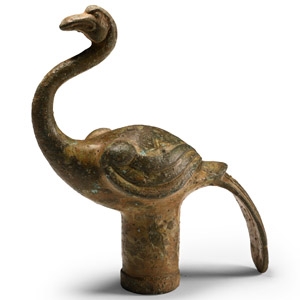
Chinese Han Style Bronze Crane Finial
20th century A.D.Sold for (Inc. bp): £117
With stylised detailing and cylindrical socket, S-curved neck. 273 grams, 13 cm
Acquired 1980-1990s. Ex West Country, UK, collection. -
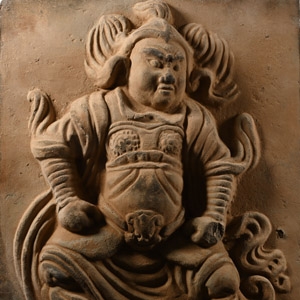
Chinese Song Terracotta Tile with Standing Warrior
Song Dynasty, 960-1279 A.D. or laterSold for (Inc. bp): £208
With high-relief image of a warrior standing with hands resting on his spread legs, wearing a helmet and armour with mask ornament to the abdomen over a flowing floor-length robe, riding boots placed firmly on a scrolled baseline. 6 kg, 35.5 cm
From a West Country, UK, collection, 1990s. -
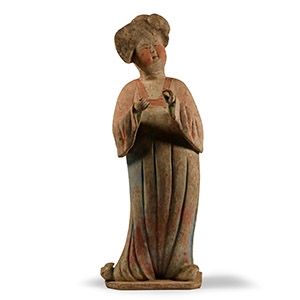
Chinese Tang Terracotta Courtly Lady
Tang Dynasty, 618-907 A.D.Estimate: £1,800 - 2,400 (+bp*)
Opening Bid: £900
Standing on a polygonal base, elaborately dressed hair and blusher on her cheeks, dressed in a draped long blue robe with red detailing, cloud slippers emerging from beneath the hem; arms raised within the sleeves exposing her delicate hands. 3.88 kg, 49 cm
From a West Country, UK, collection, 1990s. Accompanied by a thermoluminescence analysis report no.15C26042024 from Laboratory Kotalla. This lot has been checked against the Interpol Database of stolen works of art and is accompanied by a search certificate number no.12449-226807.
