
Loading, please wait...
LOT 2149
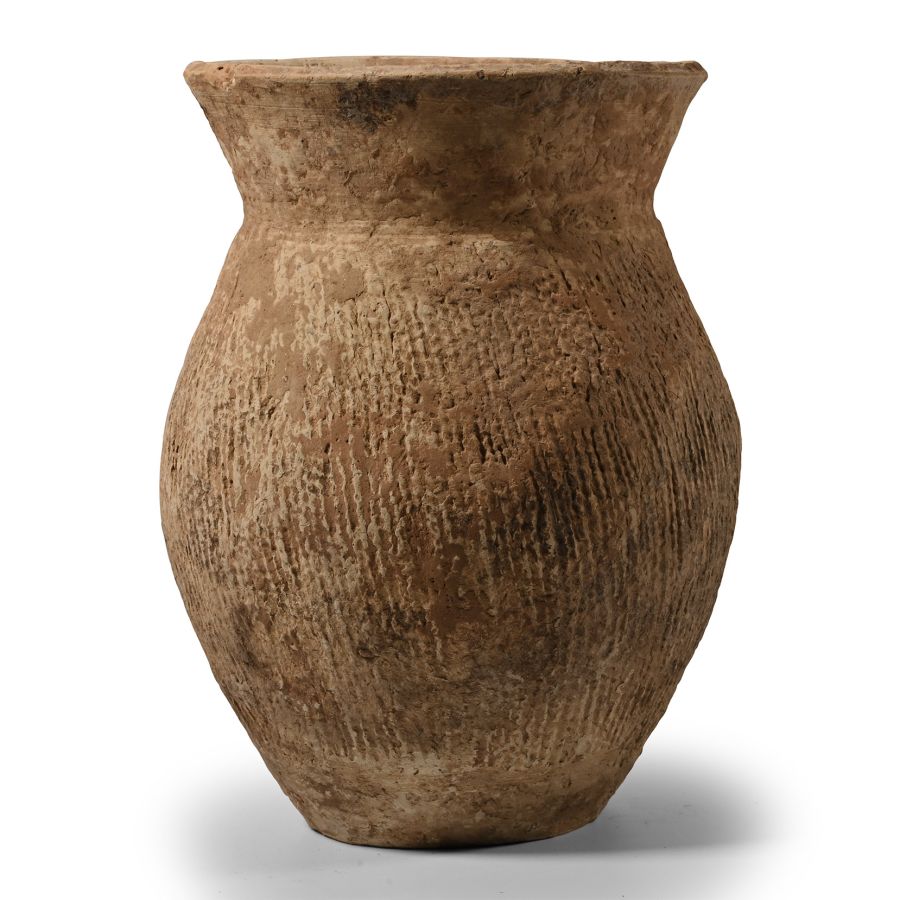
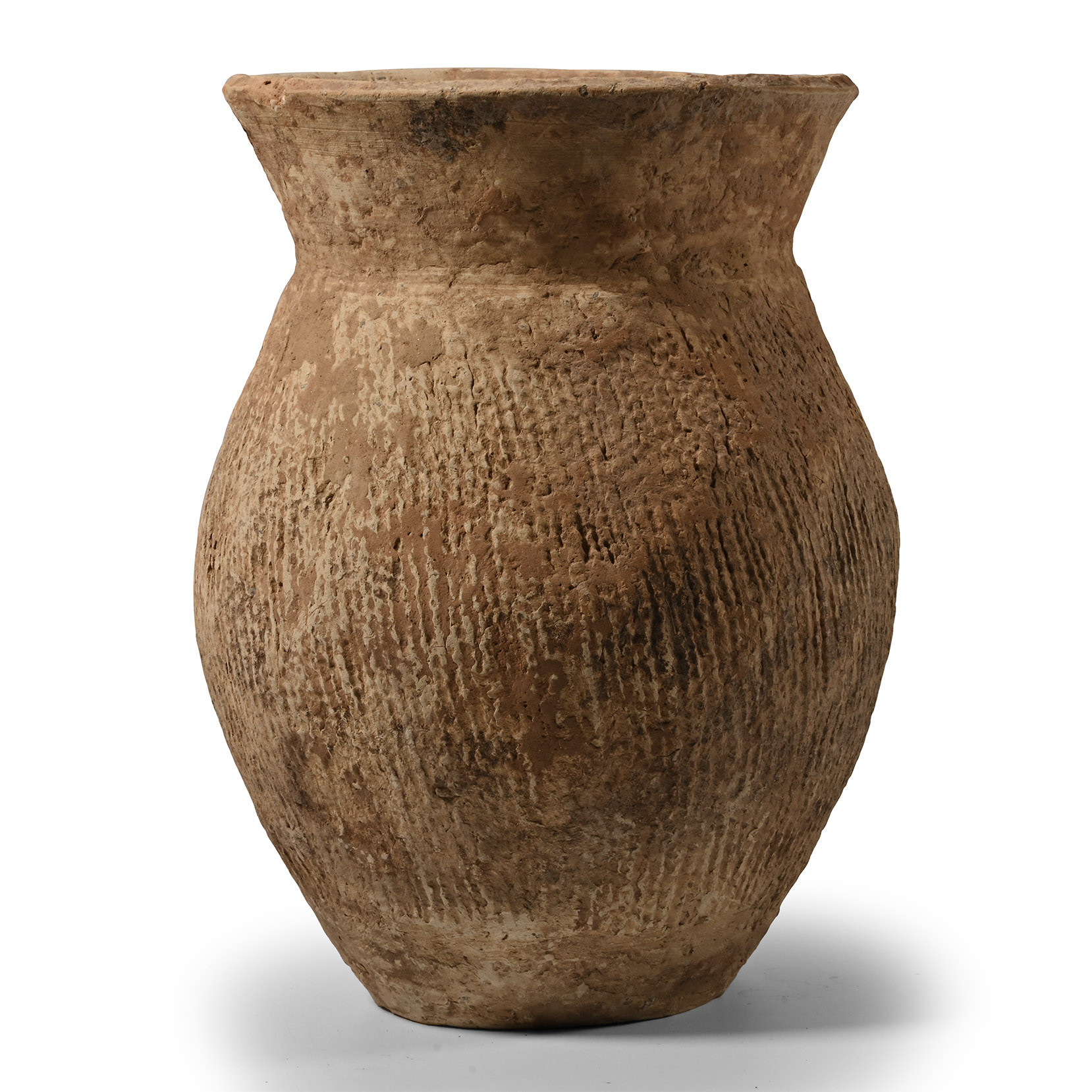
Chinese Textured Buff Ware Jar
NEOLITHIC PERIOD, 3RD MILLENNIUM B.C.
7 1/2 in. (920 grams, 19 cm).
Comprising a biconvex jar with flared rim, ridged leather texture to the body and shoulder. [No Reserve]
ProvenanceAcquired prior to 2004.
Ex Cheuk family collection, London, UK.
TimeLine Auctions follows a vetting process to ensure the authenticity and legality of all items, reinforcing our commitment to integrity and responsible trading. Each antiquity, antique, and coin lot undergoes thorough examination by a vetting committee of at least ten external specialists, professional trade association members, scientists, and archaeologists: Our Vetting Process
AUCTIONS:
TimeLine is a leading auction house specialising in antiquities, ancient art, collectables, natural history, coins, medals, and books. Our auctions offer museums, collectors, historians, and enthusiasts the opportunity to acquire unique and historically significant pieces.
-
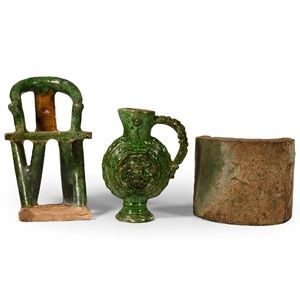
Chinese Green Glazed Terracotta Artefact Collection
Ming Dynasty, 1368-1644 A.D. or laterSold for (Inc. bp): £52
Comprising a model folding chair with back-rest and integral arms, flagon with high-relief detailing and flared base, low arched support. 1.89 kg total, 14-20 cm
From a family collection mostly formed in the 1940s-1950s, thence by descent. -
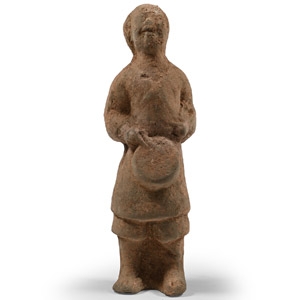
Chinese Han Terracotta Figure
Han Dynasty, 206 B.C.-220 A.D. or laterSold for (Inc. bp): £59
Modelled in the round standing figure in knee-length tunic and riding boots, with a tambour at his waist. 293 grams, 19 cm
From a West Country, UK, collection, 1990s. -
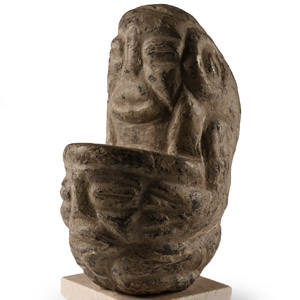
South East Asian Stone Funerary Idol
4th-3rd century B.C. or laterSold for (Inc. bp): £85
Carved in the round as a crouching figure clutching an offering bowl on his lap; mounted on a display stand. 650 grams total, 11.1 cm including stand
From a collection acquired on the UK art market from various auction houses and collections mostly before 2000. From an important Cambridgeshire estate; thence by descent.
