
Loading, please wait...
LOT 2174
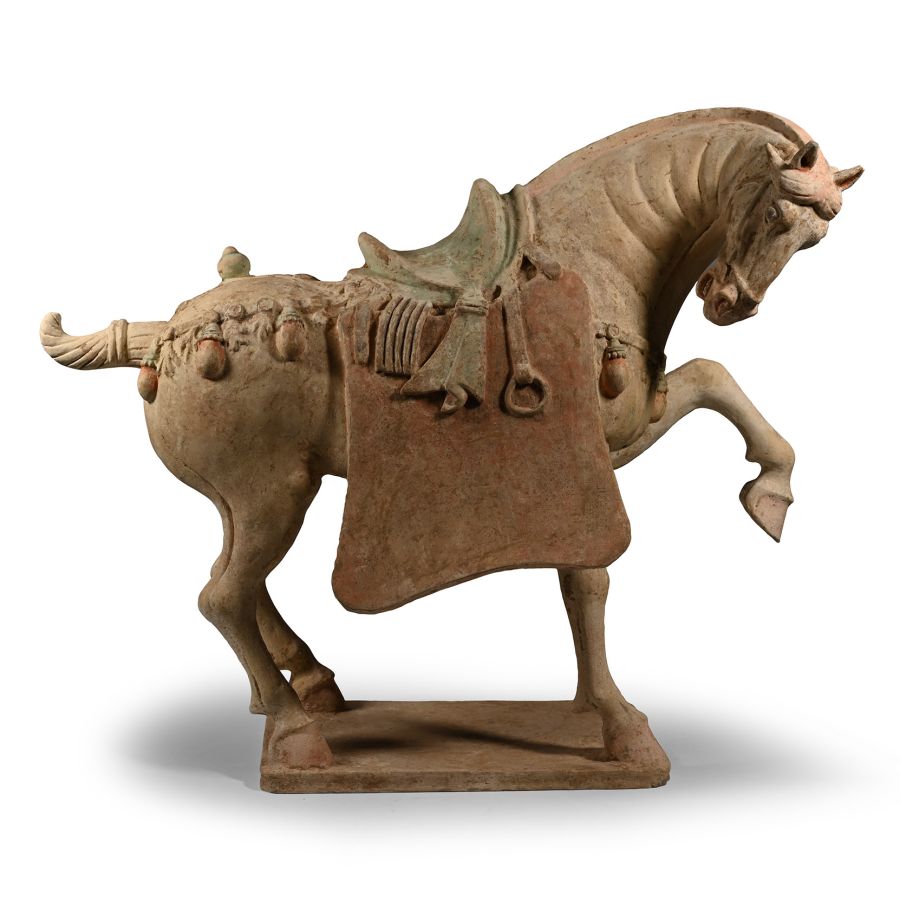
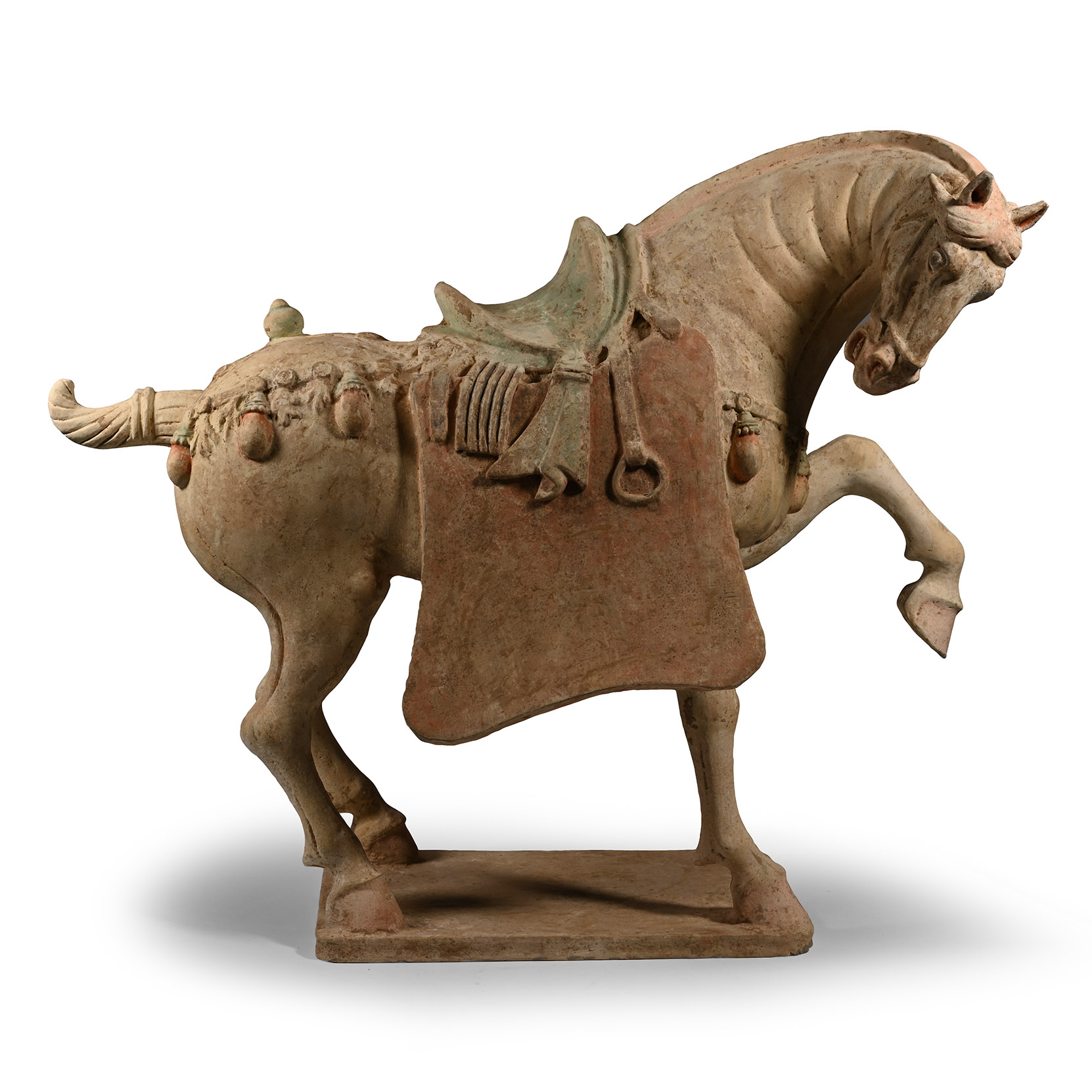
Chinese Tang Terracotta Horse
TANG DYNASTY, 618-907 A.D.
20 in. (14.2 kg, 51 cm high).
Modelled in the round standing on a rectangular base, one foreleg raised, head bent down and to the right, short dressed tail tied with a ribbon; wearing saddlecloth, saddle and harness adorned with bells; remaining polychrome pigmentation.
ProvenanceFrom a West Country, UK, collection, 1990s.
Accompanied by a thermoluminescence analysis report no.C122d29 from Oxford Authentication.
This lot has been checked against the Interpol Database of stolen works of art and is accompanied by search certificate number no.203476.
See Prodan, M., The Art of The T'ang Potter, London, 1960, for a comparable example (pl.XI).
CONDITIONTimeLine Auctions follows a vetting process to ensure the authenticity and legality of all items, reinforcing our commitment to integrity and responsible trading. Each antiquity, antique, and coin lot undergoes thorough examination by a vetting committee of at least ten external specialists, professional trade association members, scientists, and archaeologists: Our Vetting Process
AUCTIONS:
TimeLine is a leading auction house specialising in antiquities, ancient art, collectables, natural history, coins, medals, and books. Our auctions offer museums, collectors, historians, and enthusiasts the opportunity to acquire unique and historically significant pieces.
-
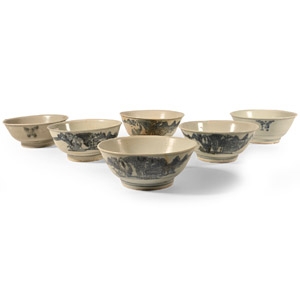
Large Tek Sing Treasure Shipwreck Glazed Blue and White Bowl Set
Early 19th century A.D.Sold for (Inc. bp): £156
Each a footed bowl with dense floral and other ornament to the sidewall. 1.82 kg total, 14-15.2 cm
Ex Nagel Auction, with official Tek Sing Treasure labels to veso. Accompanied by an illustrated information sheet about the Tek Sing shipwreck.
The Tek Sing (True Star) wreck is one of the famous recovery stories of the 20th century. Sailing from the port of Xiamen (then known as Amoy) in February 1822 the vessel Tek Sing was bound for Jakarta, Indonesia laden with porcelain goods and 1600 Chinese emigrants. The captain decided to pass through the Gaspar Strait, between the Bangka-Belitung Islands, and ran aground on a reef. The vessel sank in about 100 feet of water. The next morning, February 7, an English East Indiaman captained by James Pearl, passing through the same waters, encountered debris and some survivors and managed to rescue about 190 of the latter. -
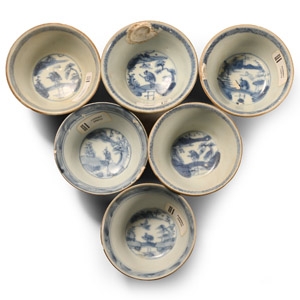
Ca Mau Cargo Shipwreck Glazed Blue and White Tea Bowl Group
Early 18th century A.D.Sold for (Inc. bp): £156
Each a miniature bowl with landscape motif to the centre, stippled band below the rim, tan-brown exterior. 250 grams total, 65-66 mm
Ex Sotheby's, Amsterdam, 29-31 January 2007. Accompanied by an illustrated information sheet about the Ca Mau shipwreck.
The Ca Mau shipwreck refers to a cargo of Chinese porcelain sunk between 1723 and 1735 off the coast of Vietnam. The wreck was discovered by Vietnamese fishermen in 1998. It is believed the wreck was a merchant’s junk on its way from Canton (Guangzhou) to Batavia when it caught fire and sank. The ship was carrying goods destined for Dutch traders who had limited access to China and its ports. -
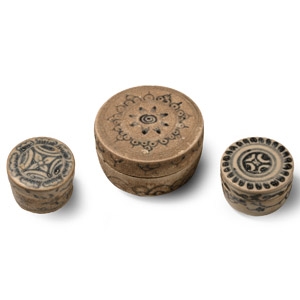
Hoi An Cargo Shipwreck Glazed Blue and White Lidded Box Collection
15th century A.D.Sold for (Inc. bp): £91
Comprising three powder boxes with painted rosette to the lid, tendrils to the sidewall. 144 grams total, 34-57 mm
Ex Butterfield and Butterfield auction with official Hoi An Hoard labels. Accompanied by an illustrated information sheet about the Hoi An shipwreck.
In the mid 15th century a freighting junk loaded with fine Vietnamese pottery sank in an area of the South China Sea called the 'Dragon’s Embrace.' This vessel is part of the shipwreck cargo recovered off the coast of Vietnam at Hoi An. The ceramics themselves were probably made in the area of Chu Dau.
