
Loading, please wait...
LOT 2190
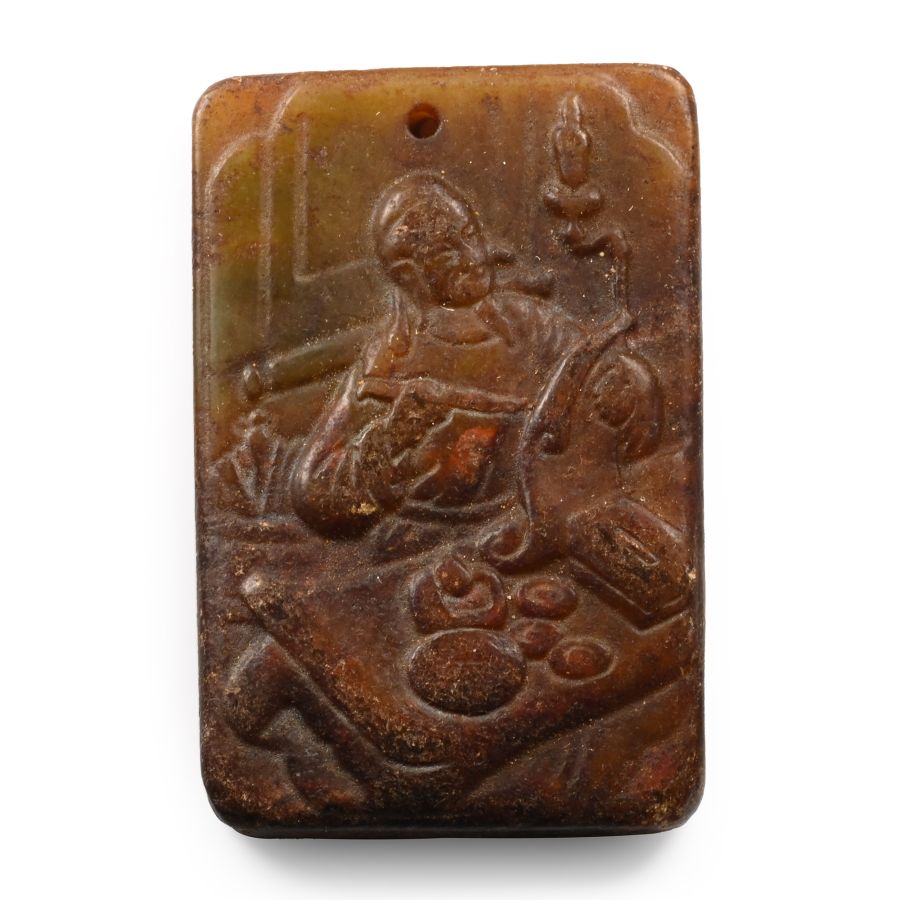
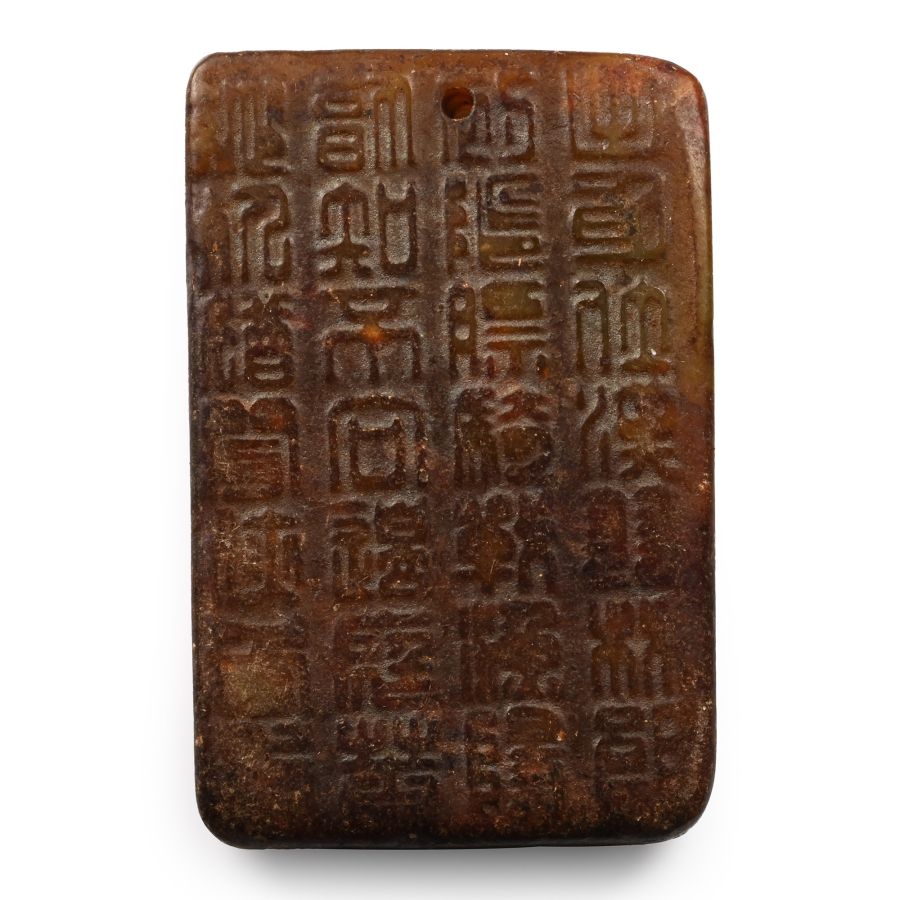
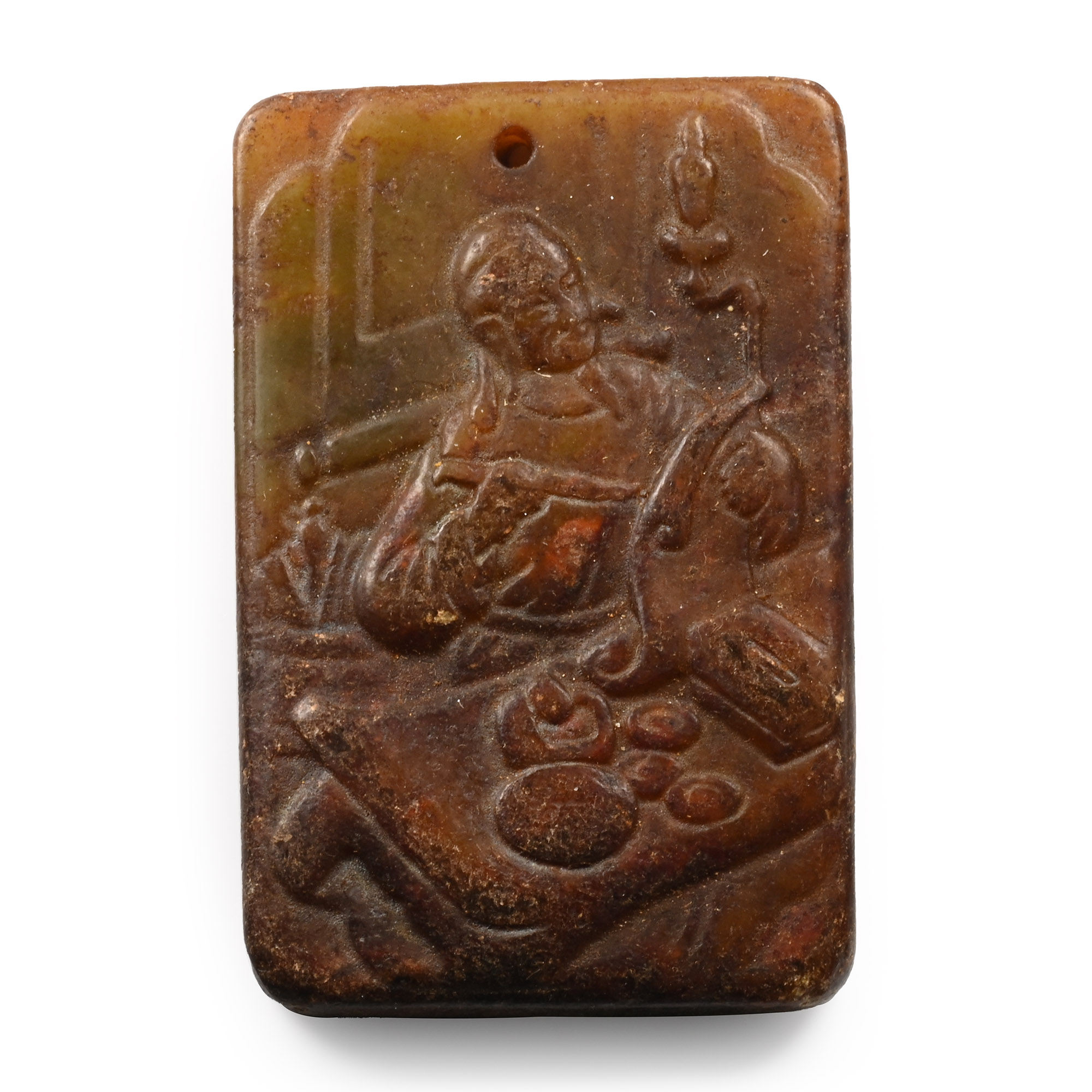
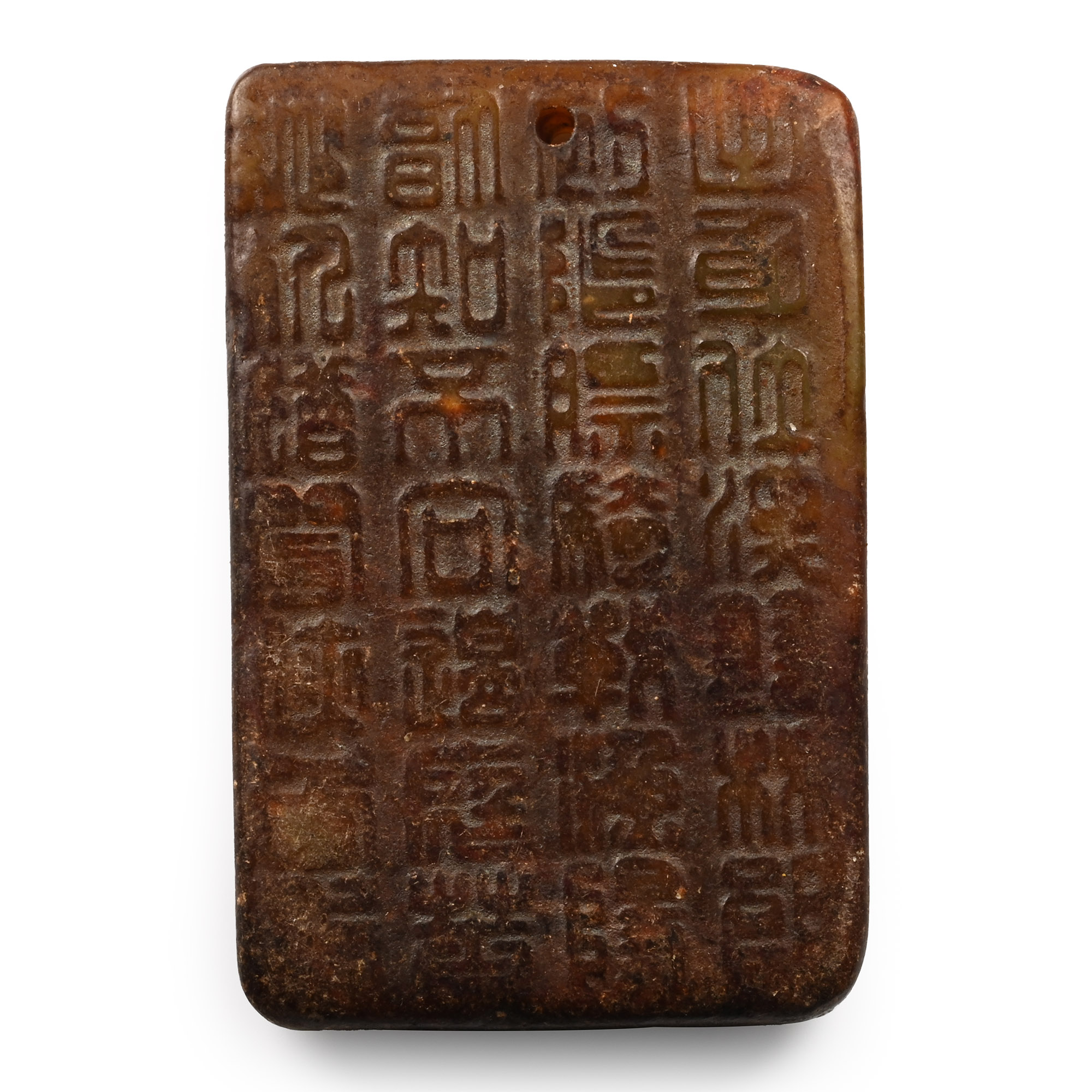
Chinese Style Hardstone Plaque
20TH CENTURY A.D.
2 1/4 in. (37 grams, 57 mm).
Rectangular in plan, pierced at upper edge; obverse with low-relief scene of a scribe, reverse with dense text. [No Reserve]
ProvenanceFrom a Parisian collection, 1980-2000s.
This lot is accompanied by an illustrated lot declaration signed by the Head of the Antiquities Department, Dr Raffaele D’Amato.
TimeLine Auctions follows a vetting process to ensure the authenticity and legality of all items, reinforcing our commitment to integrity and responsible trading. Each antiquity, antique, and coin lot undergoes thorough examination by a vetting committee of at least ten external specialists, professional trade association members, scientists, and archaeologists: Our Vetting Process
AUCTIONS:
TimeLine is a leading auction house specialising in antiquities, ancient art, collectables, natural history, coins, medals, and books. Our auctions offer museums, collectors, historians, and enthusiasts the opportunity to acquire unique and historically significant pieces.
-
.jpg)
Roman Style Silver Dog Brooch
20th century A.D.Sold for (Inc. bp): £52
Hollow-formed dog with its head resting on it forepaws, with textured fur, catch beneath the head and pin-lugs beneath the hindlegs, hinged pin. 16.6 grams, 34 mm
Acquired on the UK art market from various auction houses and collections mostly before 2000. From an important Cambridgeshire estate; thence by descent. This lot is accompanied by an illustrated lot declaration signed by the Head of the Antiquities Department, Dr Raffaele D’Amato. -
Engraving of the City of Cheb/Egra in the Czech Republic
Circa 1560 A.D.Sold for (Inc. bp): £111
Finely engraved large full-page view map of the city of Cheb/Egra, Czech Republic, showing St Nicolas' Cathedral and other notable landmarks, from Sebastian Munster's "Cosmographia", ca. 1560; Latin text to verso describing the town. 58 grams, 41.2 x 28.5 cm
Acquired on the UK art market. Scottish private collection. This lot is accompanied by an illustrated lot declaration signed by the Head of the Antiquities Department, Dr Raffaele D’Amato. -
Cross and Corpus Group
18th-19th century A.D.Sold for (Inc. bp): £33
Comprising three Corpus Christi figures in bronze and bone, modelled in the round with arms outstretched, loin cloth to the thighs, feet placed (on two of them) on the supporting block; one without cross. 171 grams total, 12.6-19.5 cm
From the private collection of Victor Brox (1941-2023), formed in the 1980s-1990s. This lot is accompanied by an illustrated lot declaration signed by the Head of the Antiquities Department, Dr Raffaele D’Amato.
The artists, probably Italian, with extraordinary dedication and sensitivity, created images of a still living Christ, afflicted by suffering. They had paid great attention to detail, with particular care taken over the softly curled hair, tense musculature, and protruding ribs.
