
Loading, please wait...
LOT 2382
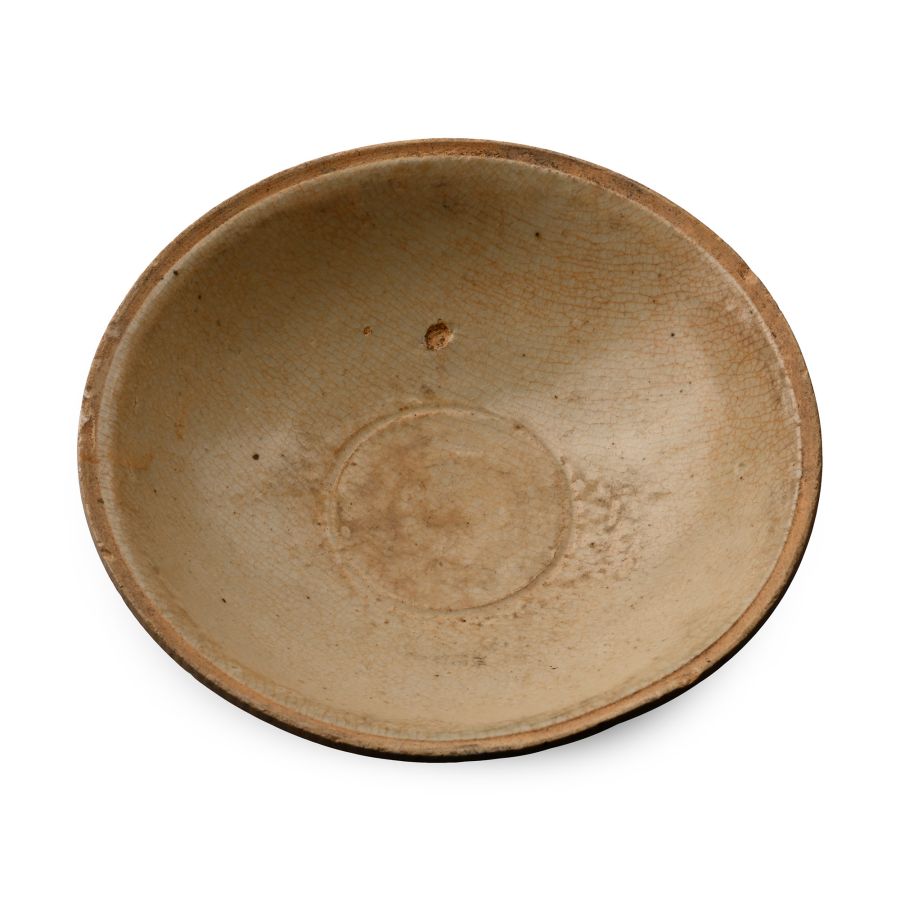
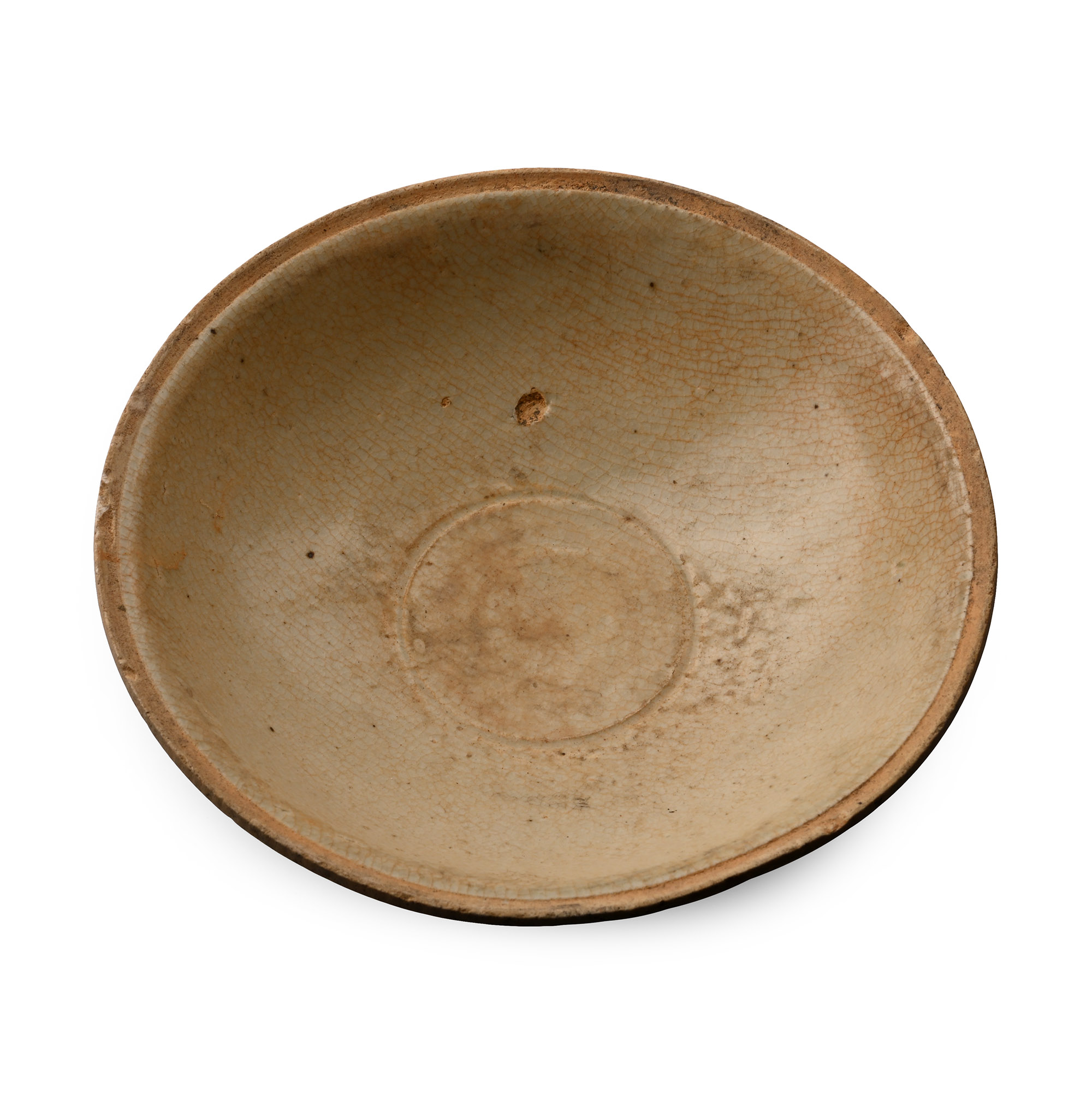
Chinese Song Green Glazed Dish
SONG DYNASTY, 960-1279 A.D. OR LATER
6 1/8 in. (203 grams, 15.5 cm wide).
Patella-shaped with rolled rim and shallow foot; remains of green glaze, gouge to inner face. [No Reserve]
ProvenanceEx West Country collection, 1990s.
This lot is accompanied by an illustrated lot declaration signed by the Head of the Antiquities Department, Dr Raffaele D'Amato.
TimeLine Auctions follows a vetting process to ensure the authenticity and legality of all items, reinforcing our commitment to integrity and responsible trading. Each antiquity, antique, and coin lot undergoes thorough examination by a vetting committee of at least ten external specialists, professional trade association members, scientists, and archaeologists: Our Vetting Process
AUCTIONS:
TimeLine is a leading auction house specialising in antiquities, ancient art, collectables, natural history, coins, medals, and books. Our auctions offer museums, collectors, historians, and enthusiasts the opportunity to acquire unique and historically significant pieces.
-
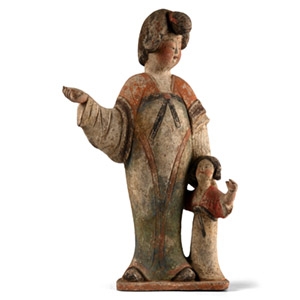
Chinese Tang Terracotta Court Lady with Child
Tang Dynasty, 618-907 A.D.Sold for (Inc. bp): £3,640
Hollow-formed female figure wearing long robes tied at the chest, elaborate high coiffure; right hand emerging from the long sleeve of her chang'ao, the other extending to a small female child standing at her left knee. 3.8 kg, 43 cm
Private collection, Hong Kong, acquired in the 1990s-2000s. Private collection, London, acquired in the 2000s. Accompanied by an original thermoluminescence analysis report no.C125k84 by Oxford Authentication. This lot has been checked against the Interpol Database of stolen works of art and is accompanied by a search certificate number no.12882-240557. This lot has been cleared against the Art Loss Register database, and is accompanied by an illustrated lot declaration signed by the Head of the Antiquities Department, Dr Raffaele D'Amato. -
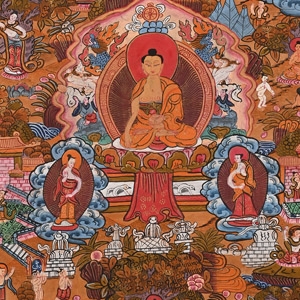
Vintage Tibetan Buddhist Hand-Painted Illuminated Thangka
Mid 20th century A.D.Sold for (Inc. bp): £33
Dense painted design with central Bodhisattva Samantabhadra figure surrounded by miniatures of Buddhist deities in a landscape. 21 grams, 36.8 x 30.5 cm
From the private collection of a Canadian gentleman living in Essex, UK, formed since the 1920s-circa 1990. Property of an Essex lady until the late 1990s; thence by descent. From the private collection of an Essex gentleman since the late 1990s. This lot is accompanied by an illustrated lot declaration signed by the Head of the Antiquities Department, Dr Raffaele D'Amato. -
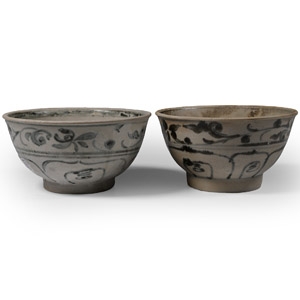
Hoi An Cargo Shipwreck Glazed Blue and White Bowl Pair
15th century A.D.Sold for (Inc. bp): £104
Each with painted floral motifs to both faces, large petals radiating from the foot. 378 grams total, 10.9-11.4 cm
Ex Butterfield and Butterfield auction with official Hoi An Hoard labels. Accompanied by an illustrated information sheet about the Hoi An shipwreck. This lot is accompanied by an illustrated lot declaration signed by the Head of the Antiquities Department, Dr Raffaele D'Amato.
In the mid 15th century a freighting junk loaded with fine Vietnamese pottery sank in an area of the South China Sea called the 'Dragon’s Embrace.' This vessel is part of the shipwreck cargo recovered off the coast of Vietnam at Hoi An. The ceramics themselves were probably made in the area of Chu Dau.
