
Loading, please wait...
LOT 2383
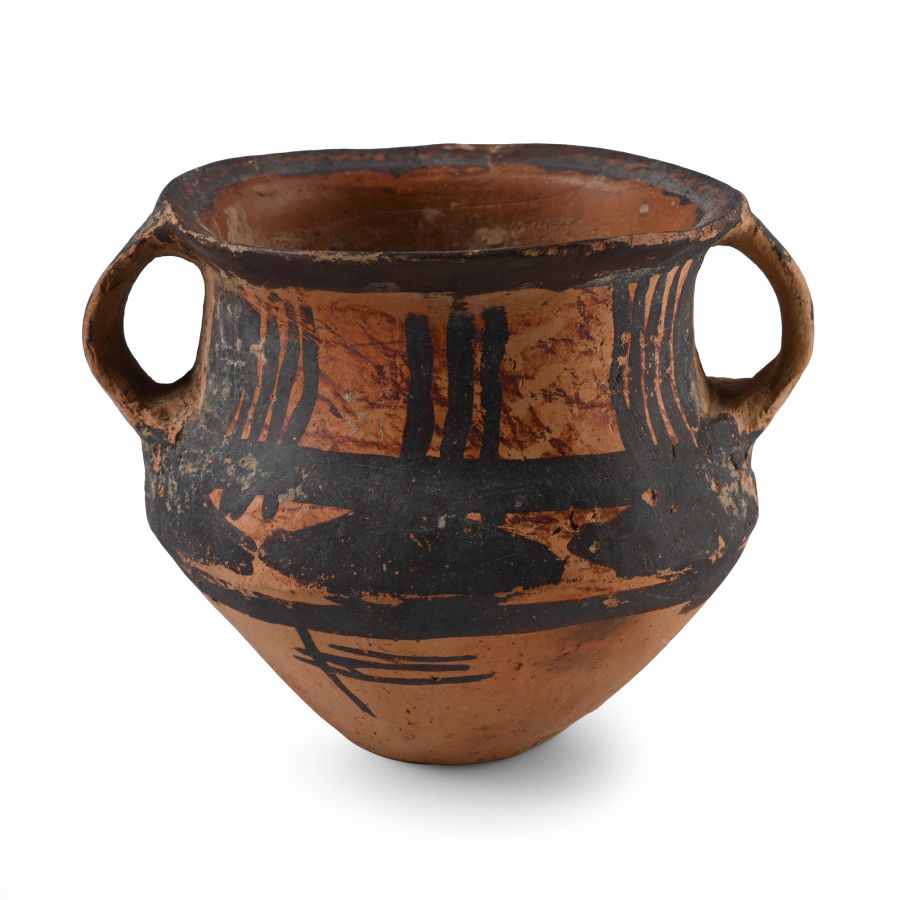
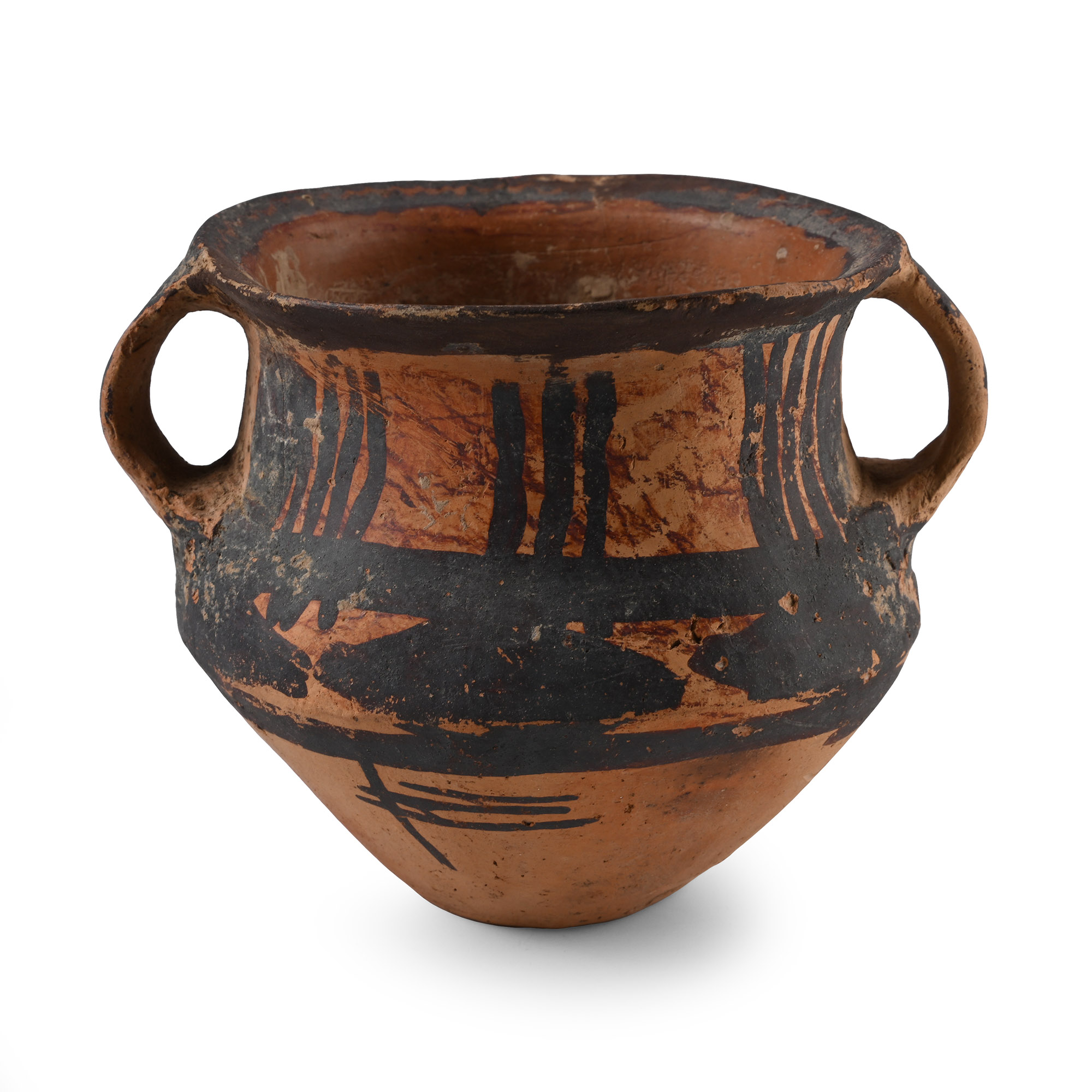
Chinese Neolithic Style Painted Terracotta Jar
20TH CENTURY A.D.
4 3/8 in. (180 grams, 11 cm wide).
Biconical jar with narrow foot and a wide neck with an everted rim, two strap handles on the sides, the body with painted linear decoration and a band of lozenges on the equator. [No Reserve]
ProvenanceAcquired on the UK art market since the 1990s.
From the property of a late Lincolnshire, UK, gentleman; thence by descent.
TimeLine Auctions follows a vetting process to ensure the authenticity and legality of all items, reinforcing our commitment to integrity and responsible trading. Each antiquity, antique, and coin lot undergoes thorough examination by a vetting committee of at least ten external specialists, professional trade association members, scientists, and archaeologists: Our Vetting Process
AUCTIONS:
TimeLine is a leading auction house specialising in antiquities, ancient art, collectables, natural history, coins, medals, and books. Our auctions offer museums, collectors, historians, and enthusiasts the opportunity to acquire unique and historically significant pieces.
LOT 2383
Chinese Neolithic Style Painted Terracotta Jar
Estimate £60 - 80€70 - 93 (for guidance only)$81 - 108 (for guidance only)
Opening Bid
£5 (EUR 6; USD 7) +BP*
-
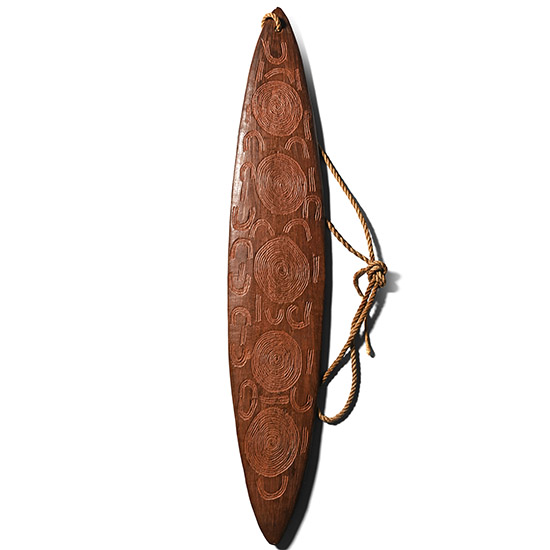
Aboriginal Churinga
19th century A.D.Estimate: £100 - 140 (+bp*)
Opening Bid: £50
Leaf-shaped in plan with incised panels of concentric rings and linear motifs between; cord to one end. 120 grams, 35.6 cm
Acquired on the UK art market. Property of a Suffolk, UK, gentleman. -
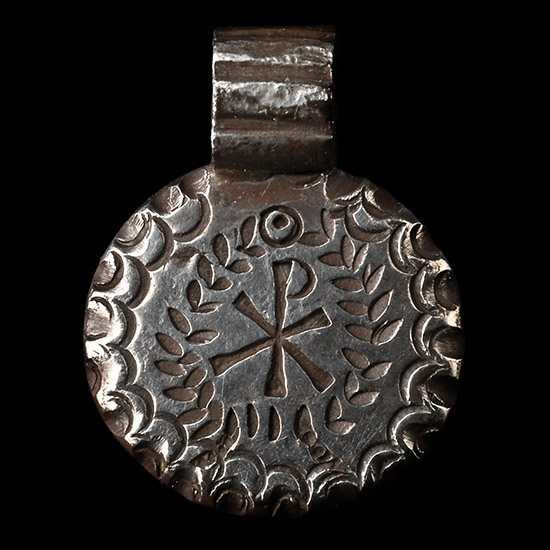
Post Medieval Silver Pendant with Chi Rho in Wreath
16th-17th century A.D.Estimate: £100 - 140 (+bp*)
Opening Bid: £5
Comprising a discoid body with piecrust edges, central motif a Chi Rho within a wreath; large fluted suspension loop. 6.37 grams, 25 mm
Ex German art market, 2000s. Acquired from an EU collector living in London. From the collection of a Surrey, UK, gentleman. From the private collection of a Kent, UK, gentleman. -
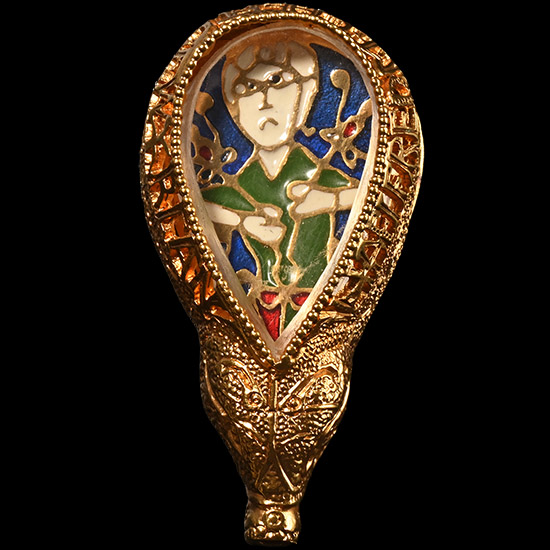
Anglo-Saxon 'King Alfred Jewel' Replica
21st century A.D.Estimate: £200 - 300 (+bp*)
Opening Bid: £100
Comprising: piriform gilt-framed cell with inset composition cover revealing enamelled facing figure with sceptre in each hand; pelleted rim of the cell in openwork with reserved early West Saxon legend 'AELFED MEC HEHT GEWYRCAN' ([King] Alfred ordered me [to be] made); to the apex a stylized beast-head with hollow muzzle to accept an insert; reverse with dense foliage design on a hatched field; mounted on a custom-made display stand. 30.59 grams, 53 mm
Private collection, UK. Accompanied by a copy of a previous information sheet.
A museum-quality copy of the famous æstel, a pointer used in reading. The hollow muzzle would have been provided with an ivory rod with tapering end (bone or wood might have been used, but ivory would be more suited to so prestigious an object). The original has a rock-crystal cover which reveals the cloisonné enamel image beneath. It is understood that these pointers were distributed from Winchester by the royal court alongside a handwritten manuscript of Gregory's Cura Pastoralis in English (West Saxon) translation to important ecclesiastical establishments with the instruction that the pointer should not be separated from the book, nor the book from the church. Alfred was responsible for undertaking the translation of the text, one of the 'books most needful for men to know' as his prologue states.
