
Loading, please wait...
LOT 2117
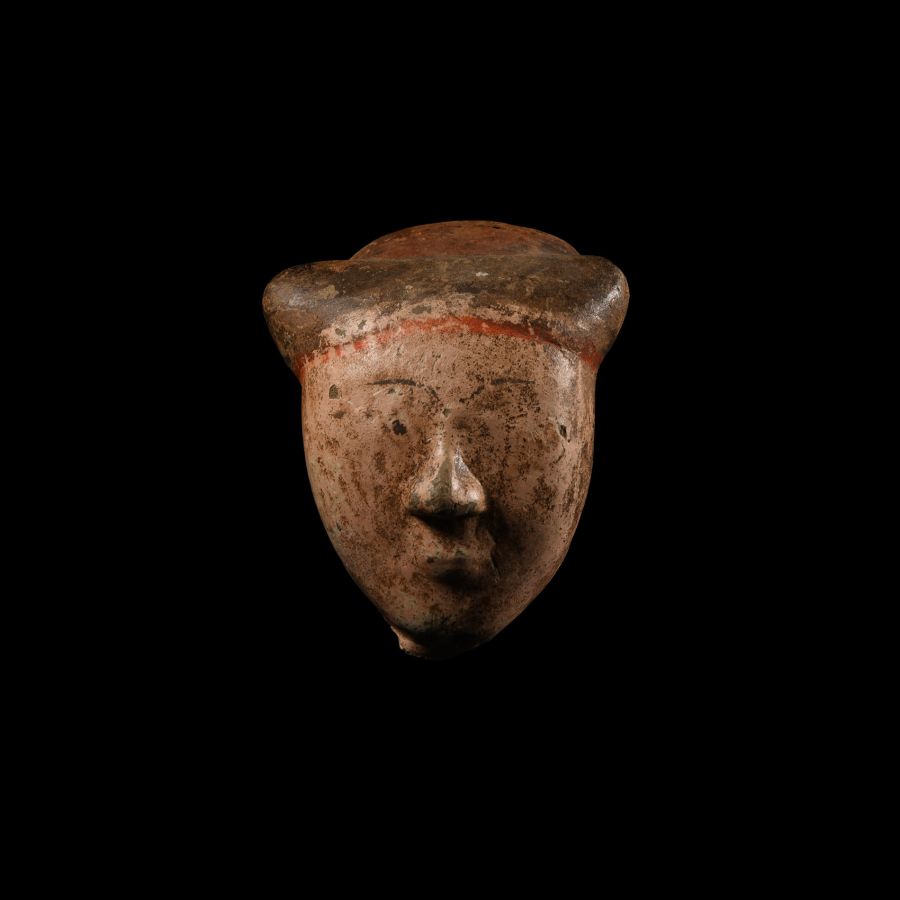
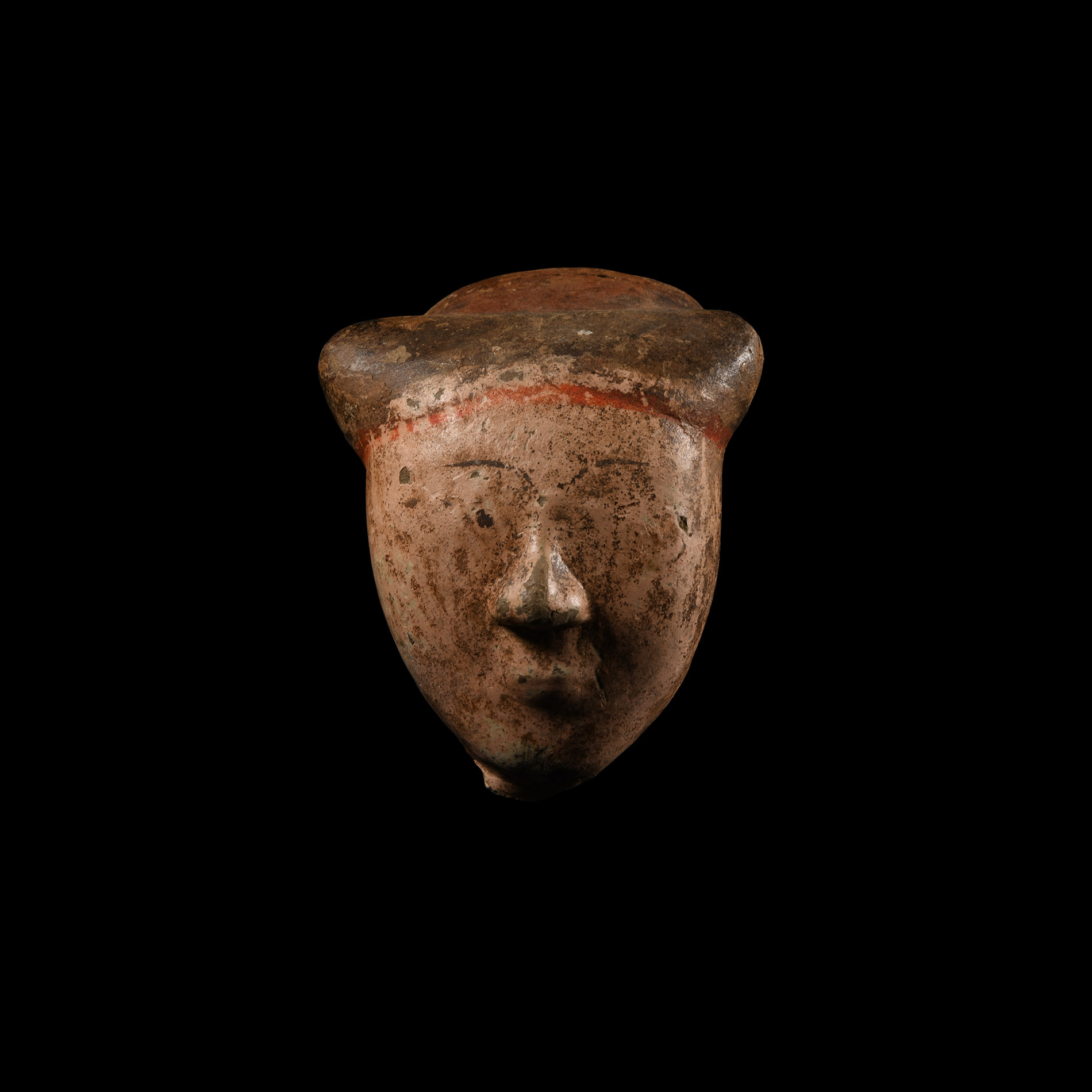
Chinese Han Terracotta Head of an Attendant
HAN DYNASTY, CIRCA 206-220 A.D. OR LATER
3 3/4 in. (270 grams total, 94 mm).
Formed in the round with stylised facial features and an elaborate hairstyle; polychrome painted detailing. [No Reserve]
ProvenanceEx private collection of K.G.; formed in the 1980s.
Property of a Ruislip, UK, gentleman, by inheritance.
Accompanied by a previous dealer's certificate of authenticity.
TimeLine Auctions follows a vetting process to ensure the authenticity and legality of all items, reinforcing our commitment to integrity and responsible trading. Each antiquity, antique, and coin lot undergoes thorough examination by a vetting committee of at least ten external specialists, professional trade association members, scientists, and archaeologists: Our Vetting Process
AUCTIONS:
TimeLine is a leading auction house specialising in antiquities, ancient art, collectables, natural history, coins, medals, and books. Our auctions offer museums, collectors, historians, and enthusiasts the opportunity to acquire unique and historically significant pieces.
-
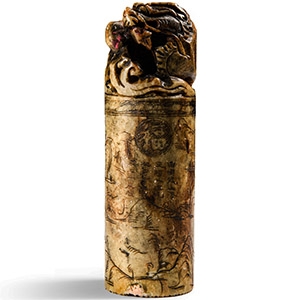
Chinese Columnar Stone Seal with Beast
19th-20th century A.D.Sold for (Inc. bp): £26
The cylindrical-bodied soapstone seal engraved with landscape scenes and characters within a roundel, dragon clutching flaming pearl finial carved in the round; seal to base formed as a flower head with central character. 697 grams, 15 cm high
Acquired from a UK auction house. Property of an Essex gentleman. -
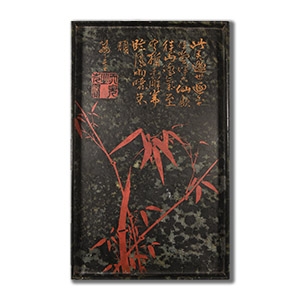
Chinese Stone Tray with Calligraphy
20th century A.D.Sold for (Inc. bp): £52
The rectangular tray carved from a mottled green soapstone and decorated with bamboo shoots and a panel of a calligraphic poem and a large signature seal. 2.13 kg, 38 x 23.5 cm
Previously with John Eskenazi, London (with label). Ex London gallery stock. -
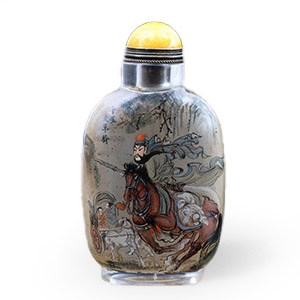
Chinese Glass Warrior on Horseback Snuff Bottle, Signed Ye Zhongsan
Dated 1900-1910 A.D.Sold for (Inc. bp): £455
The scene painted on the interior of one face, Chinese characters painted to the reverse, yellow cabochon to the lid. 75.6 grams, 92 mm high
Property of a lady, from her grandfather's collection, 1960s-1970s; thence by descent.
