
Loading, please wait...
LOT 1561
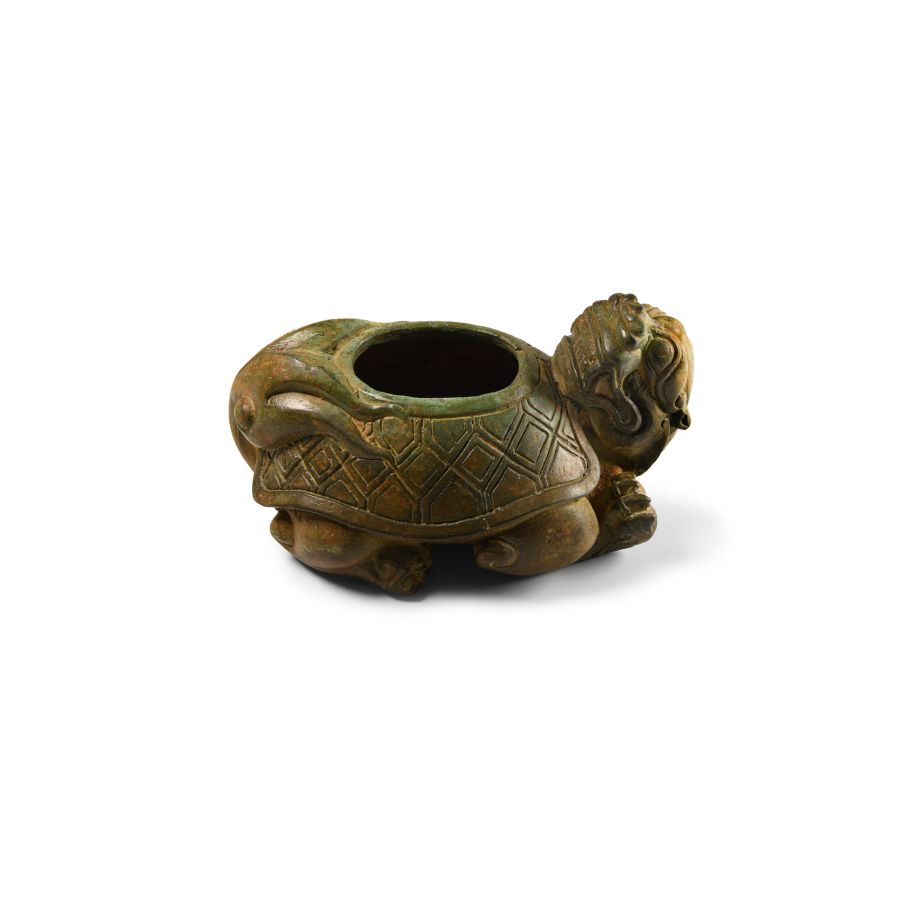
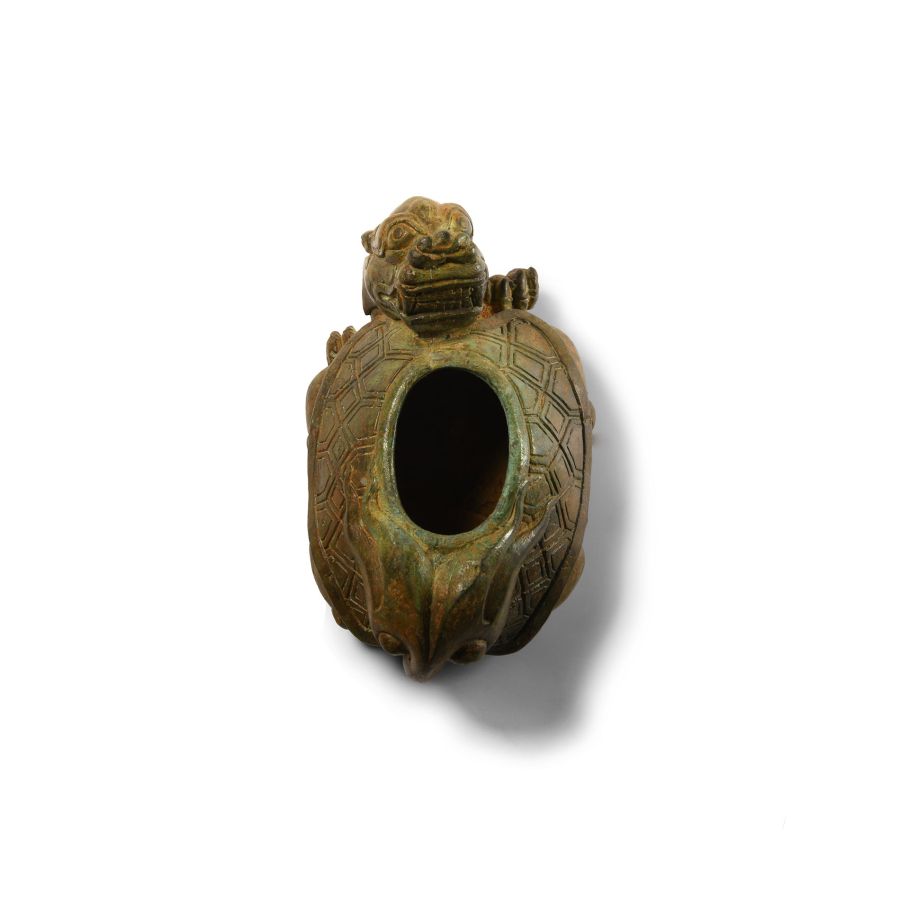
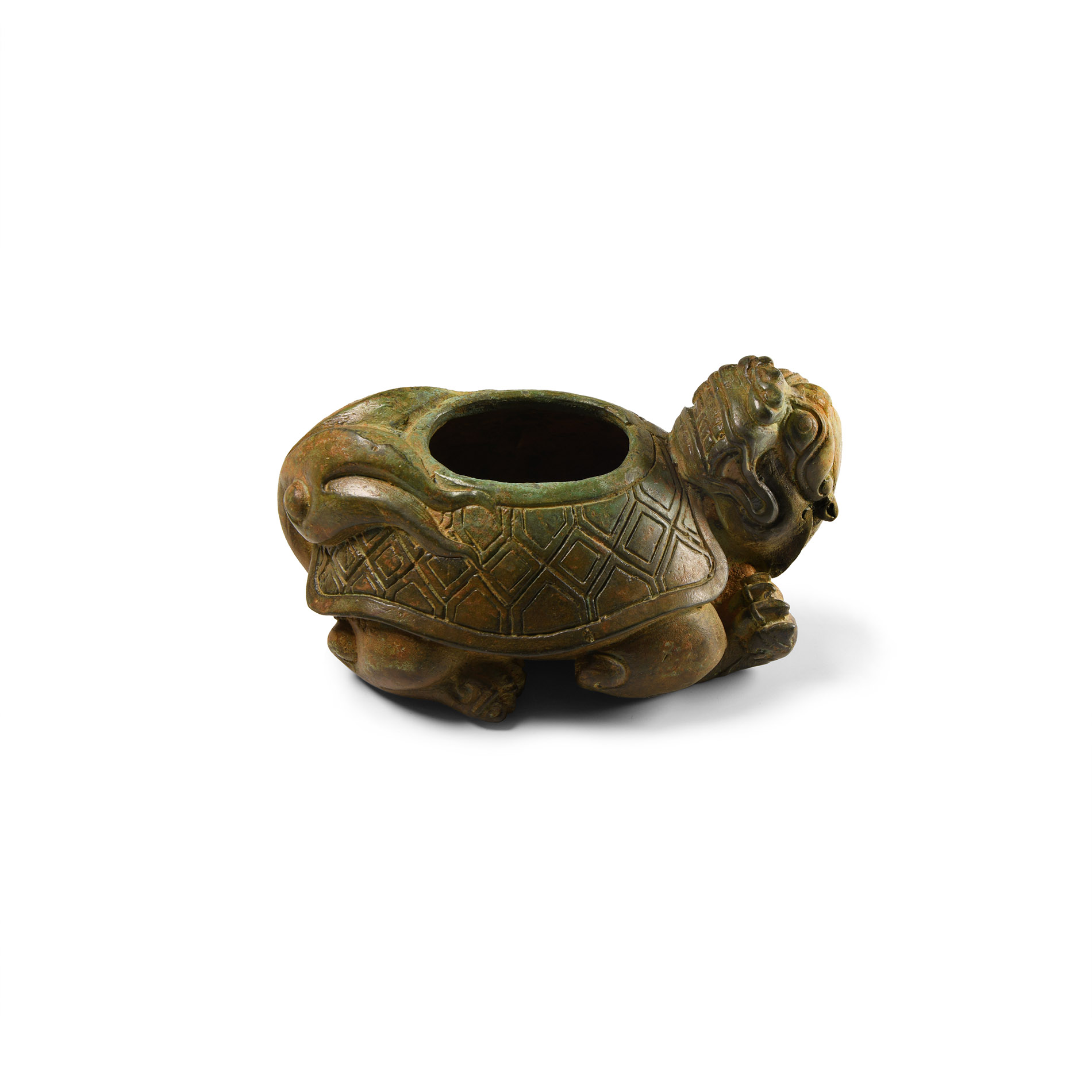
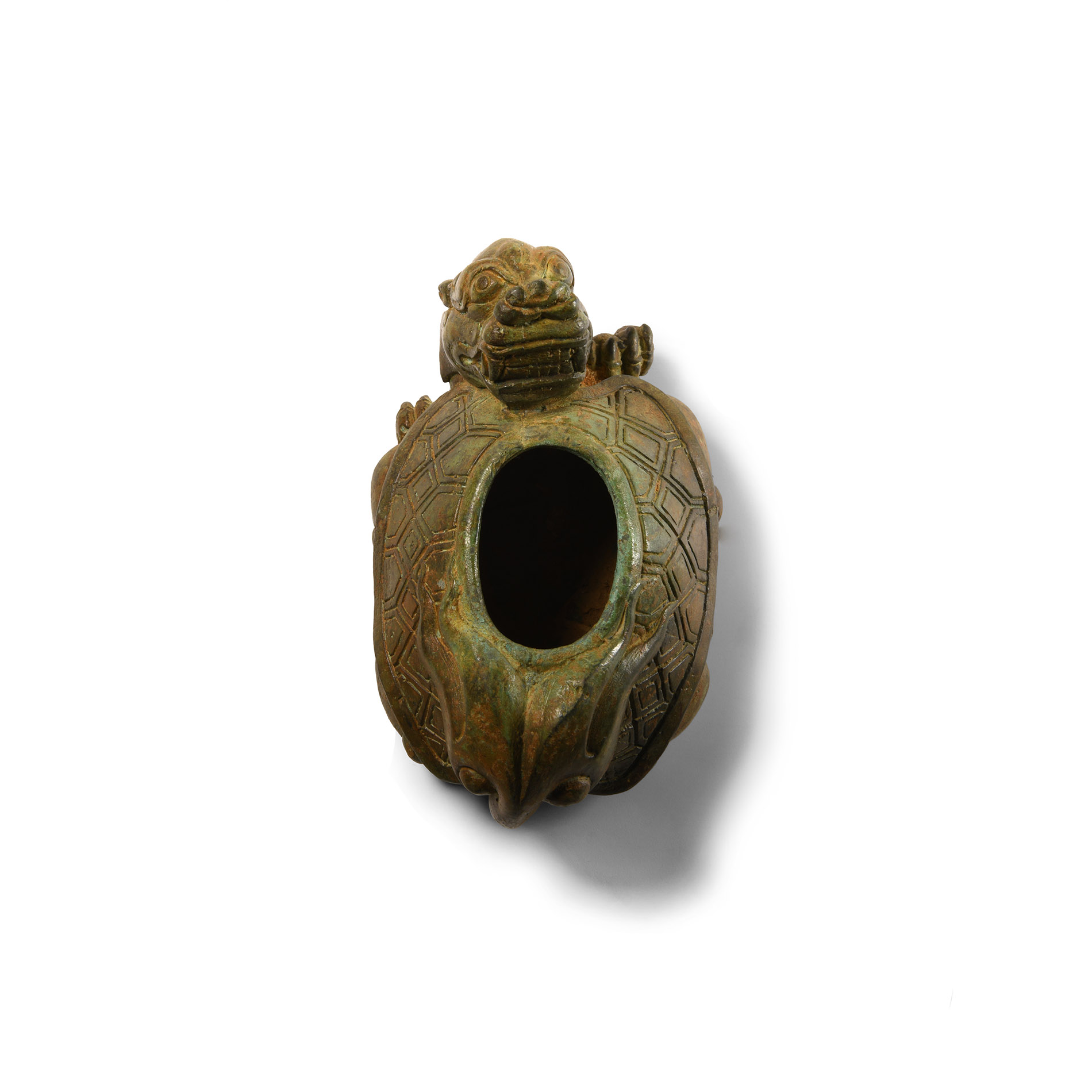
Chinese Han Style Bronze Dragon Turtle
20TH CENTURY A.D.
4 1/2 in. (505 grams, 11.3cm wide).
A copper-alloy vessel in the form of a regardant mythical beast, the dragon turtle (or Lóngguī), featuring a turtle's body and dragonesque head and paws, with a flame-like tail; oval vessel opening to apex.
ProvenanceAcquired 1970s-1990s.
Ex West Country collection.
TimeLine Auctions follows a vetting process to ensure the authenticity and legality of all items, reinforcing our commitment to integrity and responsible trading. Each antiquity, antique, and coin lot undergoes thorough examination by a vetting committee of at least ten external specialists, professional trade association members, scientists, and archaeologists: Our Vetting Process
AUCTIONS:
TimeLine is a leading auction house specialising in antiquities, ancient art, collectables, natural history, coins, medals, and books. Our auctions offer museums, collectors, historians, and enthusiasts the opportunity to acquire unique and historically significant pieces.
LOT 1561
Chinese Han Style Bronze Dragon Turtle
Estimate £400 - 600€460 - 700 (for guidance only)$540 - 810 (for guidance only)
-
Chinese Tang Whiteware Dish
Tang Dynasty, 618-907 A.D. or laterSold for (Inc. bp): £20
A glazed ceramic whiteware dish with carinated rim in olive green. 170 grams, 14.5 cm wide
Ex specialist Japanese collection of oriental ceramics, 1970s. -
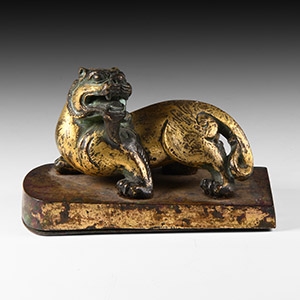
Chinese Han Style Gilt Bronze Dragon
20th century A.D.Estimate: £700 - 900 (+bp*)
Opening Bid: £260
A gilt bronze dragon modelled in the round in a dynamic pose, standing with its head turned backwards on a sub-rectangular base. 367 grams, 89 mm
Acquired in 2012. UK private collection. -
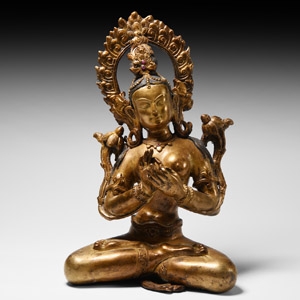
Sino-Tibetan Gilt Arya Tara Figure
19th-early 20th century A.D.Sold for (Inc. bp): £468
A hollow-formed gilt-bronze figure of Arya Tara sitting cross-legged flanked by uptala flowers, hands held in the mudra of instruction; black pigment to the hair and inset rub-coloured gemstones to the headdress. 1.29 kg, 22 cm high
Acquired 1980-2015. Ex Abelita family collection.
