
Loading, please wait...
LOT 1516
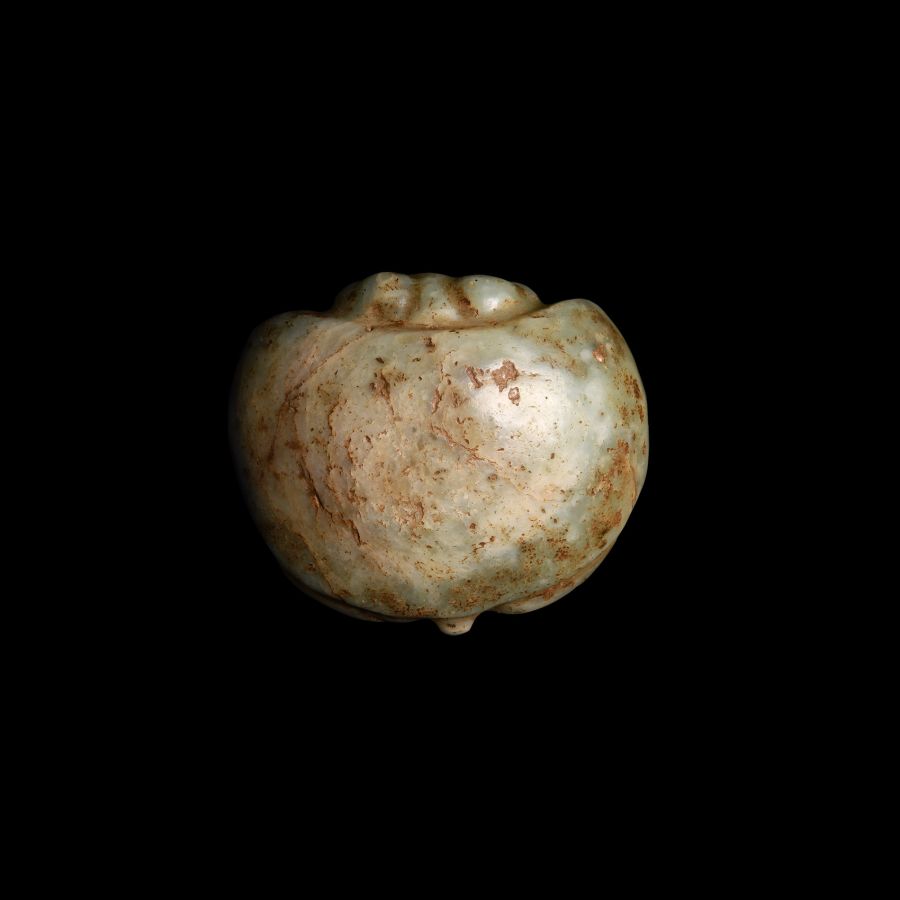
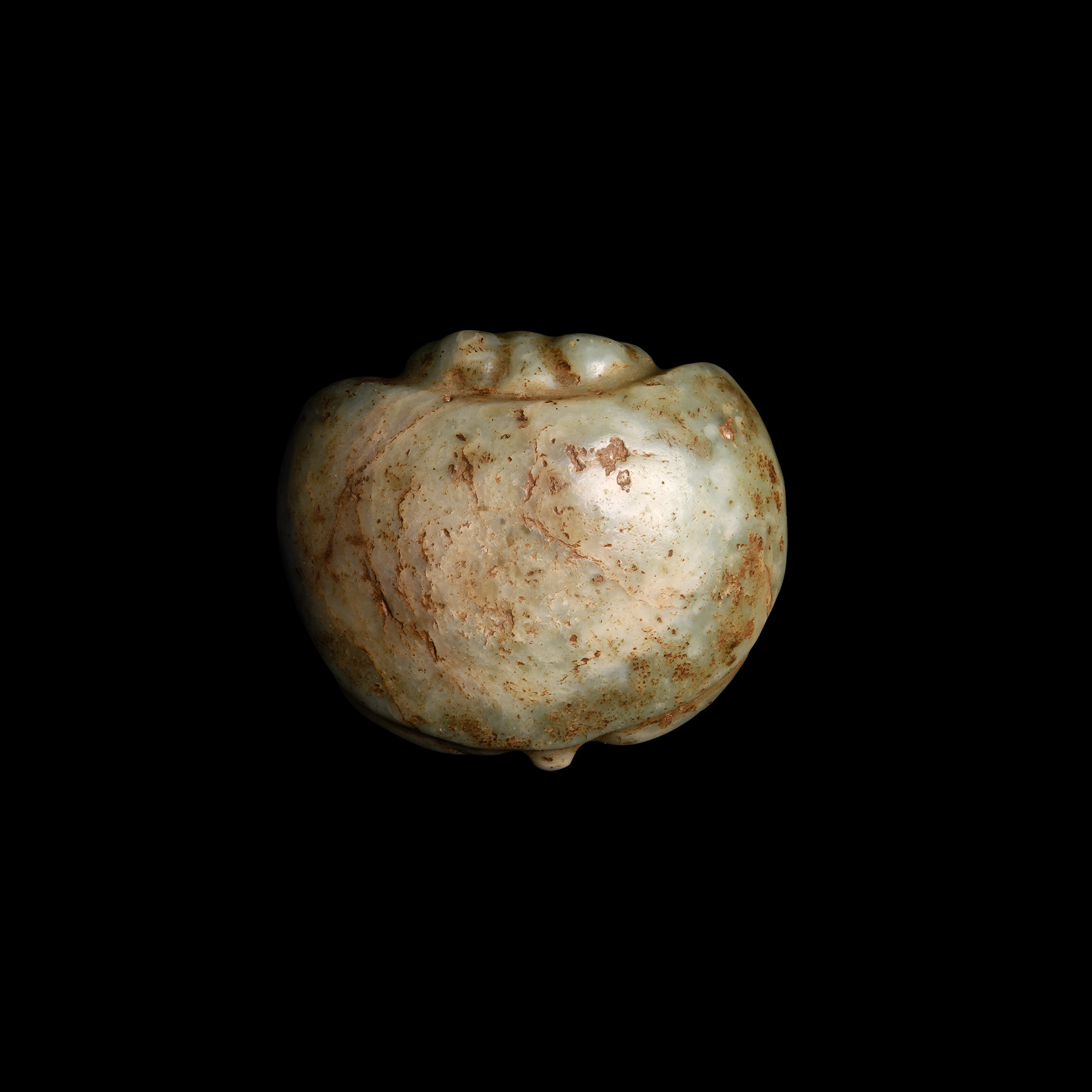
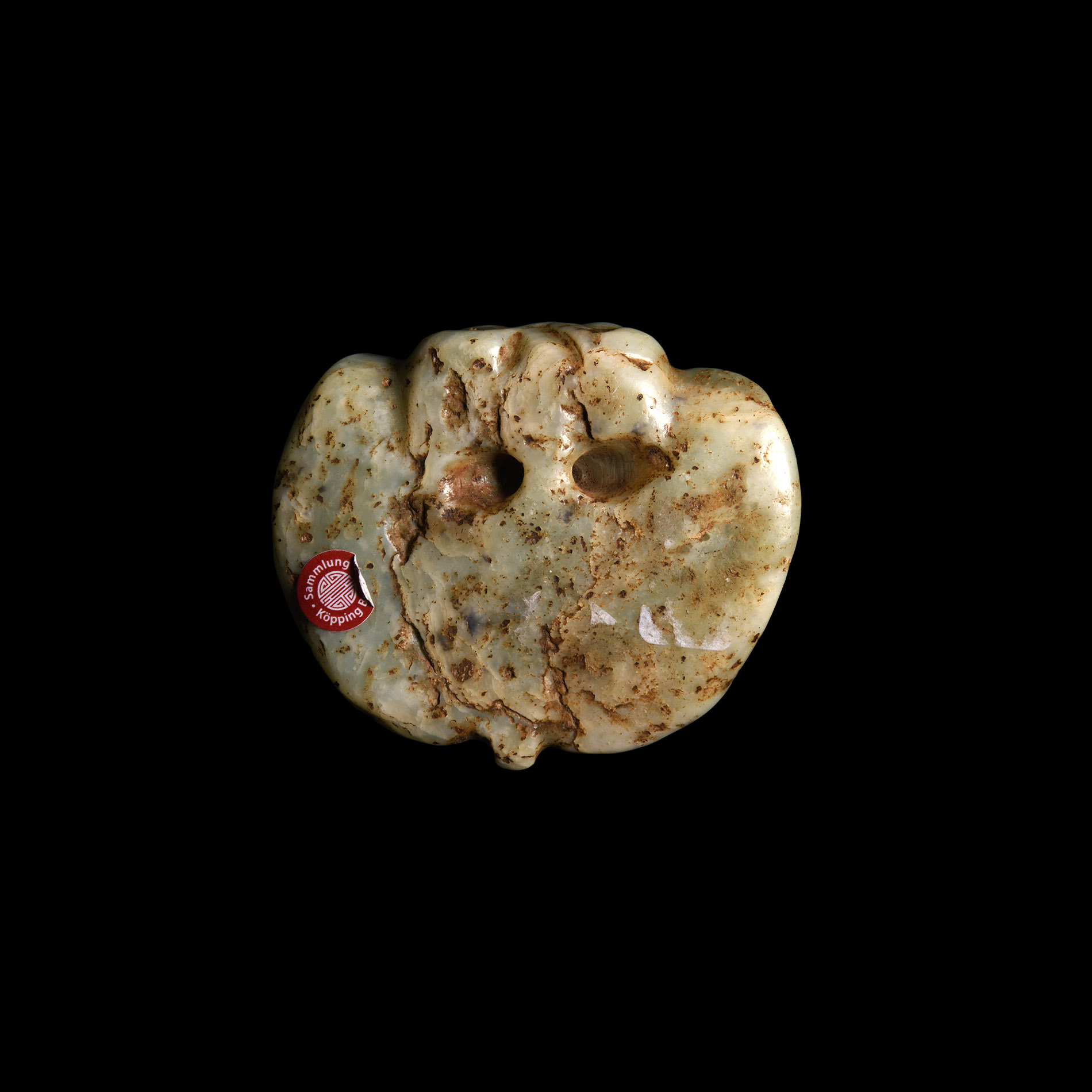
Chinese Han Jade Zoomorphic Carving
HAN DYNASTY, 206 B.C.-220 A.D. OR LATER
2 1/2 in. (110 grams, 65 mm wide).
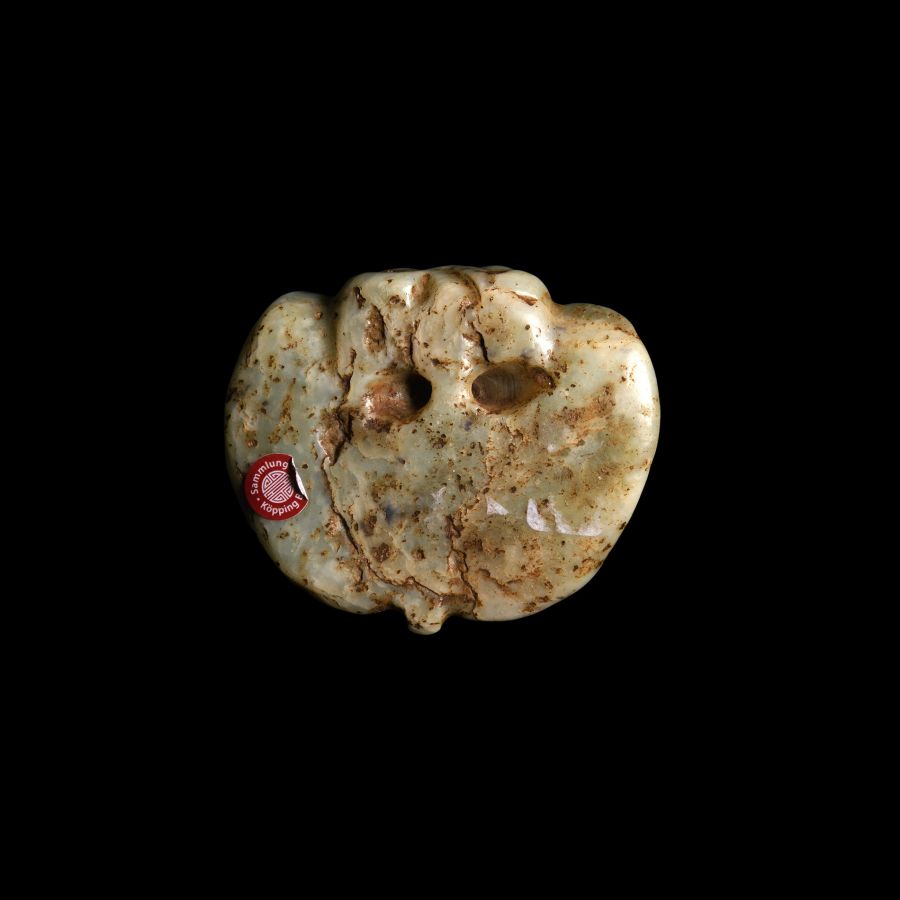
A carved zoomorphic jade amulet, possibly depicting a stylised turtle or crab, with piercing to reverse for suspension.
ProvenanceEx Asiatika-Sammlung Günther Köpping, Berlin, Germany, with small label.
Pieces from the collection were sold in a European auction in the 2000s.
TimeLine Auctions follows a vetting process to ensure the authenticity and legality of all items, reinforcing our commitment to integrity and responsible trading. Each antiquity, antique, and coin lot undergoes thorough examination by a vetting committee of at least ten external specialists, professional trade association members, scientists, and archaeologists: Our Vetting Process
AUCTIONS:
TimeLine is a leading auction house specialising in antiquities, ancient art, collectables, natural history, coins, medals, and books. Our auctions offer museums, collectors, historians, and enthusiasts the opportunity to acquire unique and historically significant pieces.
LOT 1516
Chinese Han Jade Zoomorphic Carving
Estimate £400 - 600€460 - 700 (for guidance only)$540 - 810 (for guidance only)
-
Chinese Han Style Garment Fastener
19th-20th century A.D.Estimate: £200 - 300 (+bp*)
Opening Bid: £100
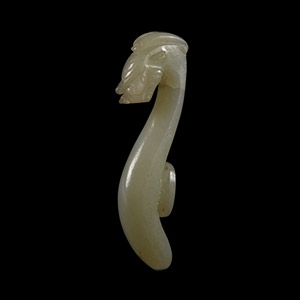
A jade dragonesque garment fastener with a roughly S-shaped profile, one terminal carved as a dragon's head with bulging eyes and snub nose; oval lug to reverse; repaired. 32.3 grams, 78 mm
Acquired 1990s. Ex French collection. -
Chinese Wei Brick with Buddha in Paranirvana
Wei Dynasty, 534-550 A.D.Sold for (Inc. bp): £416
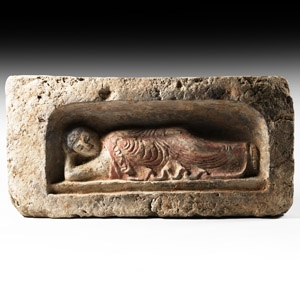
A rectangular ceramic brick bearing a high-relief image of Buddha in Paranirvana, set within a rectangular niché, head resting on raised arm and hand, detailing to the face, ushnisha, hands, feet and robes; remains of painted pigmentation. 5.2 kg, 35.5 x 17 cm
Acquired 1970-1990s. Ex Hong Kong collection. From a private West Country collection. -
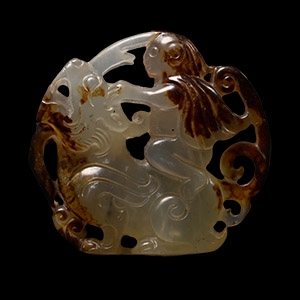
Chinese Agate Amulet with Lion
20th century A.D.Sold for (Inc. bp): £39
A carved agate openwork amuletic pendant depicting a crouching lion and small winged figure riding on its back. 39 grams, 50 mm
London, UK, art market, circa 2000. From the collection of G.M.R.H., London, UK.
