
Loading, please wait...
LOT 2100
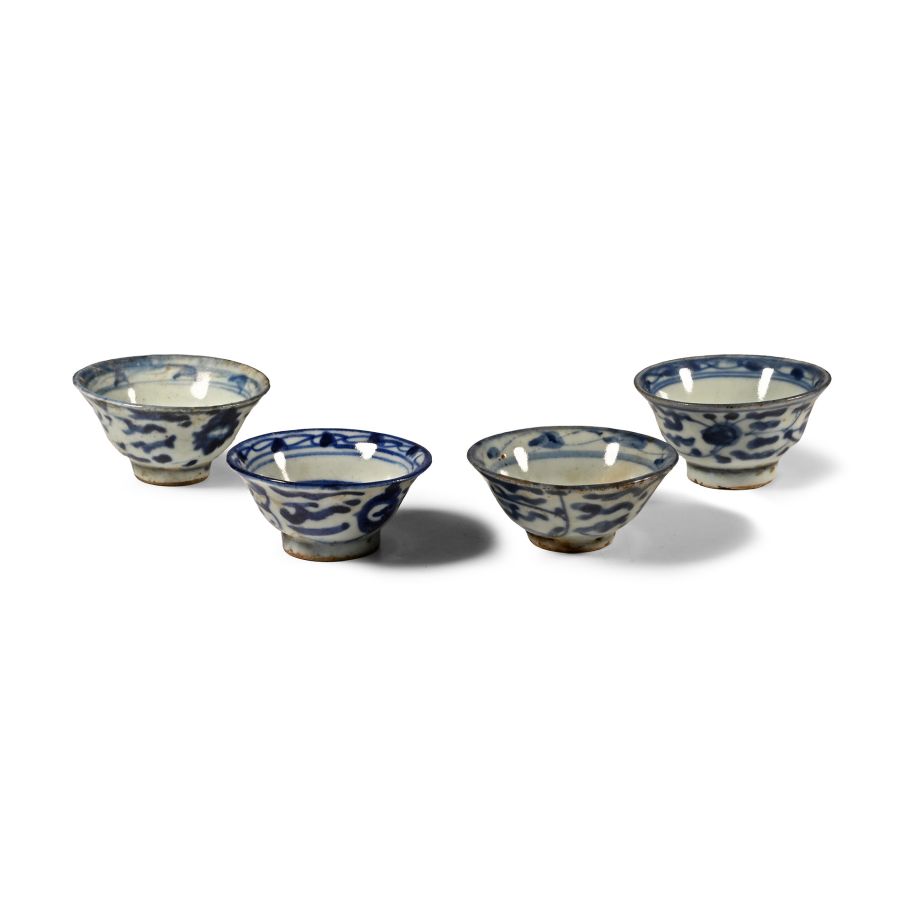
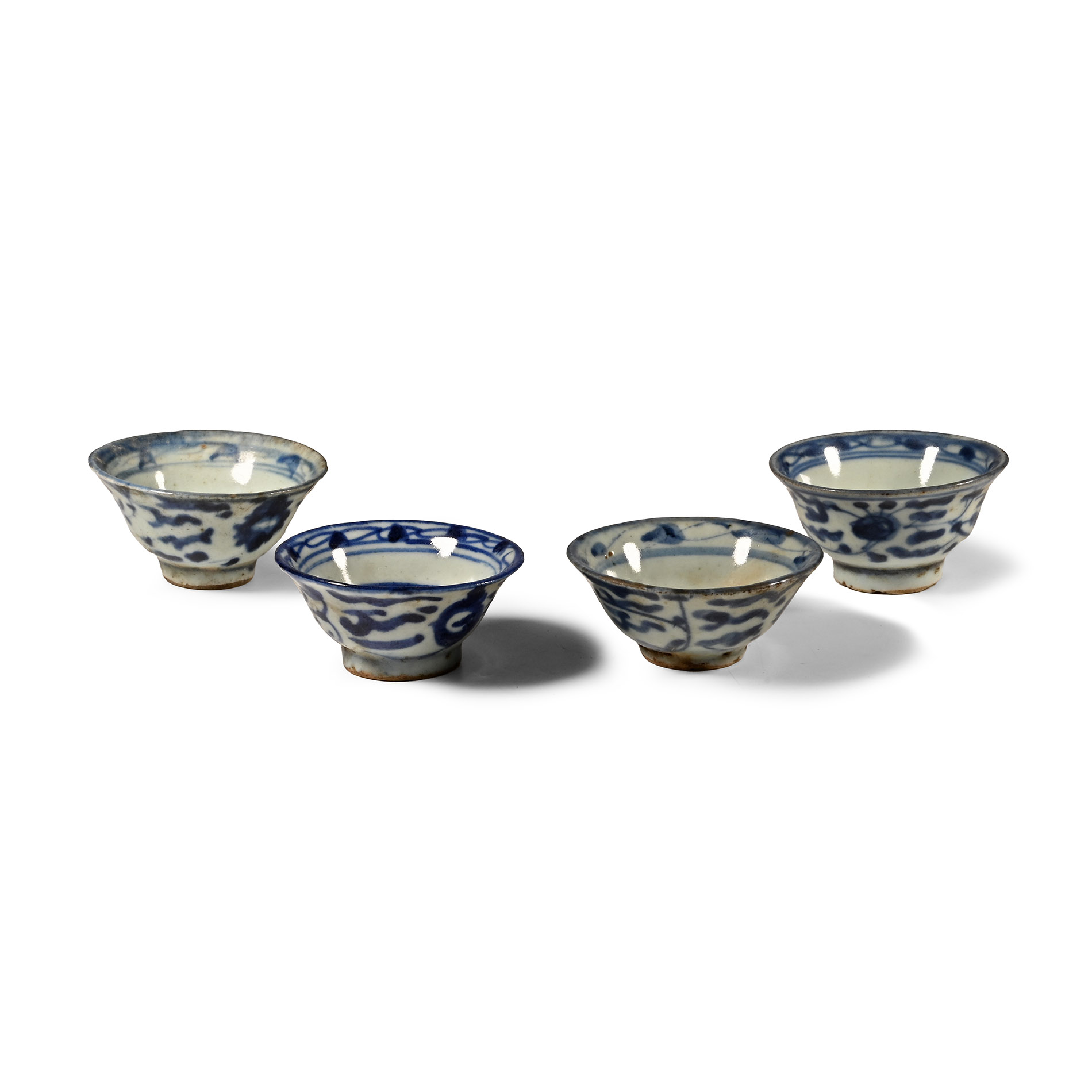
Chinese Glazed Dish Group
20TH CENTURY A.D.
2 1/2 - 2 5/8 in. (155 grams total, 64-68 mm wide).
Comprising four small bell-shaped bowls, each with floral motifs and a signature character to the underside. [4, No Reserve]
ProvenanceFrom the family collection of a Maida Vale lady, UK.
CONDITIONTimeLine Auctions follows a vetting process to ensure the authenticity and legality of all items, reinforcing our commitment to integrity and responsible trading. Each antiquity, antique, and coin lot undergoes thorough examination by a vetting committee of at least ten external specialists, professional trade association members, scientists, and archaeologists: Our Vetting Process
AUCTIONS:
TimeLine is a leading auction house specialising in antiquities, ancient art, collectables, natural history, coins, medals, and books. Our auctions offer museums, collectors, historians, and enthusiasts the opportunity to acquire unique and historically significant pieces.
-
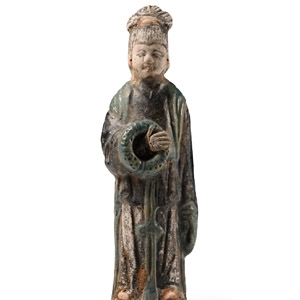
Chinese Ming Glazed Figure
Ming Dynasty, 1368-1644 A.D. or laterEstimate: £100 - 140 (+bp*)
Opening Bid: £50
Standing erect on a tiered square base, wearing a floor-length robe and with elaborately dressed hair, right hand at the waist supporting a wreath. 254 grams, 17 cm
Ex West Country, UK, collection, 1980-1990s. -
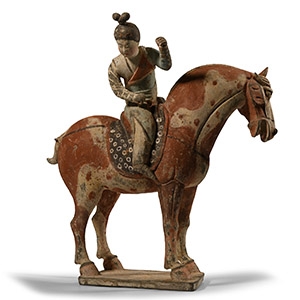
Chinese Tang Terracotta Practising Polo Player
Tang Dynasty, 618-907 A.D.Estimate: £1,800 - 2,400 (+bp*)
Opening Bid: £1,000
The horse in a static pose with its head turned to the left, the female rider bent at waist with her left arm held high in a swinging pose, the other arm held at waist high for holding the reins; painted annulets to the saddle blanket. 5.6 kg, 43 cm
From a West Country, UK, collection, 1990s. Accompanied by a thermoluminescence analysis report no.04C26042024 from Laboratory Kotalla. This lot has been checked against the Interpol Database of stolen works of art and is accompanied by a search certificate number no.12445-226799. -
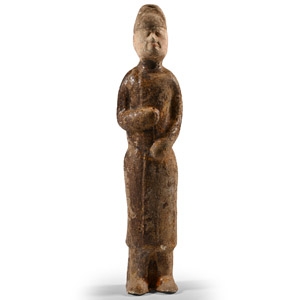
Chinese Sancai Tang Glazed Statuette
Tang Dynasty, 618-907 A.D. or laterEstimate: £100 - 140 (+bp*)
Opening Bid: £50
Hollow-formed standing figure in calf-length robes with hands laid flat on the hip and chest; glazed finish. 315 grams, 22.5 cm
From a West Country, UK, collection, 1990s.
