
Loading, please wait...
LOT 2111
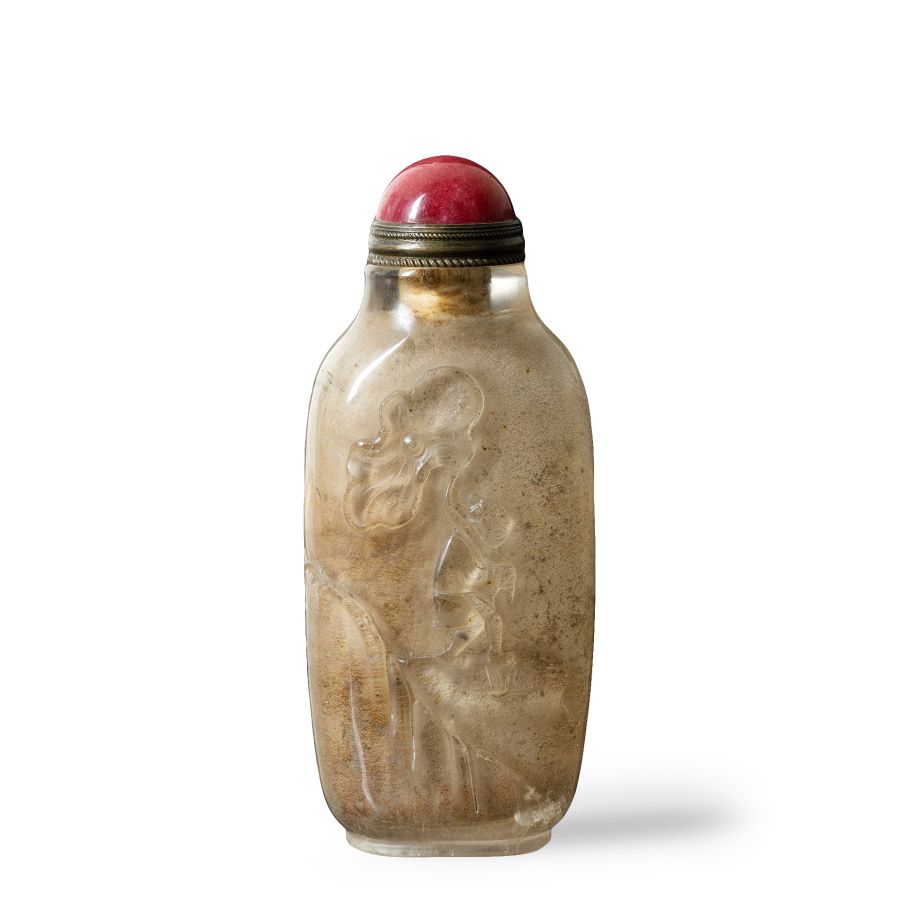
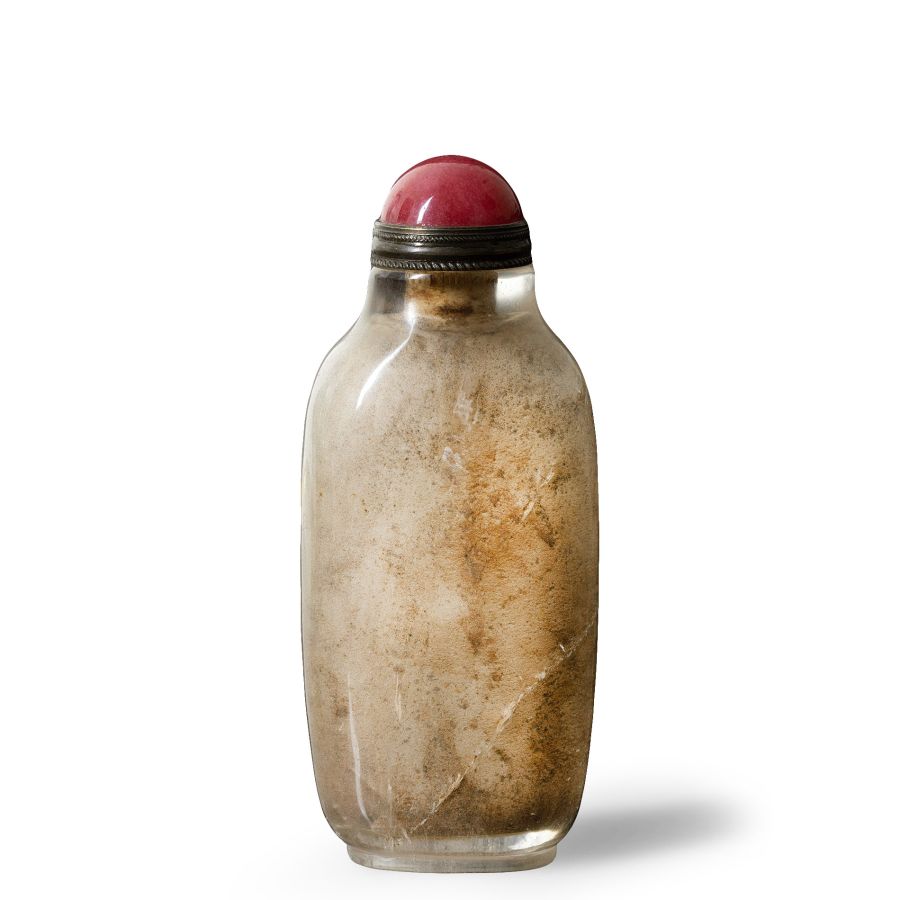
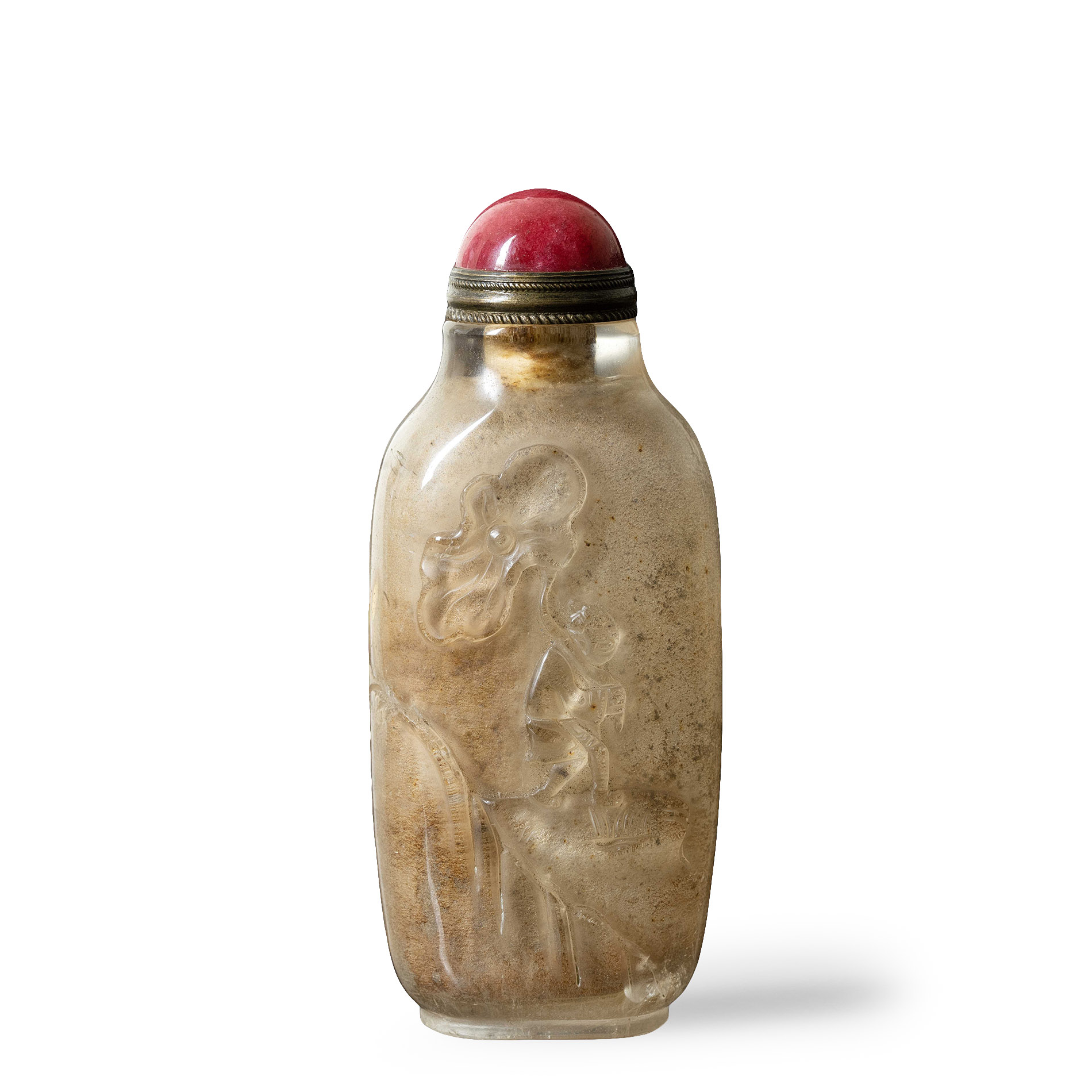
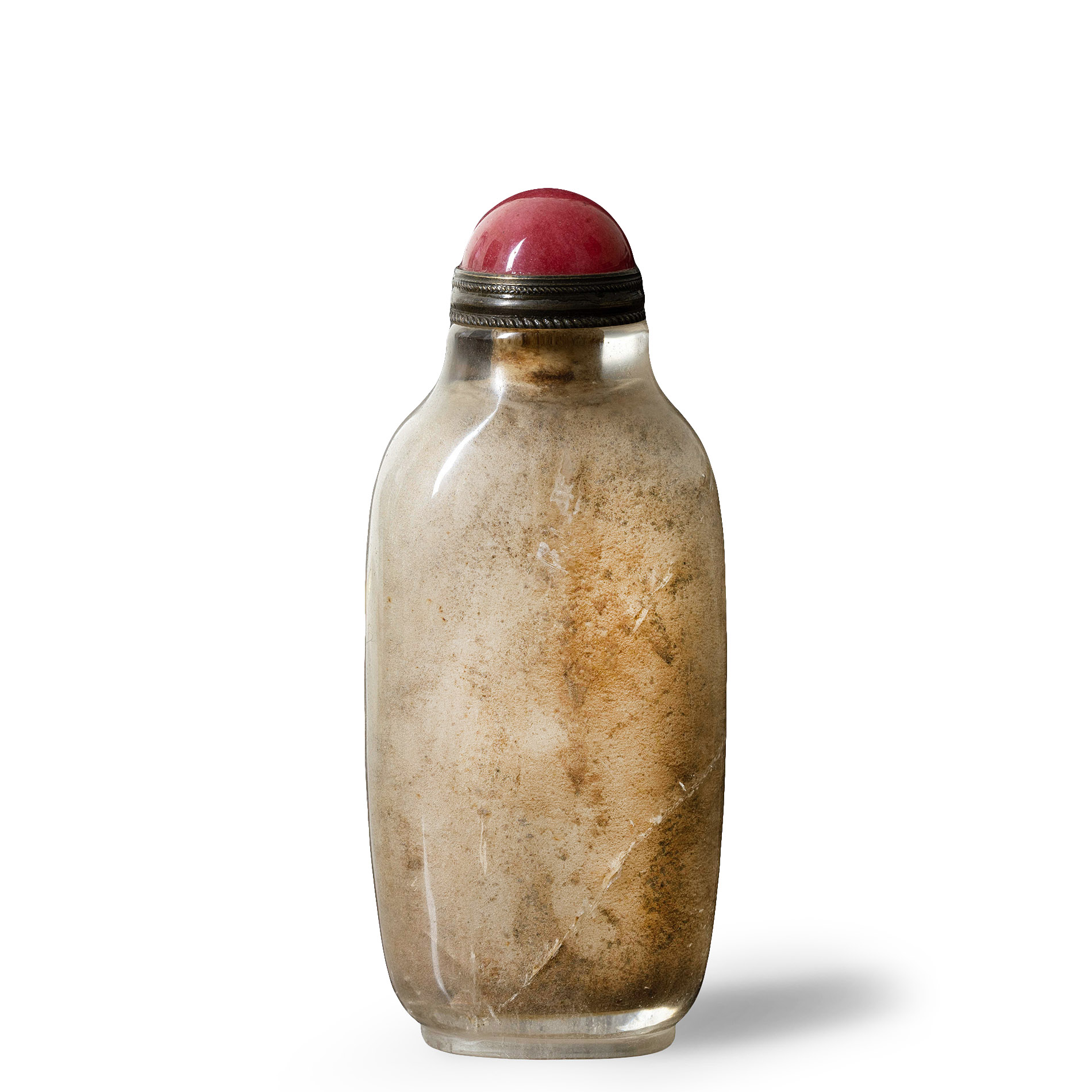
Chinese Crystal Carved Snuff Bottle
19TH CENTURY A.D.
3 3/8 in. (74 grams, 87 mm high).
Displaying a figural scene in relief, deep pick cabochon to lid. [No Reserve]
ProvenanceProperty of a lady, from her grandfather's collection, 1960s-1970s; thence by decent.
CONDITIONTimeLine Auctions follows a vetting process to ensure the authenticity and legality of all items, reinforcing our commitment to integrity and responsible trading. Each antiquity, antique, and coin lot undergoes thorough examination by a vetting committee of at least ten external specialists, professional trade association members, scientists, and archaeologists: Our Vetting Process
AUCTIONS:
TimeLine is a leading auction house specialising in antiquities, ancient art, collectables, natural history, coins, medals, and books. Our auctions offer museums, collectors, historians, and enthusiasts the opportunity to acquire unique and historically significant pieces.
-
.jpg)
South East Asian Bronze Kohl Pot
19th century A.D.Sold for (Inc. bp): £13
The body of squat, lentoid form, four legs alternating with four bulbous cages, cylindrical neck with everted rim, cruciform design incised to lip. 225 grams total, 95 mm high
Acquired 1980s-1990s. From the H.N. collection, Milton Keynes, Bedfordshire, UK. -
Chinese Columnar Stone Seal with Beast
19th-20th century A.D.Sold for (Inc. bp): £26
The cylindrical-bodied soapstone seal engraved with landscape scenes and characters within a roundel, dragon clutching flaming pearl finial carved in the round; seal to base formed as a flower head with central character. 697 grams, 15 cm high
Acquired from a UK auction house. Property of an Essex gentleman. -
Chinese Blue Glazed Stem Cup
20th century A.D.Sold for (Inc. bp): £364
Formed with a near hemispherical bowl atop a tapering stem, wisps of cloud of smoke to the bowl base, a sinuous dragon wrapped around the bowl exterior. 274 grams, 12 cm wide
London collection since the 1980s. Property of a Canadian family.
