
Loading, please wait...
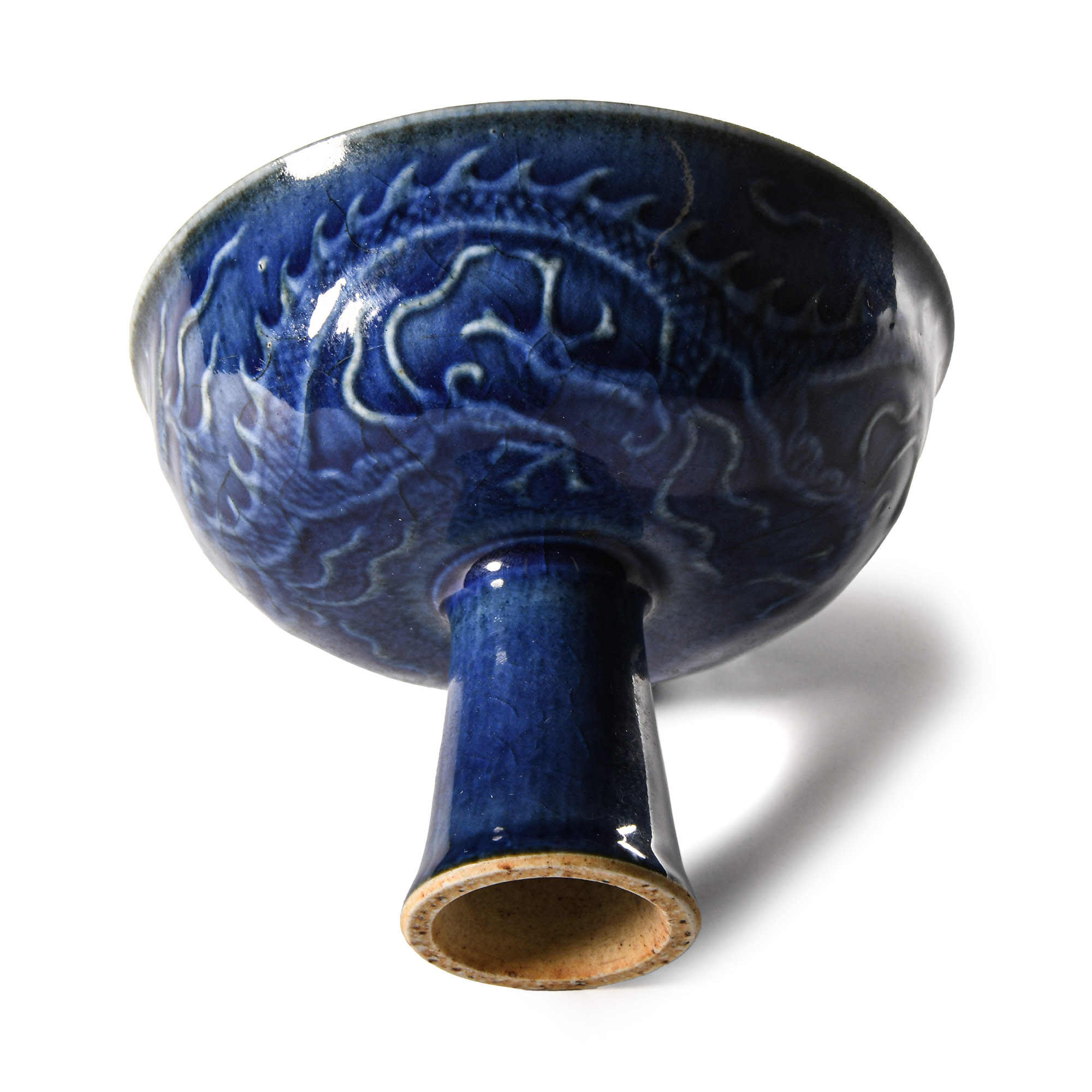
LOT 2146
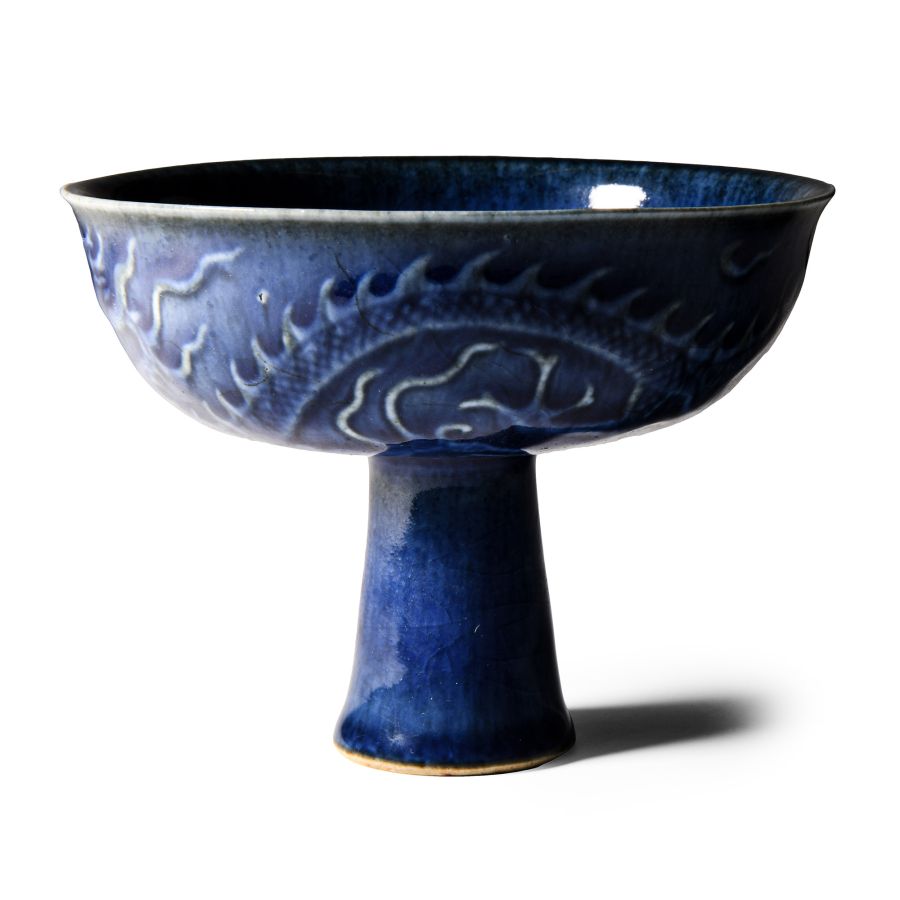
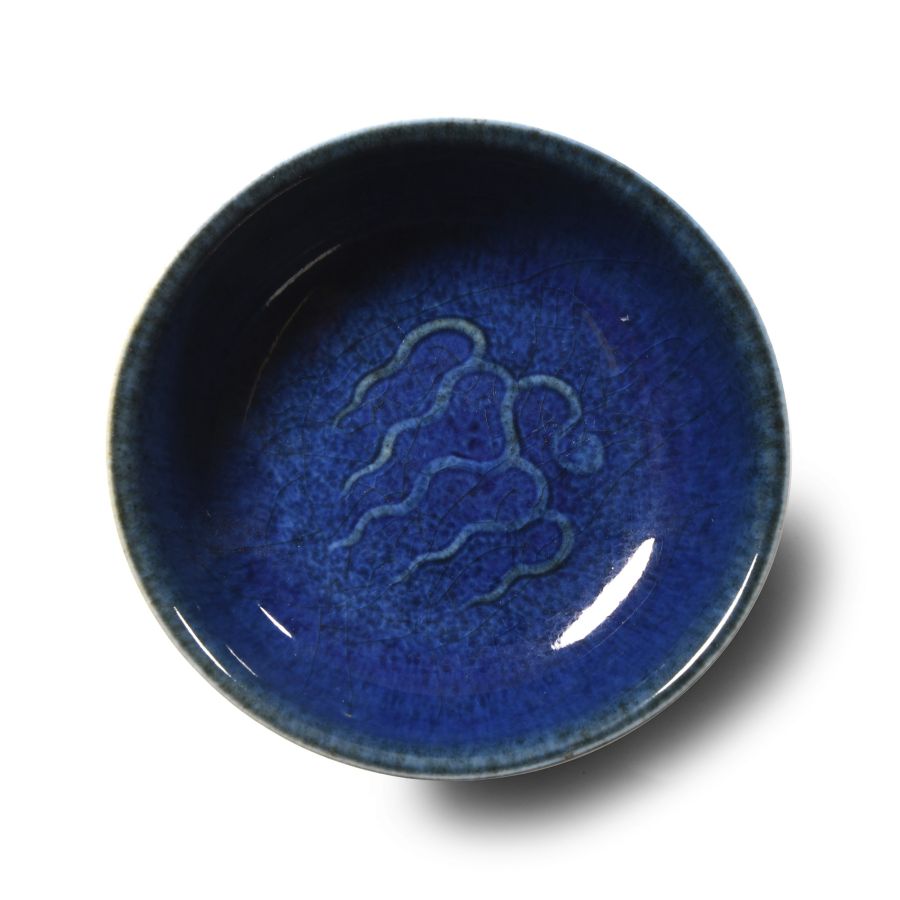
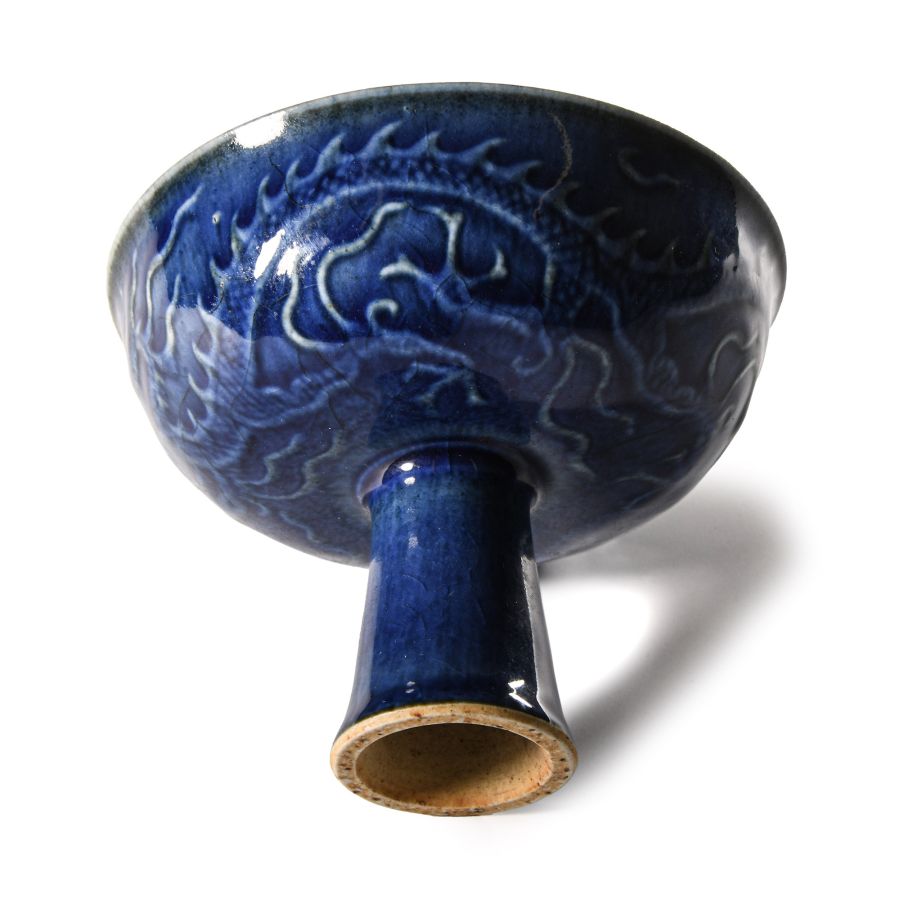
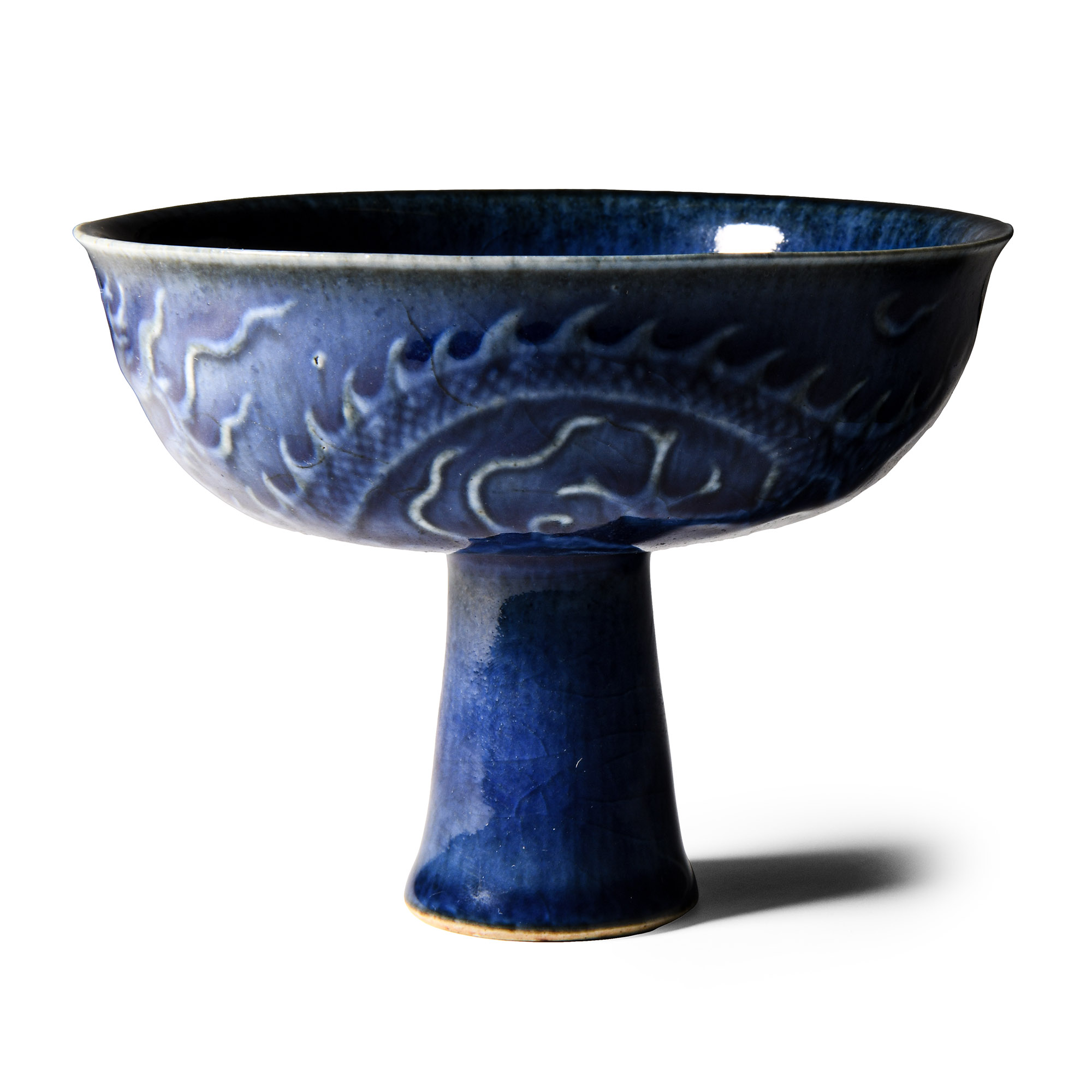
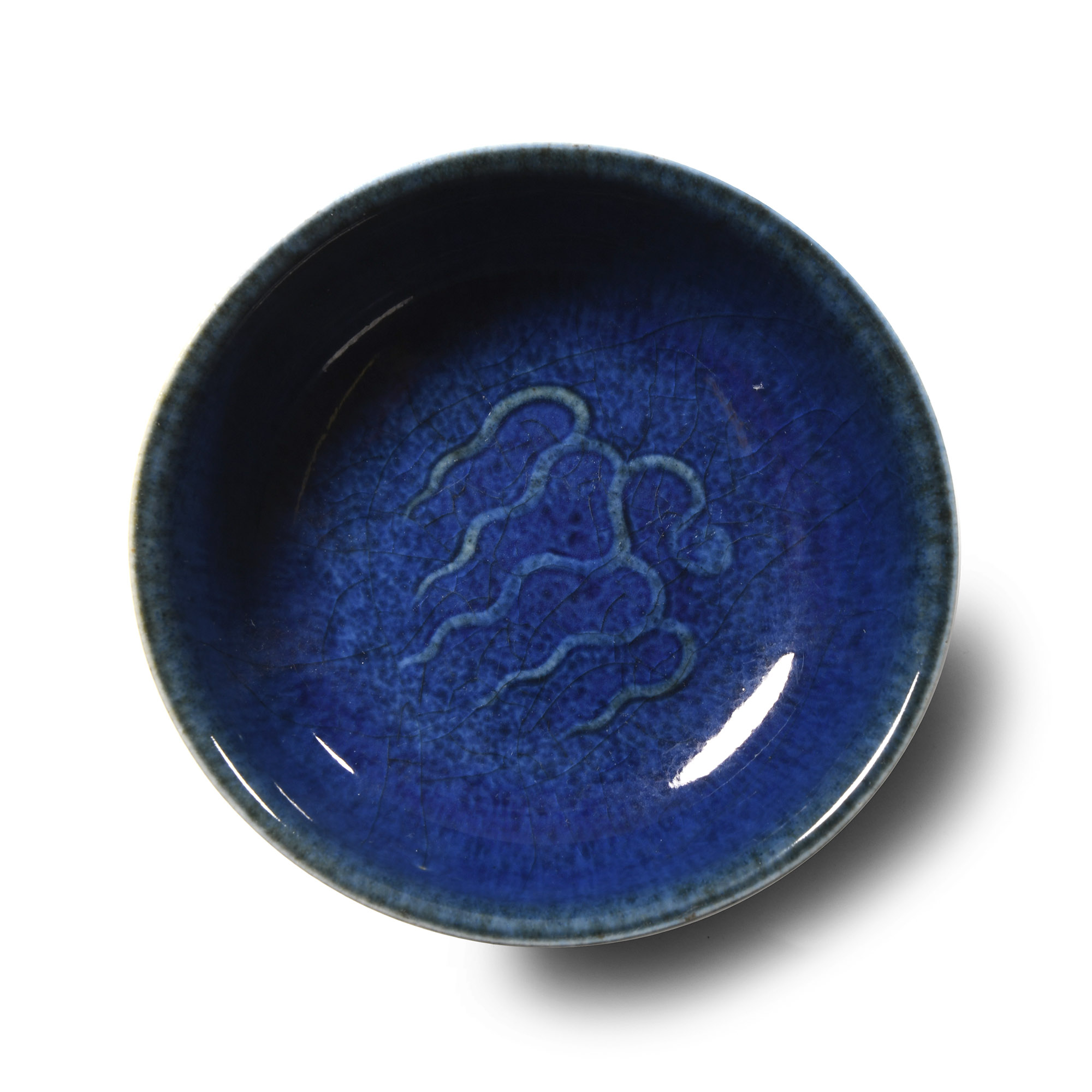
Chinese Blue Glazed Stem Cup
20TH CENTURY A.D.
43/4 in. (274 grams, 12 cm wide).
Formed with a near hemispherical bowl atop a tapering stem, wisps of cloud of smoke to the bowl base, a sinuous dragon wrapped around the bowl exterior.
ProvenanceLondon collection since the 1980s.
Property of a Canadian family.
TimeLine Auctions follows a vetting process to ensure the authenticity and legality of all items, reinforcing our commitment to integrity and responsible trading. Each antiquity, antique, and coin lot undergoes thorough examination by a vetting committee of at least ten external specialists, professional trade association members, scientists, and archaeologists: Our Vetting Process
AUCTIONS:
TimeLine is a leading auction house specialising in antiquities, ancient art, collectables, natural history, coins, medals, and books. Our auctions offer museums, collectors, historians, and enthusiasts the opportunity to acquire unique and historically significant pieces.
-
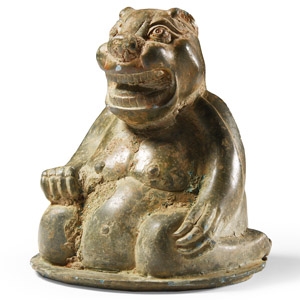
Chinese Han Style Bronze Animal
20th century A.D.Estimate: £200 - 300 (+bp*)
Opening Bid: £100
Shown seated, resting on its knees on a circular base; hollow-formed. 469 grams, 11 cm high
From a Cotswold, UK, collection, 1980-1990s. -
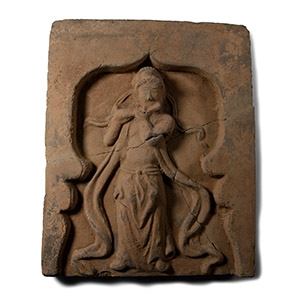
Chinese Song Wall Tile with Flute Player
Song Dynasty, circa 960-1279 A.D.Sold for (Inc. bp): £65
Rectangular in plan displaying a female flautist in relief within an elaborate ogival niche; repaired. 3 kg, 31 x 25 cm
Ex North London collection from 1980s-1990s. Property of a Ruislip, UK, gentleman, by inheritance. -
Chinese Blue Glazed Stem Cup
20th century A.D.Sold for (Inc. bp): £364
Formed with a near hemispherical bowl atop a tapering stem, wisps of cloud of smoke to the bowl base, a sinuous dragon wrapped around the bowl exterior. 274 grams, 12 cm wide
London collection since the 1980s. Property of a Canadian family.
