
Loading, please wait...
LOT 0229
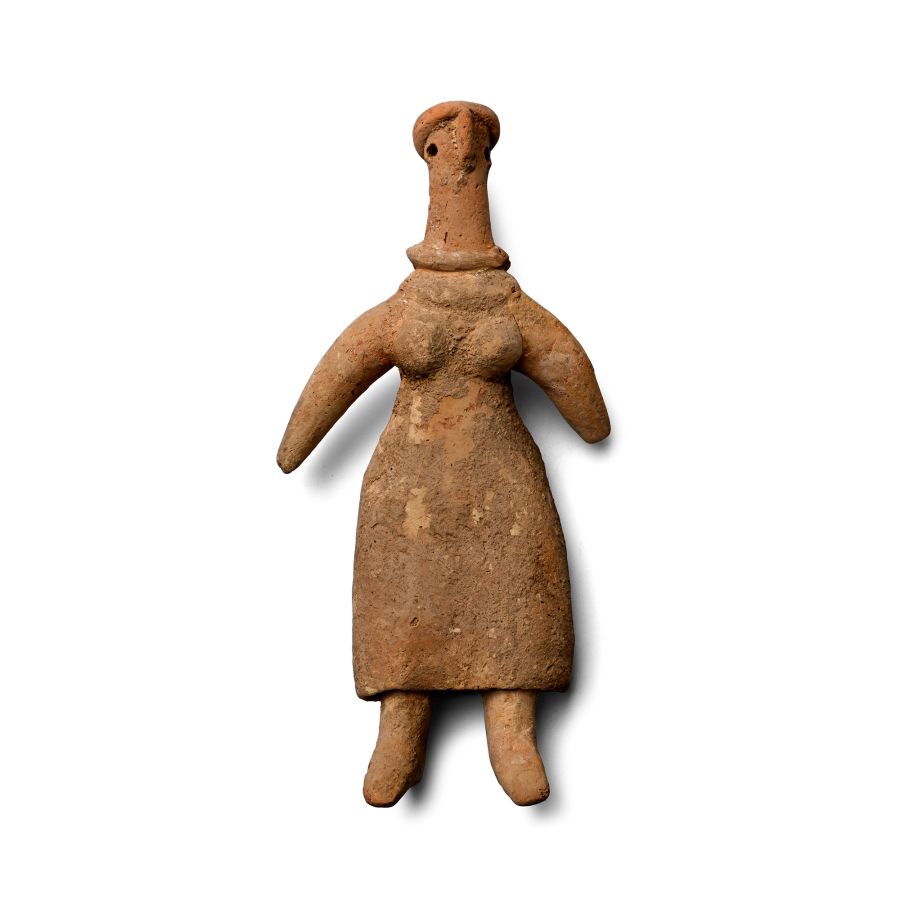
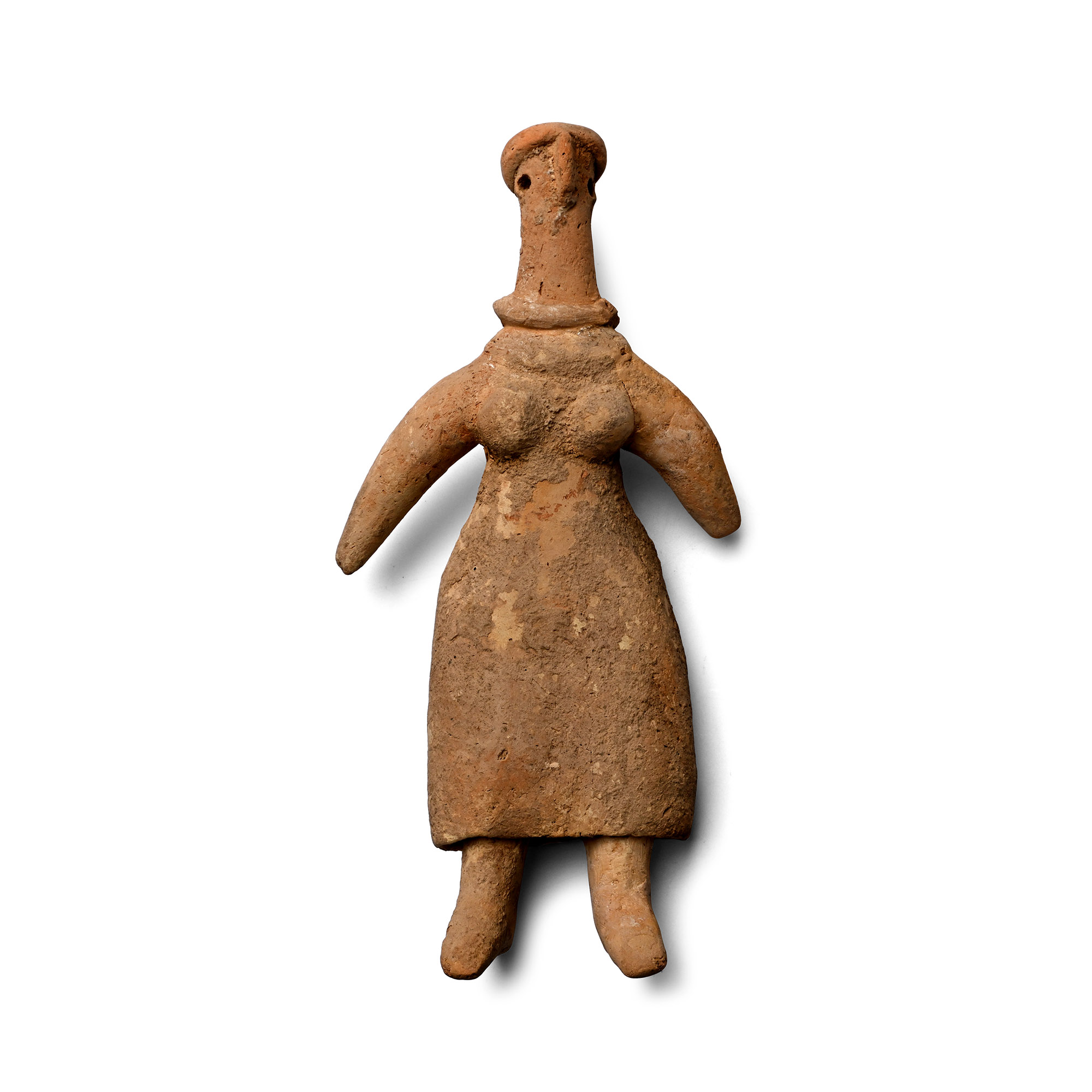
Chalcolithic Terracotta Figure
CIRCA 3RD MILLENNIUM B.C.
6 7/8 in. (173 grams, 17.5 cm high).
Modelled in the round with columnar head and neck, pinched and impressed facial details, applied headdress, collar and calf-length skirt, stub arms. [No Reserve]
ProvenanceFrom the property of the late Mr SM, London, UK, 1969-1999.
From the private collection of John Meredith, acquired since the 1990s; thence by descent.
Accompanied by a thermoluminescence analysis report no.N122k33 from Oxford Authentication.
This lot has been cleared against the Art Loss Register database, and is accompanied by an illustrated lot declaration signed by the Head of the Antiquities Department, Dr Raffaele D'Amato.
TimeLine Auctions follows a vetting process to ensure the authenticity and legality of all items, reinforcing our commitment to integrity and responsible trading. Each antiquity, antique, and coin lot undergoes thorough examination by a vetting committee of at least ten external specialists, professional trade association members, scientists, and archaeologists: Our Vetting Process
AUCTIONS:
TimeLine is a leading auction house specialising in antiquities, ancient art, collectables, natural history, coins, medals, and books. Our auctions offer museums, collectors, historians, and enthusiasts the opportunity to acquire unique and historically significant pieces.
-
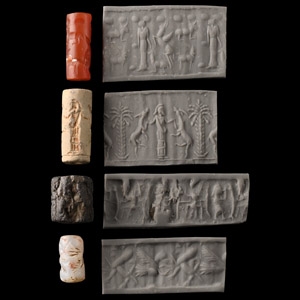
Mesopotamian Stone Cylinder Seal Collection
2nd-1st millennium B.C. and laterSold for (Inc. bp): £390
Comprising four seals in carnelian and other materials, depicting: standing figure in flounced robe holding two ibexes by the foreleg, date-palm in the field; opposed gryphon and perching bird of prey; figure and quadruped in a landscape; standing robed figure with recumbent oxen to each side, rampant gryphon. 15.78 grams total, 16-27 mm
UK private collection before 2000. Acquired on the UK art market. Private collection, London, UK. This lot has been cleared against the Art Loss Register database, and is accompanied by an illustrated lot declaration signed by the Head of the Antiquities Department, Dr Raffaele D'Amato. -
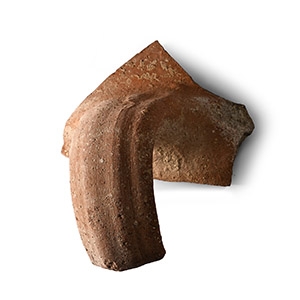
Judaean Terracotta Amphora Handle with Royal Seal Impression
Late 8th-mid 7th century B.C.Sold for (Inc. bp): £260
The handle fragment from a Tufnell type 484 jar, bearing a stamp to the upper handle with the top rays of a winged solar disc and part of the right wing. 163 grams, 11.7 cm
Ex S.M. London collection, UK, 1970-1990s. Accompanied by a description from Peter Gert Van der Veen, senior lecturer of Levantine Archaeology, Johannes Gutenberg-Universität, Mainz. This lot has been cleared against the Art Loss Register database, and is accompanied by an illustrated lot declaration signed by the Head of the Antiquities Department, Dr Raffaele D'Amato. -
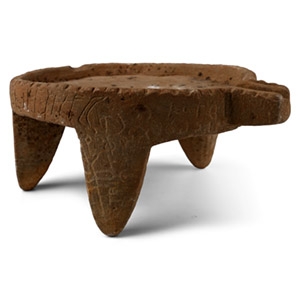
South Arabian Offering Table with Inscription
6th century B.C.Estimate: £2,000 - 3,000 (+bp*)
Opening Bid: £900
With three D-section stub legs and channel with pouring lip; incised Phoenician or proto-Hebrew inscription, in reverse, to the notched rim. 1.47 kg, 21 cm
Private collection, Canada, acquired by descent from the collection of the present owner’s father, formed 1965-1990. Acquired from the above by the current owner, 2020. This lot has been checked against the Interpol Database of stolen works of art and is accompanied by a search certificate number no.12842-240719. This lot has been cleared against the Art Loss Register database, and is accompanied by an illustrated lot declaration signed by the Head of the Antiquities Department, Dr Raffaele D'Amato.
