
Loading, please wait...
LOT 2136
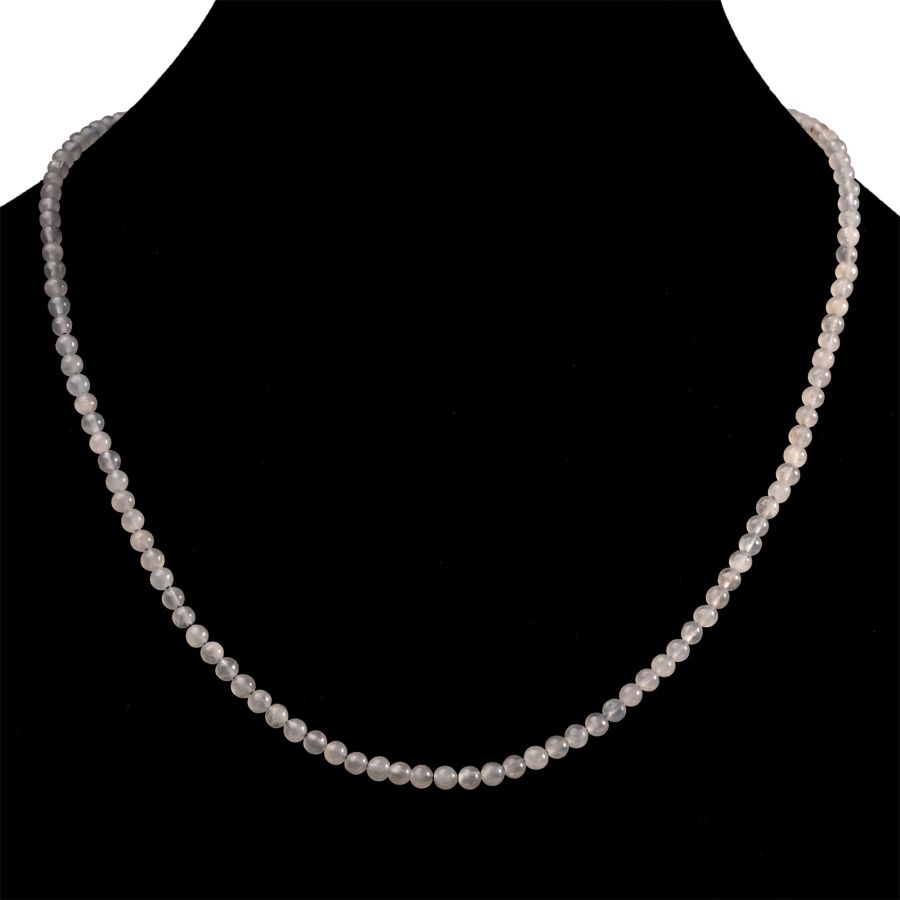
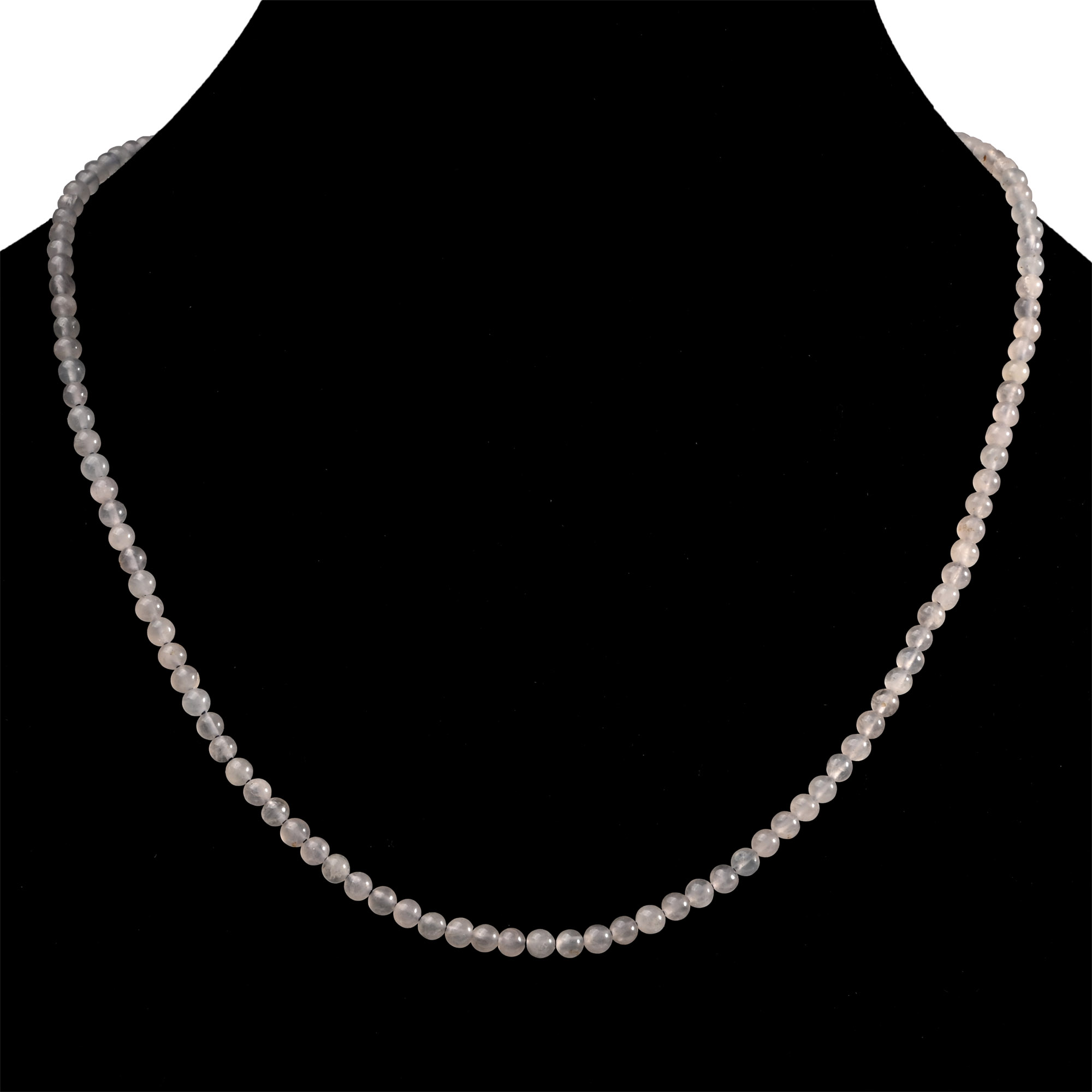
Chalcedony Necklace String
20TH CENTURY A.D.
18 1/8 in. (11.3 grams, 46 cm).
Composed of small spherical beads; restrung. [No Reserve]
ProvenanceFrom the London, UK, art market in the 1990s.
This lot is accompanied by an illustrated lot declaration signed by the Head of the Antiquities Department, Dr Raffaele D'Amato.
TimeLine Auctions follows a vetting process to ensure the authenticity and legality of all items, reinforcing our commitment to integrity and responsible trading. Each antiquity, antique, and coin lot undergoes thorough examination by a vetting committee of at least ten external specialists, professional trade association members, scientists, and archaeologists: Our Vetting Process
AUCTIONS:
TimeLine is a leading auction house specialising in antiquities, ancient art, collectables, natural history, coins, medals, and books. Our auctions offer museums, collectors, historians, and enthusiasts the opportunity to acquire unique and historically significant pieces.
-
Post Medieval Blue Glass Bead Necklace String
20th century A.D.Sold for (Inc. bp): £52
Composed of spherical, melon, and other beads, central feature a facetted biconical bead; restrung. 30 grams, 36.5 cm
From the London, UK, art market in the 1990s. This lot is accompanied by an illustrated lot declaration signed by the Head of the Antiquities Department, Dr Raffaele D'Amato. -
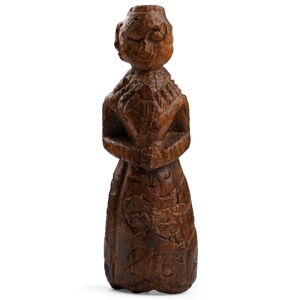
Tudor Wooden Child's Doll
16th-17th century A.D.Sold for (Inc. bp): £286
D-shaped in section, carved in the round with stylised dress and shawl. 160 grams, 18 cm
Property of a gentleman; acquired in the 1970s. This lot is accompanied by an illustrated lot declaration signed by the Head of the Antiquities Department, Dr Raffaele D'Amato. -
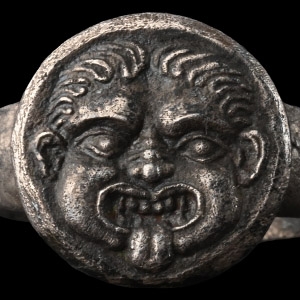
Roman Style Silver Ring with Gorgon
20th century A.D.Sold for (Inc. bp): £143
Round-section hoop, discoid bezel with low-relief gorgoneion motif. 12.29 grams, 24.52 mm overall, 17.80 mm internal diameter (approximate size British P, USA 7 1/2, Europe 16, Japan 15)
Private collection of a North London lady before 2000. Property of a London, UK, gentleman. This lot is accompanied by an illustrated lot declaration signed by the Head of the Antiquities Department, Dr Raffaele D'Amato.
