
Loading, please wait...
LOT 2024
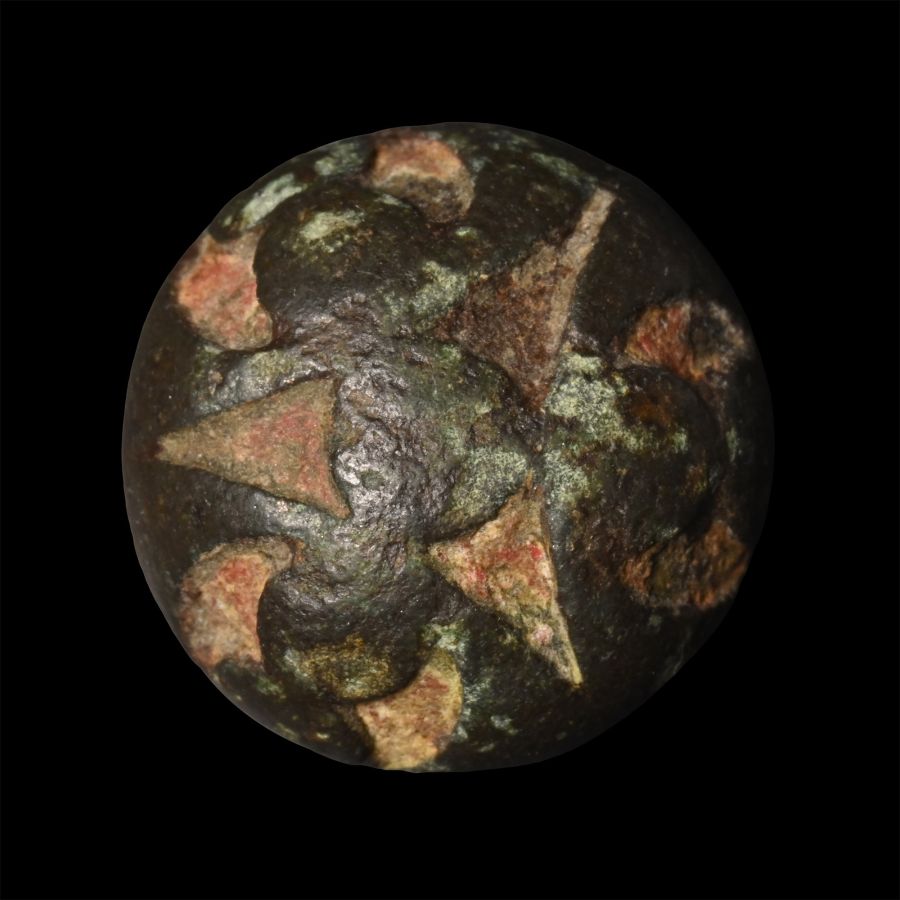
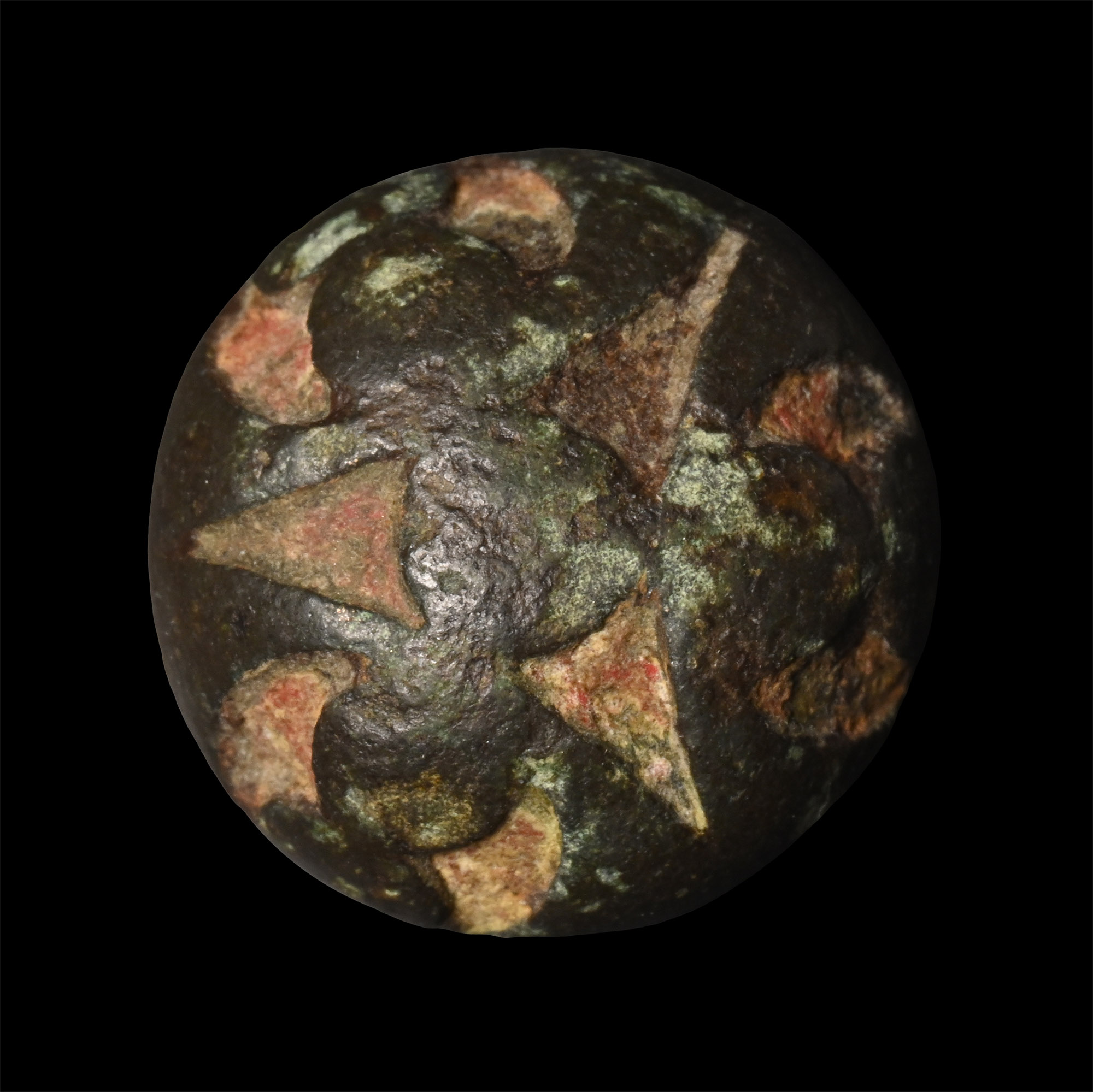
Celtic Enamelled Bronze Mount
IRON AGE, CIRCA 1ST CENTURY B.C.-1ST CENTURY A.D.
3/8 in. (5.93 grams, 16.9 mm).
Domed upper face and a concave underside, the upper face with triangular and crescentic cells to accept enamel. [No Reserve]
ProvenanceFrom the private collection of a European gentleman (1942-2024), formed since the 1970s.
CONDITIONTimeLine Auctions follows a vetting process to ensure the authenticity and legality of all items, reinforcing our commitment to integrity and responsible trading. Each antiquity, antique, and coin lot undergoes thorough examination by a vetting committee of at least ten external specialists, professional trade association members, scientists, and archaeologists: Our Vetting Process
AUCTIONS:
TimeLine is a leading auction house specialising in antiquities, ancient art, collectables, natural history, coins, medals, and books. Our auctions offer museums, collectors, historians, and enthusiasts the opportunity to acquire unique and historically significant pieces.
-
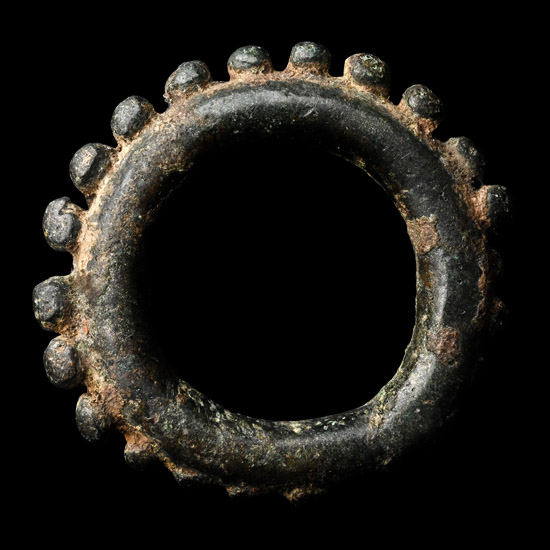
Celtic Bronze Decorated Ring Money
Iron Age, 1st century B.C.-1st century A.D.Sold for (Inc. bp): £98
Annular in form with radiating knops to the equator. 14.30 grams, 36 mm
From the private collection of a European gentleman (1942-2024), formed since the 1970s. -
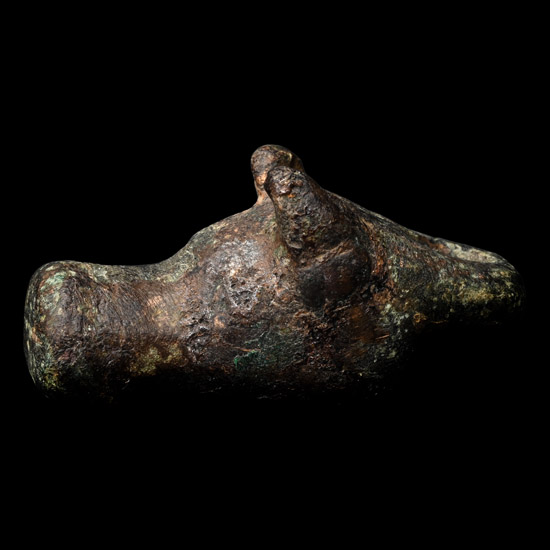
Celtic Bronze Bull's Head Pendant
Iron Age, 1st century B.C.-1st century A.D.Sold for (Inc. bp): £33
With shallow recess to underside, loop to rear. 20.8 grams, 31.95 mm
From the private collection of a European gentleman (1942-2024), formed since the 1970s. -
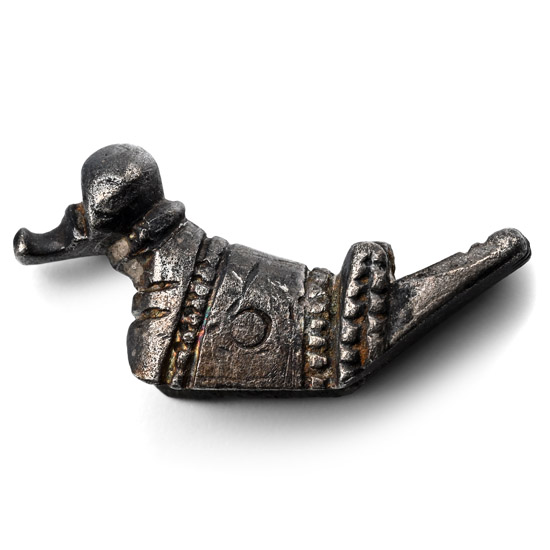
Celtic Silver Duck Mount
Iron Age, 2nd century B.C.-1st century A.D.Sold for (Inc. bp): £98
Modelled in the round in a resting pose with faux-rope and annulet detailing. 2.6 grams, 20 mm
From the private collection of a European gentleman (1942-2024), formed since the 1970s.
