
Loading, please wait...
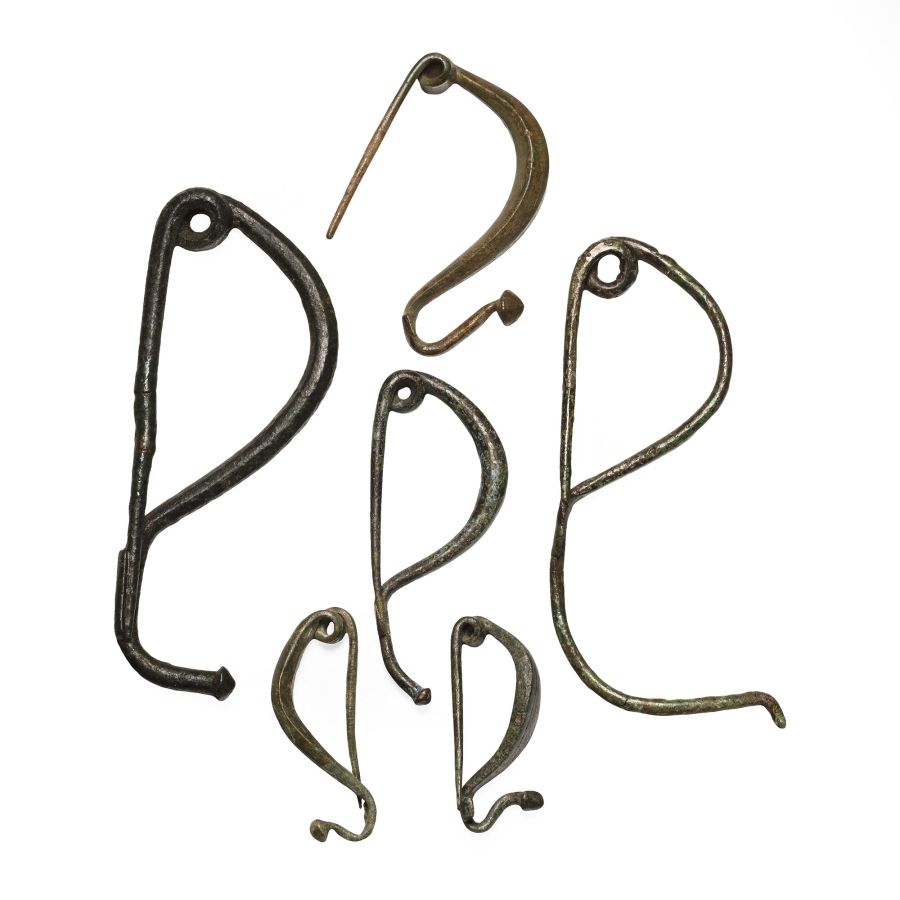
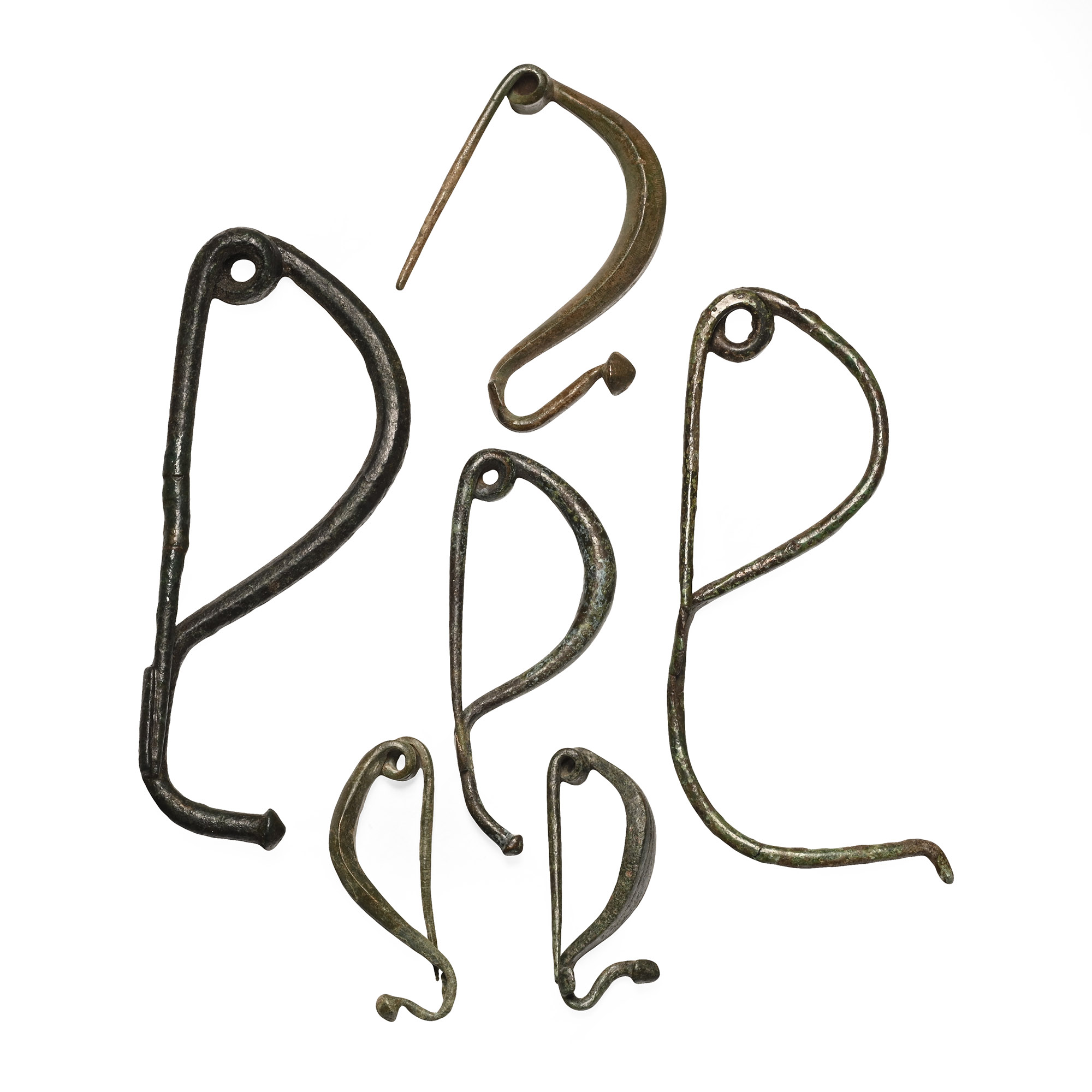
LOT 1688
Celtic Bronze La Tène Bow Brooch Collection
IRON AGE, 2ND CENTURY B.C.-1ST CENTURY A.D.
1 - 2 1/2 in. (26.9 grams total, 27-64 mm).
Each with round-section bow, slender pin with coiled spring, some with knob finial and catch. [6, No Reserve]
ProvenanceEx property of an Essex, UK, gentleman collector.
From the private collection of a Colchester, UK, gentleman.
TimeLine Auctions follows a vetting process to ensure the authenticity and legality of all items, reinforcing our commitment to integrity and responsible trading. Each antiquity, antique, and coin lot undergoes thorough examination by a vetting committee of at least ten external specialists, professional trade association members, scientists, and archaeologists: Our Vetting Process
AUCTIONS:
TimeLine is a leading auction house specialising in antiquities, ancient art, collectables, natural history, coins, medals, and books. Our auctions offer museums, collectors, historians, and enthusiasts the opportunity to acquire unique and historically significant pieces.
-
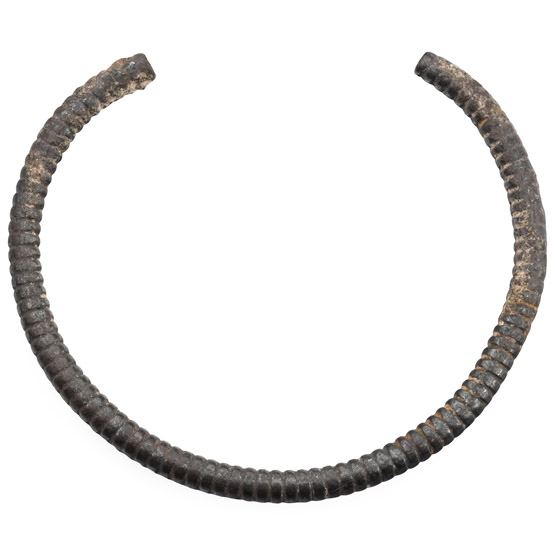
Romano-Celtic Silver Ribbed Bracelet
1st century B.C.-1st century A.D.Sold for (Inc. bp): £65
Penannular with ribbed round-section shank. 11.57 grams, 57 mm
Ex German art market, 2000s. Acquired from an EU collector living in London. From the collection of a Surrey, UK, gentleman. -
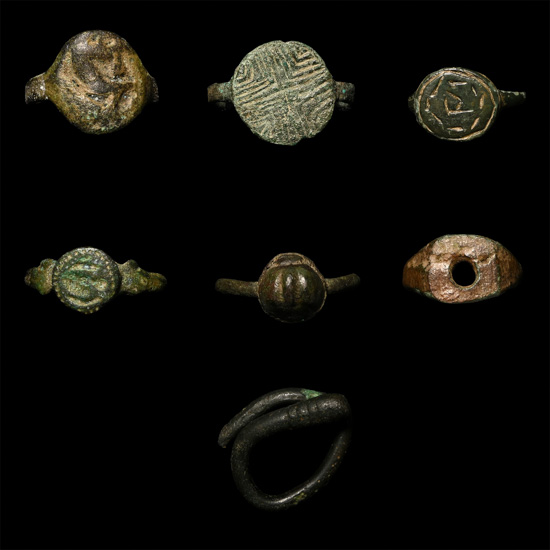
Celtic to Medieval Bronze Ring Collection
1st century B.C.-16th century A.D.Sold for (Inc. bp): £156
Comprising: five rings with decorative bezels; a penannular ring; an unfinished ring with a circular hole in the bezel. 24.4 grams total, 20-26 mm
Acquired on the UK and EU art market before 2000. From the private collection of a Surrey, UK, gentleman.
Among the group is one complete copper-alloy finger ring of late Iron Age to Roman date (200 B.C - 200 A.D.). It is coiled into a spiral of two and a half turns. Both ends terminated in a square end with rounded corners. -
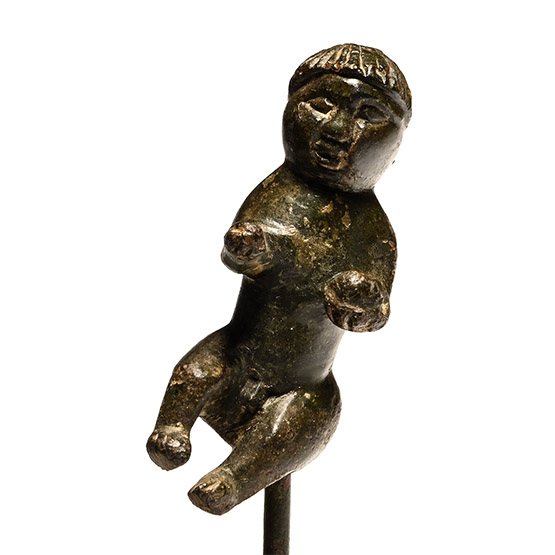
'The Cox Green' Romano-British Bronze Naked Figure of a Child
1st-3rd century A.D.Sold for (Inc. bp): £845
Modelled in the round in seated pose with a ball (or nut, or fruit) in his left hand; the hair short and combed radially from the crown; mounted on a custom-made stand. 57.3 grams, 78 mm
Found Cox Green, Windsor and Maidenhead, UK, on Sunday 1st September 2019. Accompanied by a copy of the British Museum's Portable Antiquities Scheme (PAS) report no.BERK-3D408B.
